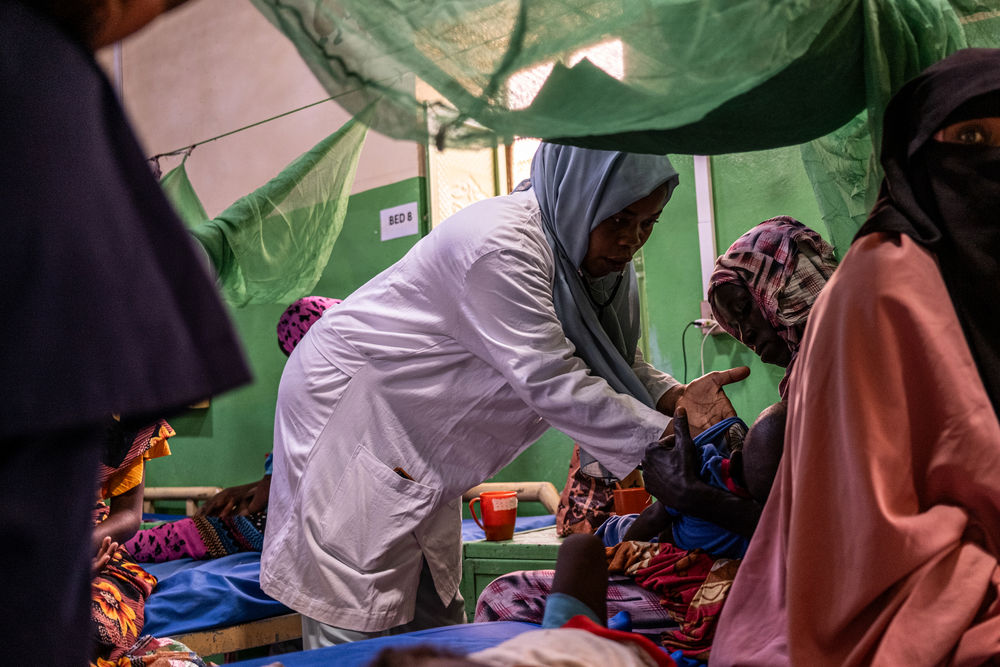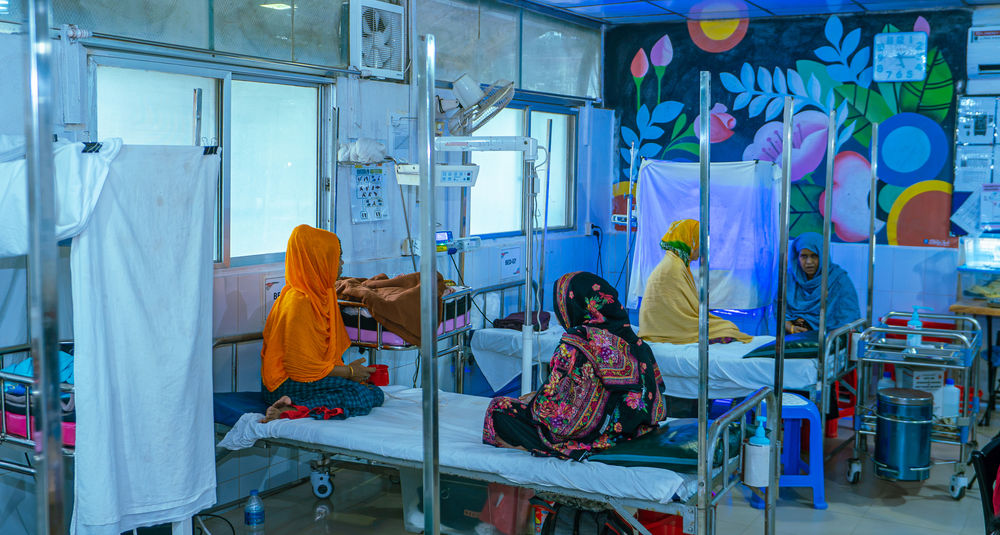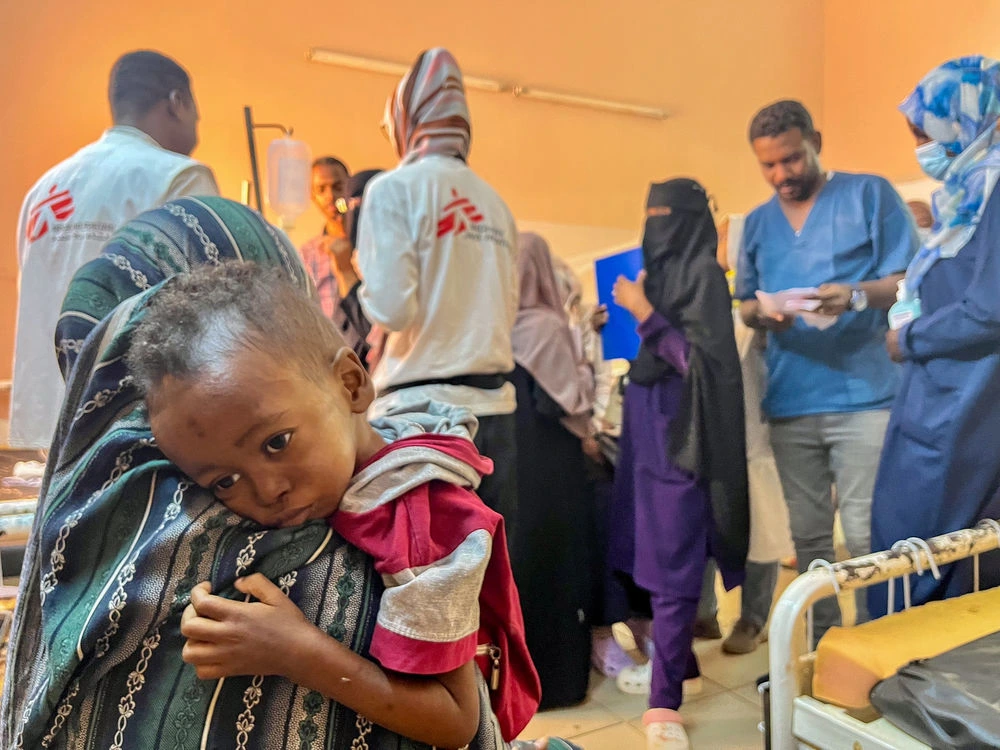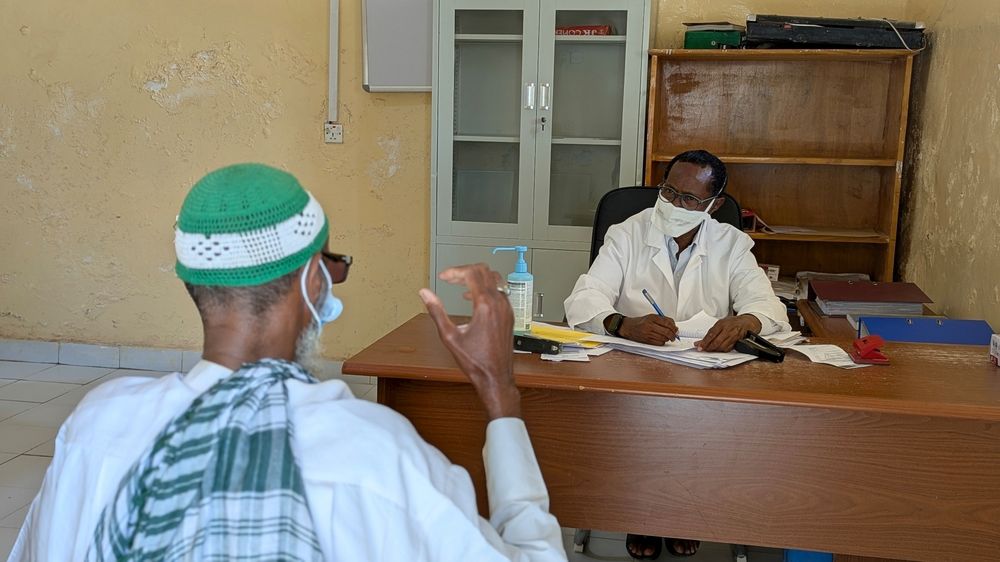

Extreme funding cuts and policy changes by the United States and other traditional donor countries are shrinking the resources available to respond to global health and humanitarian needs. In turn, this is deepening the neglect of millions of people affected by malnutrition, preventable and treatable diseases, conflict, forced displacement, and climate change. Programmes focusing on the needs of women and girls have also been particularly affected. Our teams are witnessing shortages of therapeutic food, disruptions in the supply of vaccines, suspensions of sexual and reproductive health programmes, and lack of access to treatment for HIV, tuberculosis, and malaria.
We are seeing fewer aid organisations, with less capacity, responding to humanitarian emergencies, outbreaks of infectious diseases, and displacement crises. Meanwhile, ministries of health are losing access to critical supplies and technical support. MSF is not directly financially impacted by government – including US government – or UN funding cuts. But our teams are dealing with the consequent supply shortages, higher costs, gaps in patient referrals and coordination, and rising patient numbers that come from other agencies’ cuts and closures, which place increased pressure on MSF services in several countries, including in Afghanistan, Bangladesh, Nigeria, Ethiopia, Somalia, and the Democratic Republic of Congo.