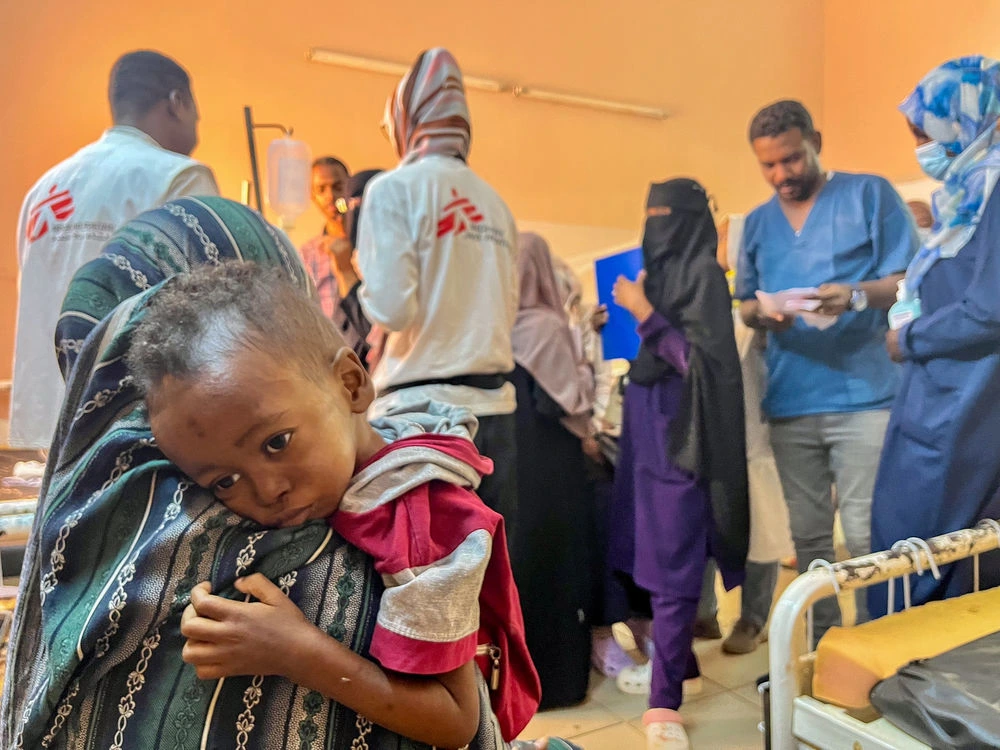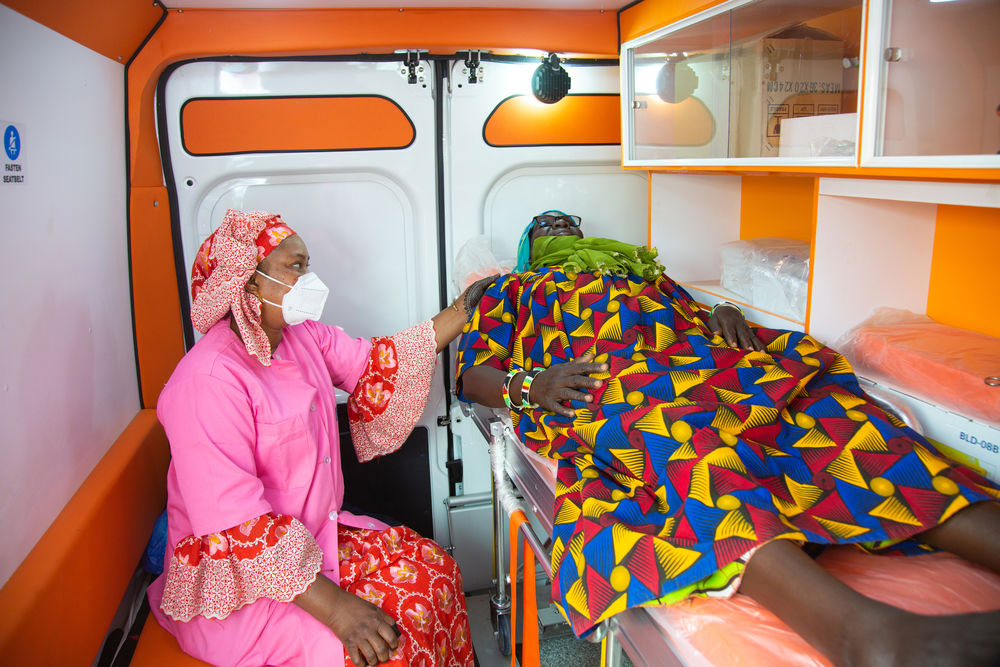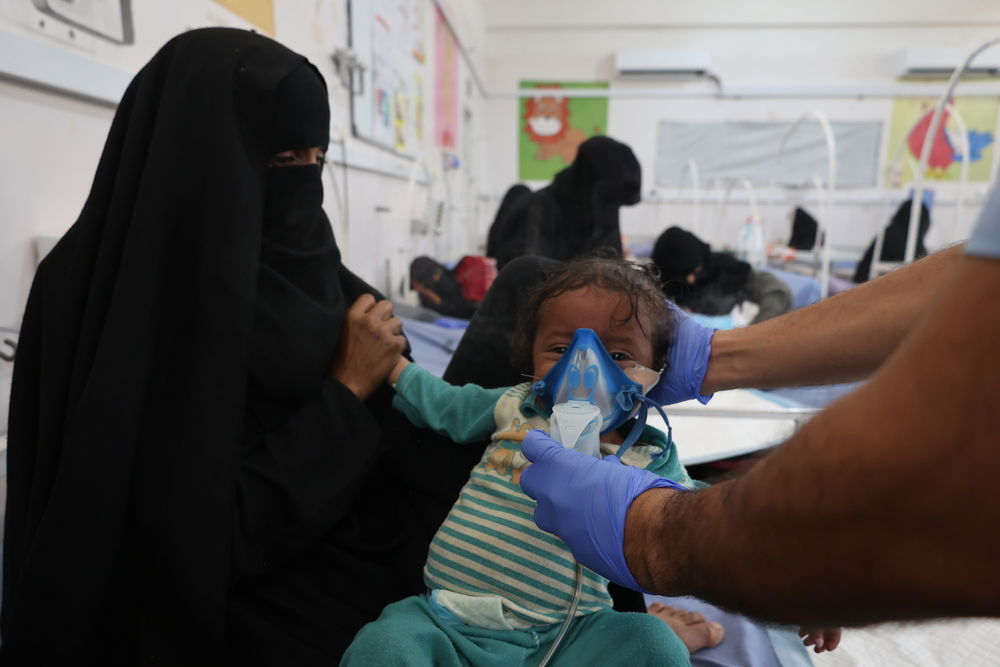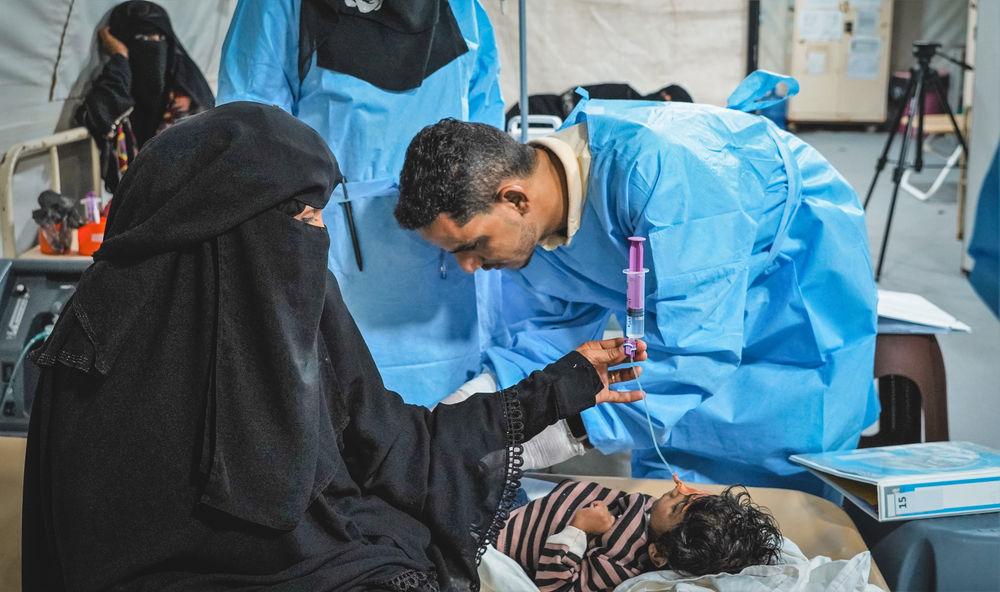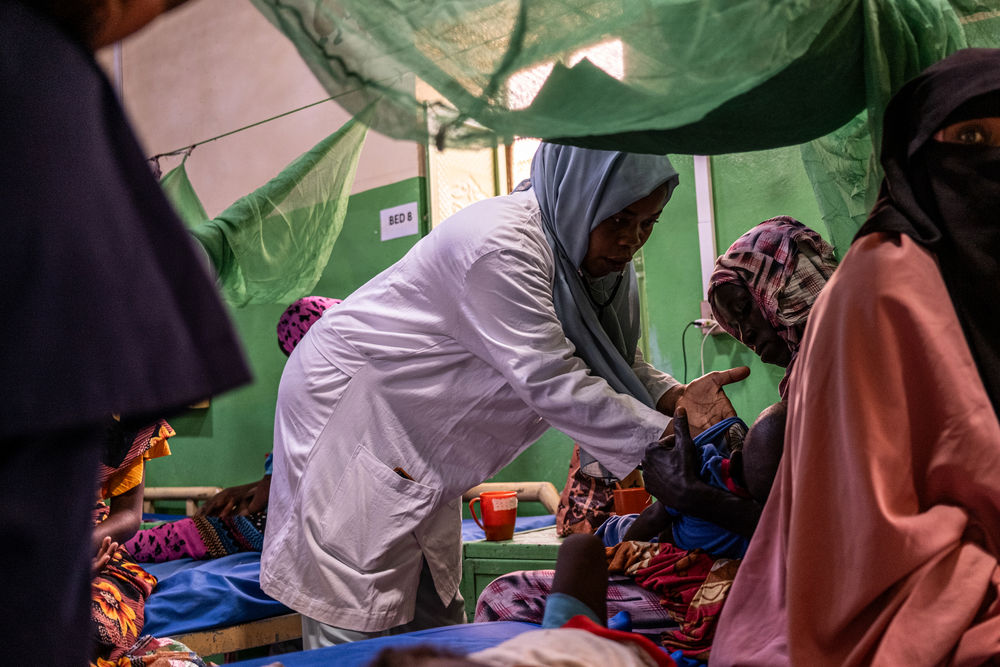

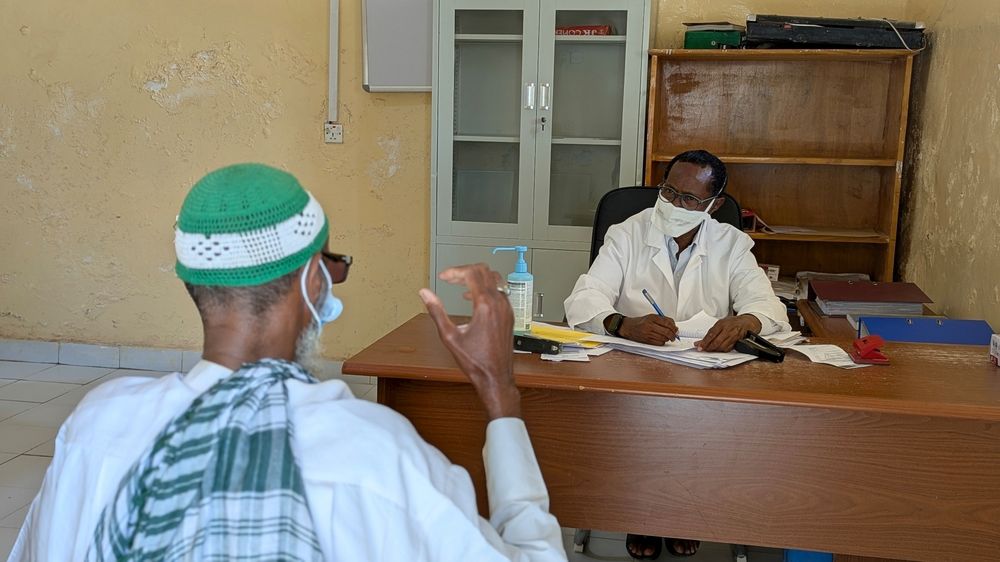
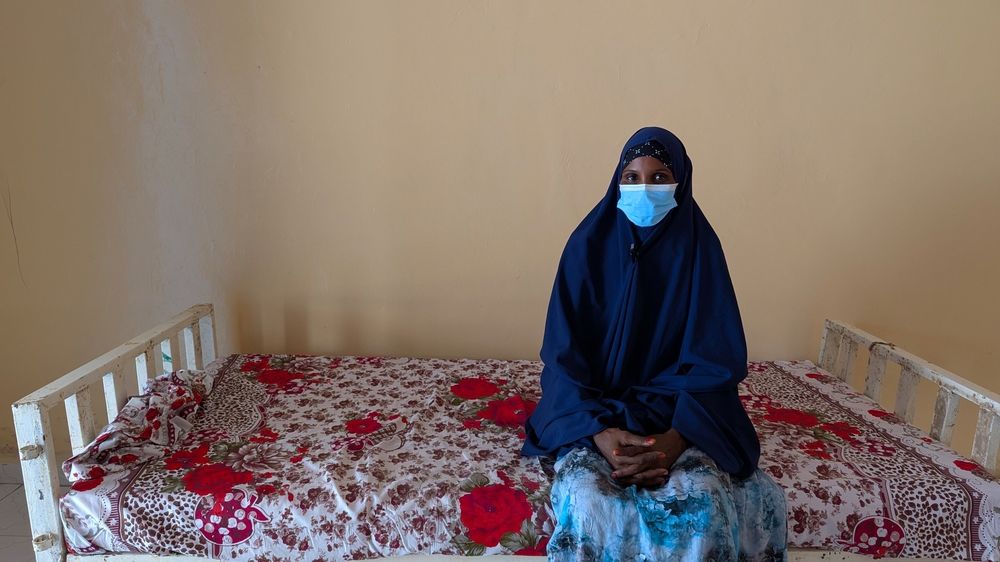
Faadumo* sits on the bed in the tuberculosis department of Mudug Regional Hospital in Galkayo; her hands clasped in her lap. It is late afternoon. She has not eaten since the previous day. When the nurse passes her the tablets, she hesitates for a moment, then swallows them with the water. There is nothing else to take them with.
Faadumo* is twenty-eight, from Harardhere, several hours from Galkayo. She travelled through the night, spending thirty dollars on transport she could barely afford, after three months of worsening cough, rib pain, fever, and weight loss. By the time she decided to make the journey, her family's livestock had already died due to drought, leaving them with almost no income.
We are asking people like Faadumo* to complete a full course of tuberculosis treatment while their bodies are running on almost nothing. You cannot fight an infection when your body has no fuel. For a tuberculosis patient, food is not a luxury; it is part of the treatment.
Dr. Jarmilla Kliescikova, Medical Coordinator for Médecins Sans Frontières in Somalia
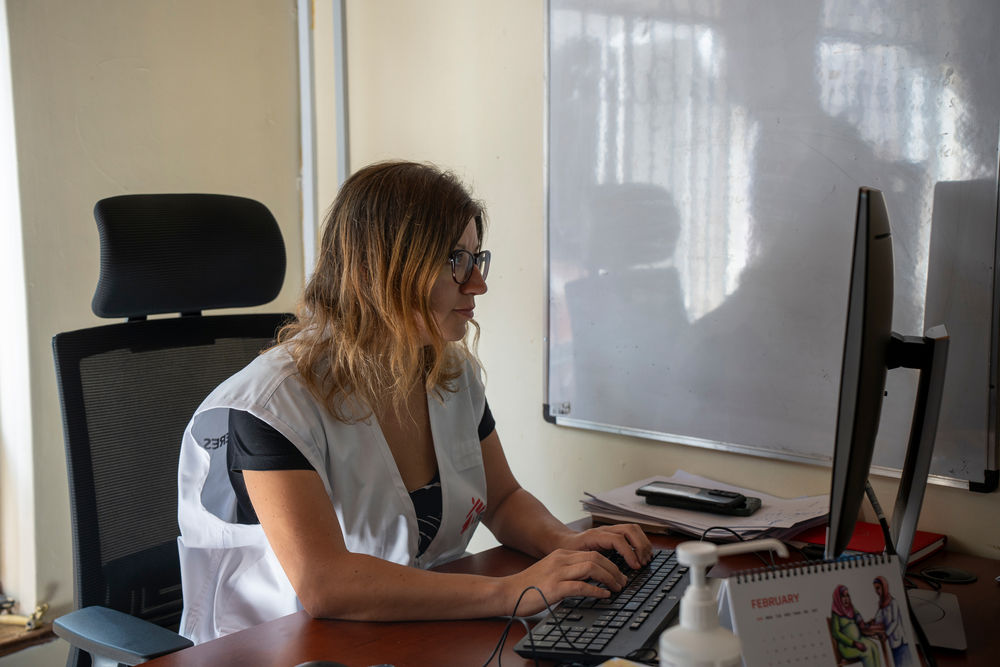
Tuberculosis remains a severe public health threat in Somalia, including in central Mudug, where years of drought, conflict and displacement have damaged pastoral livelihoods. More than seventy percent of households depend on rain-fed pastoralism, and when water points fail and herds shrink, families lose both income and food.
Food insecurity has reached critical levels. Nearly half of Somali households cannot afford a nutrient-adequate diet, and 1.85 million children aged six to fifty-nine months are projected to suffer acute malnutrition between August 2025 and July 2026. Recent reporting also points to 6.5 million people across Somalia facing high levels of hunger.
For people like Faadumo*, this is not a separate crisis running alongside tuberculosis. It is part of the same story. Malnutrition weakens immune systems, raising the risk of developing tuberculosis when exposed to TB pathogens and worsening outcomes for people already sick. It also increases the risk that latent tuberculosis infection, often described as sleeping tuberculosis, progresses into active disease when the body can no longer keep it under control.
What we are seeing now is a dangerous combination of various negative circumstances. Hunger is not just increasing in the number of cases. It can also make treatment less effective and can lead to an increase in the number of drug-resistant tuberculosis cases." This can mean requiring drugs with more severe side effects and, in the worst cases, leaving patients with very few treatment options.
Dr. Kliescikova
Tuberculosis medicines are demanding. Some tablets need to be taken on an empty stomach for proper absorption, while others are safer and more effective when taken with a small snack to reduce side effects and improve absorption. In Mudug, many patients simply do not have that choice.
Severe funding shortfalls have slashed food assistance in Somalia. The number of people receiving emergency food aid dropped from 2.2 million in 2024 to 350,000 by late 2025. With rations reduced to a fraction of what families need, many households survive on one meagre meal a day.
Patients tell us they skip doses because the side effects are unbearable when they have not eaten. Others vomit the tablets and are too discouraged to try again. Every missed dose increases the risk of treatment failure and that the bacteria will become resistant to the drugs.
Dr. Kliescikova
There is currently no sustained food assistance for tuberculosis patients in Mudug. MSF teams manage severe malnutrition with small quantities of peanut-based paste for some patients, but there is no regular food ration that matches the length and intensity of tuberculosis treatment. When hunger forces patients to choose between enduring side effects, travelling for care, and feeding their children, adherence becomes harder, and the risk of treatment failure increases.
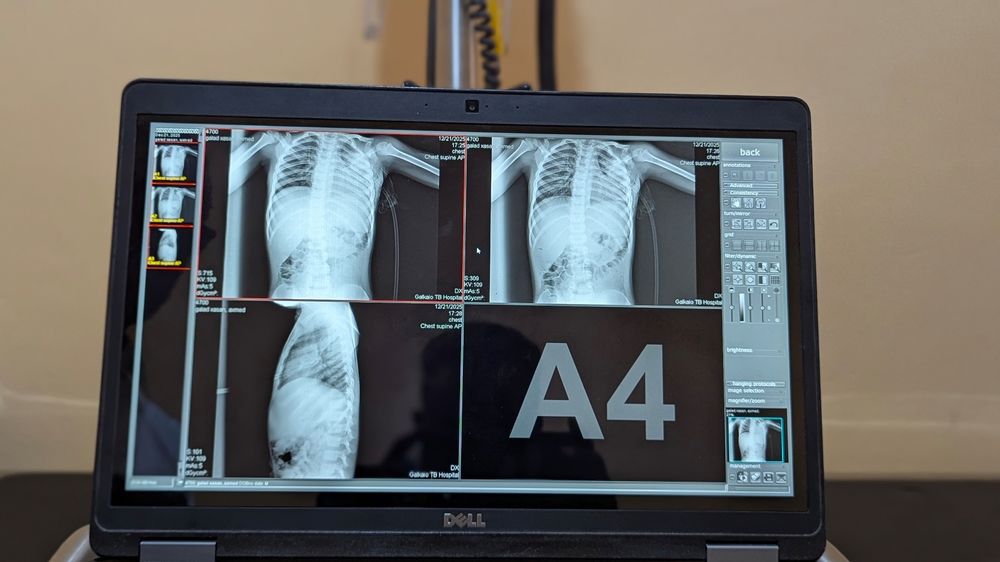
MSF has been caring for tuberculosis patients in Mudug since the early 2000s. Teams in Galkayo support Mudug Regional Hospital with tuberculosis and drug-resistant tuberculosis treatment and run mobile clinics to reach displaced communities for diagnosis and referrals.
Between 2023 and 2025, MSF treated 1,160 tuberculosis patients in Galkayo, and around 924 completed treatments successfully, an overall treatment success rate of about 80 percent. Those numbers reflect what is possible when patients can start treatment and stay on it.
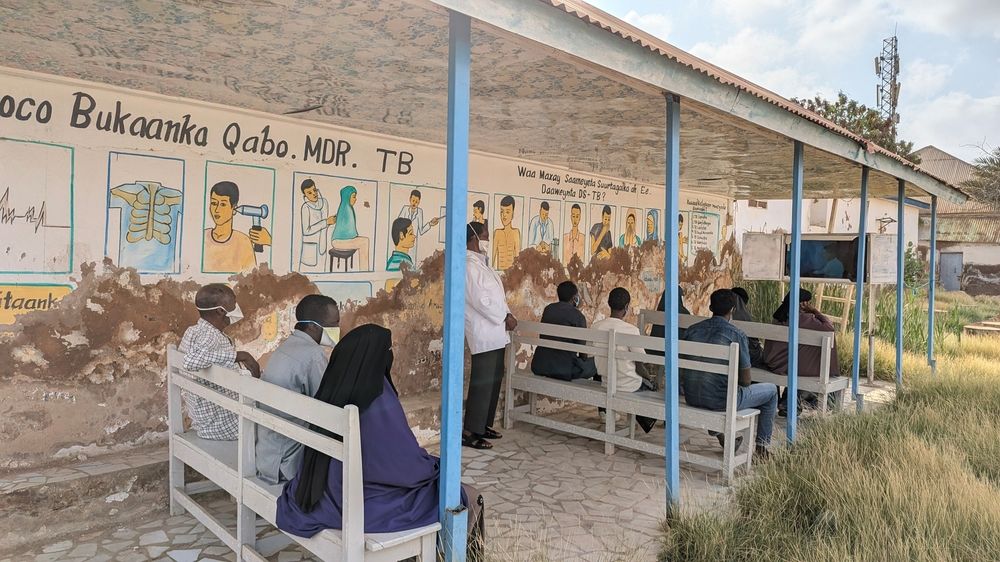
But access remains fragile, especially for drug-resistant tuberculosis. Treatment initiation is limited to a small number of approved facilities, forcing patients to travel long distances, sometimes for days, to reach care in Mudug. That distance also makes contact tracing and family screening far more difficult, even though early detection and preventive care are essential to reduce transmission and avoid more severe illness.
"The people who reach us are those who manage to find the money, time and security to travel," says Dr. Kliescikova. "We know many others never make it. They are diagnosed late or not at all."
For MSF teams in Mudug, the experience of patients like Faadumo* makes one point unavoidable. Food is a medical prerequisite for tuberculosis treatment, not a humanitarian extra. Without adequate nutrition, side effects increase; absorption can drop, adherence falters, and the risk of drug resistance rises.
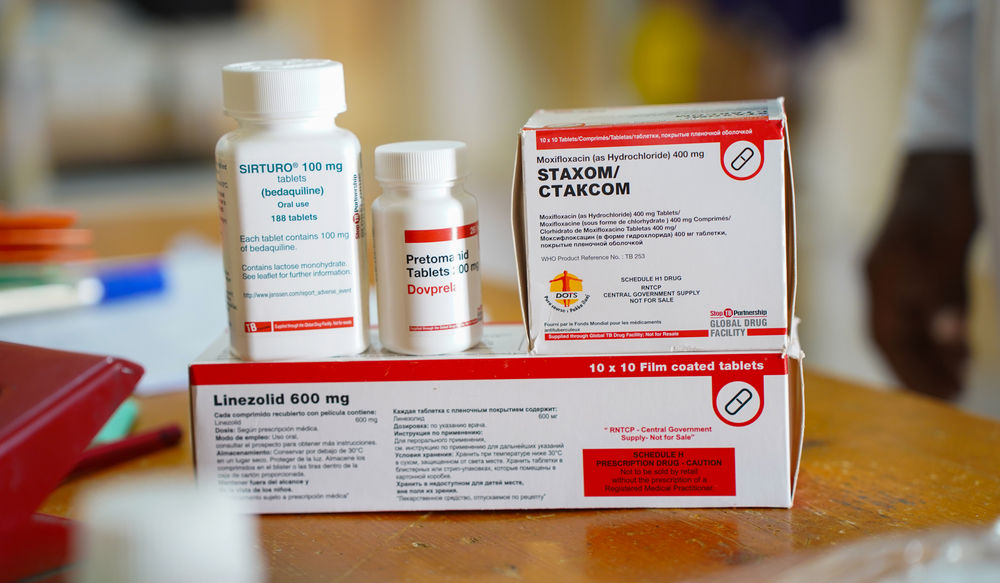
Donors and authorities must urgently restore food assistance and ensure that people with tuberculosis are included. This also means humanitarian organizations and health actors integrating nutritional support into tuberculosis care for the full duration of treatment and strengthening the capacity to diagnose and initiate drug-resistant tuberculosis closer to where people live, so that starting care does not depend on a journey that many cannot afford.
Dr. Kliescikova
Back in the tuberculosis department, Faadumo* leans back in the chair and closes her eyes, waiting to see whether the tablets will stay down. Her treatment will last at least six months. Without enough food, every dose will be a test of endurance, and for too many patients across Mudug. The difference between cure and failure will not be the medicine itself, but whether they have something to eat.
*Name changed for privacy.