
After years of providing medical and psychological care to people in transit, Médecins Sans Frontières (MSF) has concluded its migrant-focused projects in Panama, southern cities in Honduras and the northern cities in Mexico. This decision reflects a regional shift in humanitarian response, as migration flows have dropped significantly due to increasingly restrictive policies. MSF will now redirect its resources to areas with greater medical and humanitarian needs, including but not limited to areas where stranded migrants stay temporarily or move to.
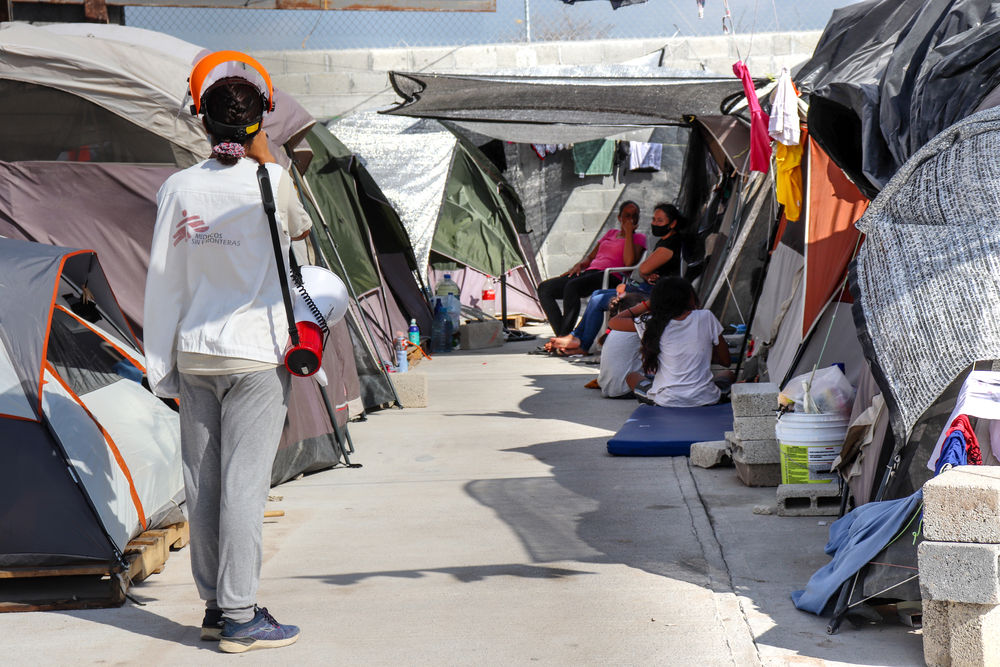
MSF launched its northeast border project in Reynosa and Matamoros in 2017 in response to the urgent physical and mental health needs of migrants who were stranded while seeking safety and a better life. These needs steamed from restrictive and discriminatory migration policies in the United States and Mexico, widespread violence, and the limited capacity of local authorities to manage large-scale arrivals in border cities. In 2021, MSF expanded to several locations in Panama after hearing from patients in Mexico about the extreme dangers of crossing the Darién Gap, and to the El Paraíso department of Honduras which was also saw a huge influx of people of the move. The Panama project focused on providing medical and psychological care to migrants in transit to North America, and that in Honduras even had elements of health promotion and social work added to address the diverse needs in the migrant population.
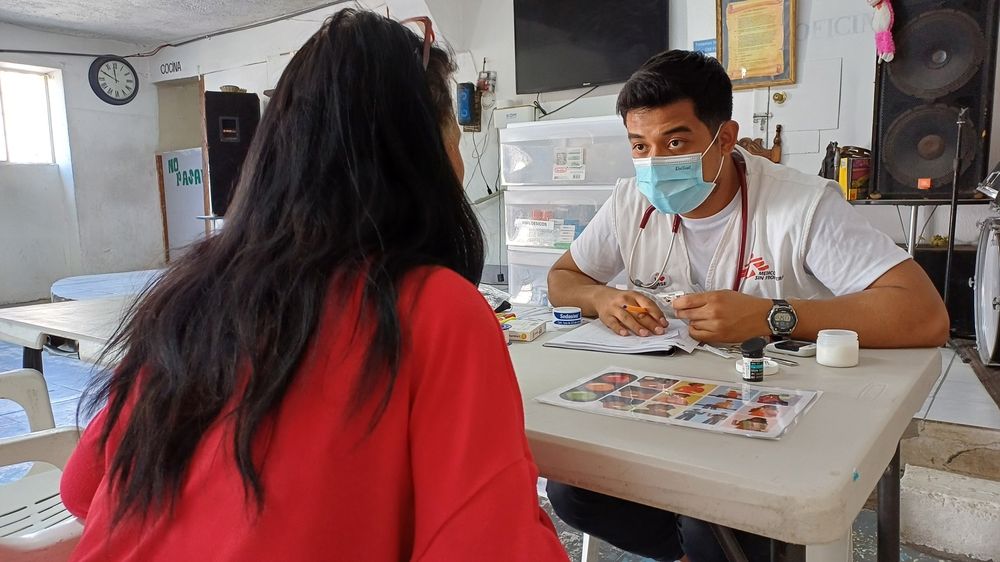
Over these years we have cared for thousands of people exposed to extreme risks such as kidnapping, torture, sexual violence and dispossession, and we have accompanied their resilience in a deeply hostile environment.
Cristina Romero, MSF medical activities coordinator in Reynosa, Mexico
We heard heartbreaking testimonies such as, 'If you leave me here any longer, I'm going to kill myself' and 'Going back to my country means certain death'. Several people had been threatened in their home countries because of their sexual orientation or political ideology. They lived in fear, despair and uncertainty about the future. The situation also overwhelmed the immigration agents, who were deeply affected.
Derly Sánchez, MSF’s mental health coordinator
We witnessed throughout these moments the multiple medical and humanitarian needs that migrants faced and continue to face. As MSF, our mission is to provide a prompt response where the needs are greatest; so, we worked to reduce the main physical and emotional consequences of the harsh journey.
Jorge Castro Armijo, MSF project coordinator in Danlí, Honduras
MSF has operated the projects in Mexico following a comprehensive care model combining medical services, mental health, sexual and reproductive health, social work and intercultural mediation. During the COVID-19 pandemic, MSF adapted its activities to also respond to the needs of the local population. Over the years, the project has provided 67,000 primary health consultations, 13,000 individual psychological sessions, 3,700 group sessions, and 3,700 family planning consultations. MSF also treated 394 survivors of sexual violence, conducted 40,000 health promotion activities reaching 127,000 people, and provided specialised care to 474 individuals through WHO’s Mental Health Gap Action Programme (mhGAP). In addition to direct assistance, MSF carried out public and political advocacy work, documenting and denouncing the conditions of violence, abuse and neglect at the border.
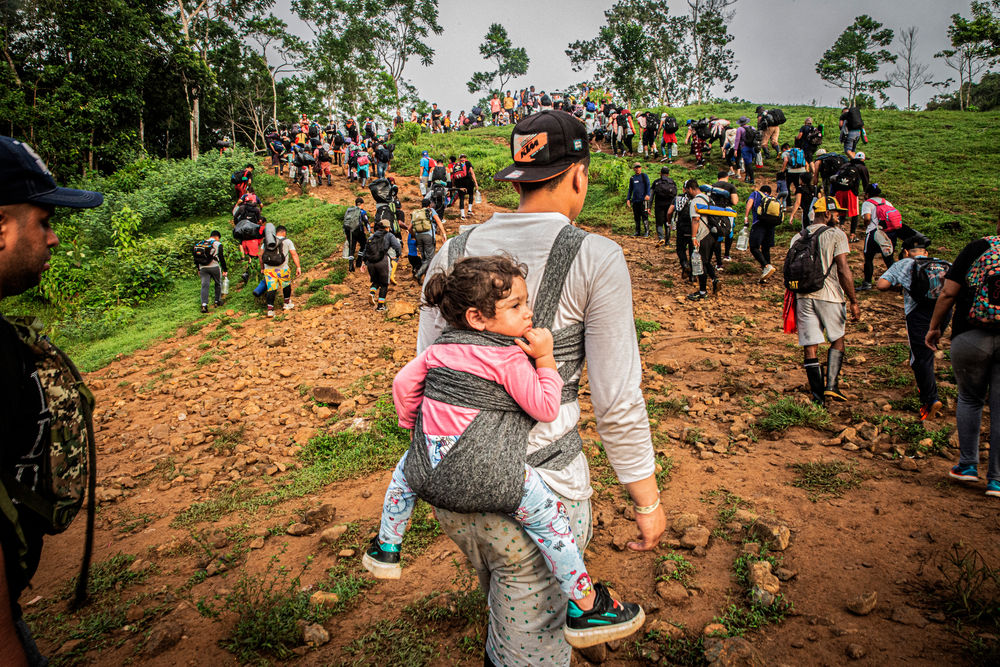
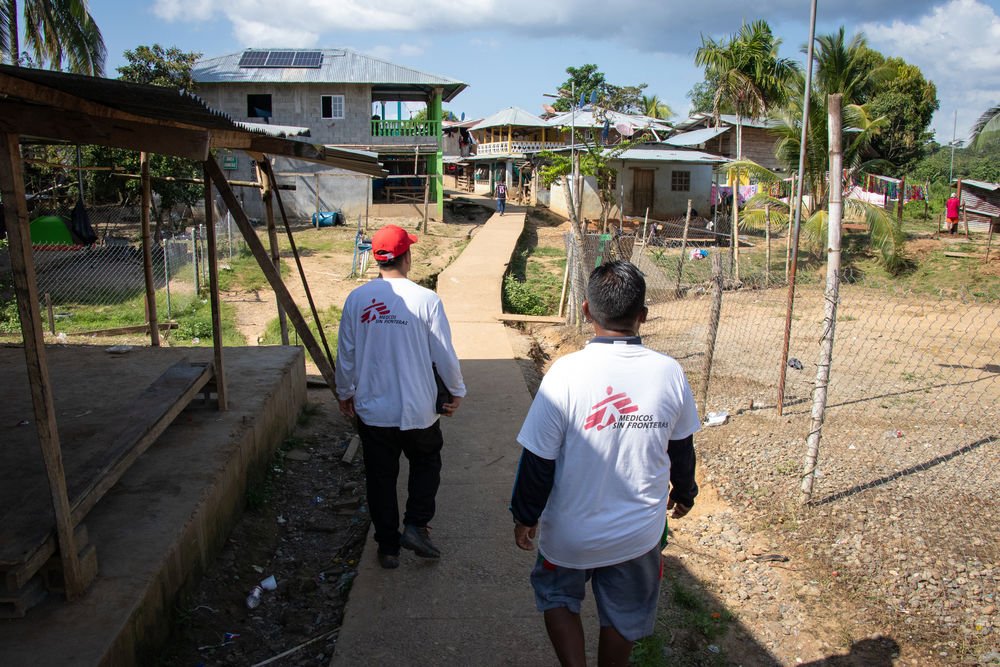
In Panama, MSF teams have adapted their location and response to changes in routes and decisions made by the authorities regarding the migration crisis. MSF alternated its presence between the two indigenous host communities, and the two Temporary Migration Reception Stations established by the Panamanian government, and in 2025 launched an emergency response in Colón province to support migrants in reverse flow. Since its launch, the project has delivered 163,000 medical consultations, 8,100 mental health sessions, and treated 1,955 survivors of sexual violence.
I remember a young man who had been tortured and robbed in the jungle. He told me, ‘I thought I was going to die there. But when I saw the MSF team, I felt hope again.
a psychologist in Colón
In Honduras, MSF mainly worked in the municipalities of Danlí, Trojes and Las Manos of El Paraíso department to support migrants. They are on the border with Nicaragua and became the epicentre for people on the move. The teams provided basic healthcare consultations to 58,045 people suffering from illnesses such as respiratory infections, gastrointestinal diseases and skin problems, conducted 2,022 mental health consultations and treated 878 cases of sexual violence in since the start of the migrant support project.

As migration dynamics across the region continued to shift, MSF’s operations in As migration dynamics across the region continued to shift, MSF’s operations in the three countries faced growing challenges. Changes in migration policies and enforcement measures significantly altered the movement of people, leading to a sharp decline in the number of migrants in urgent need of humanitarian assistance.
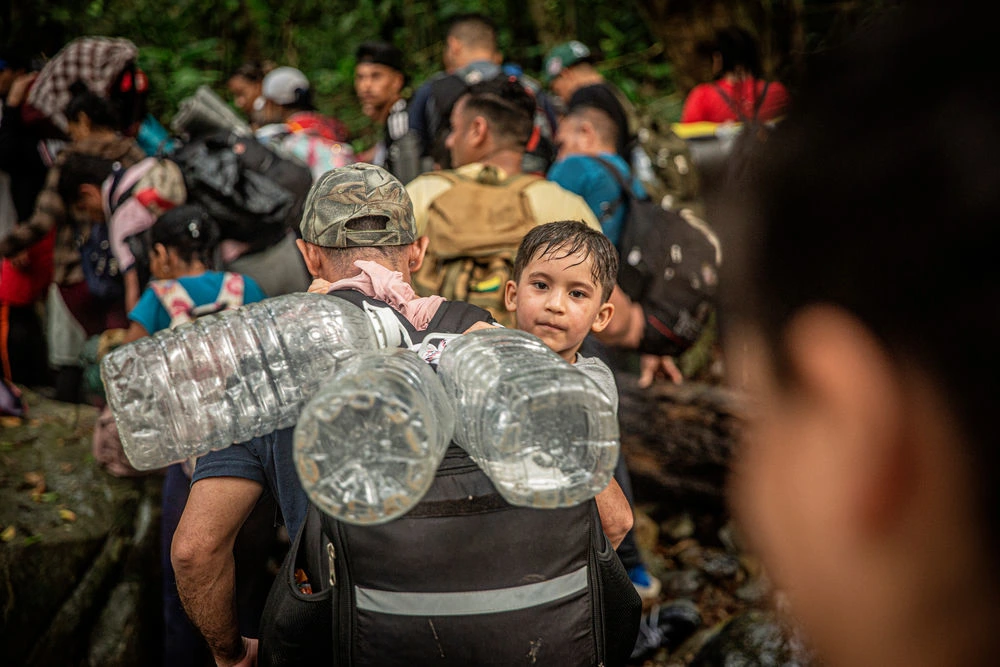
In particular, increasingly restrictive policies implemented by the United States and regional governments, including the “Remain in Mexico” program (MPP), Title 42, the suspension of the CBP One application, and the rollback of asylum and refugee protections have drastically reduced migration flows. By 2025, the number of people crossing the Darién had dropped significantly, with similar trends observed in northern Mexico and southern Honduras. Migration through the Darién—a treacherous jungle route between Colombia and Panama reached historic highs between 2022 and 2024. However, by mid-2024, the flow began to decline due to increased border enforcement and political instability in countries like Venezuela, or in reverse flow heading back south after failed attempts to reach the U.S. The tightening of migration policies, coupled with the reduction of aid, has left hundreds of thousands of migrants stranded or unable to leave vulnerable conditions in their countries.
Although this marks the end of a chapter, it is not the end of MSF’s commitment. MSF continue to monitor migration trends and humanitarian needs across the region. Our teams remain active in other parts of Mexico, providing medical and psychological care to migrants and displaced people who remain stranded in vulnerable conditions. MSF maintains its presence at the border in Ciudad Juárez, in the state of Chihuahua, while also conducting exploratory assessments in the northeast to identify new areas for intervention.
We also scaled up its medical consultations and mental health care in Tapachula—a city on Mexico’s southern border with Guatemala which was the main reception point for asylum applications. One of the reasons of this expansion is that our teams have seen migrant caravans—groups of hundreds of people walking on foot together for safety and support—have formed again in recent weeks after more than half a year without any mass movements reported. This form of collective mobility among migrants has resurfaced as a strategy to reduce the risks of traveling alone, such as abuse, extortion, and violence, as well as to gain visibility and increase pressure on authorities as they face the impossibility of moving along regular migration routes. “The city is not prepared to receive thousands of people for a prolonged period, which generates extreme vulnerability leading many to live in overcrowded and informal shelters, sometimes in the open air,” said Lucía Samayoa, MSF coordinator in southern Mexico. Our teams run mobile clinics to reach remote areas where stranded migrants now congregate, while continuing to provide care at fixed locations
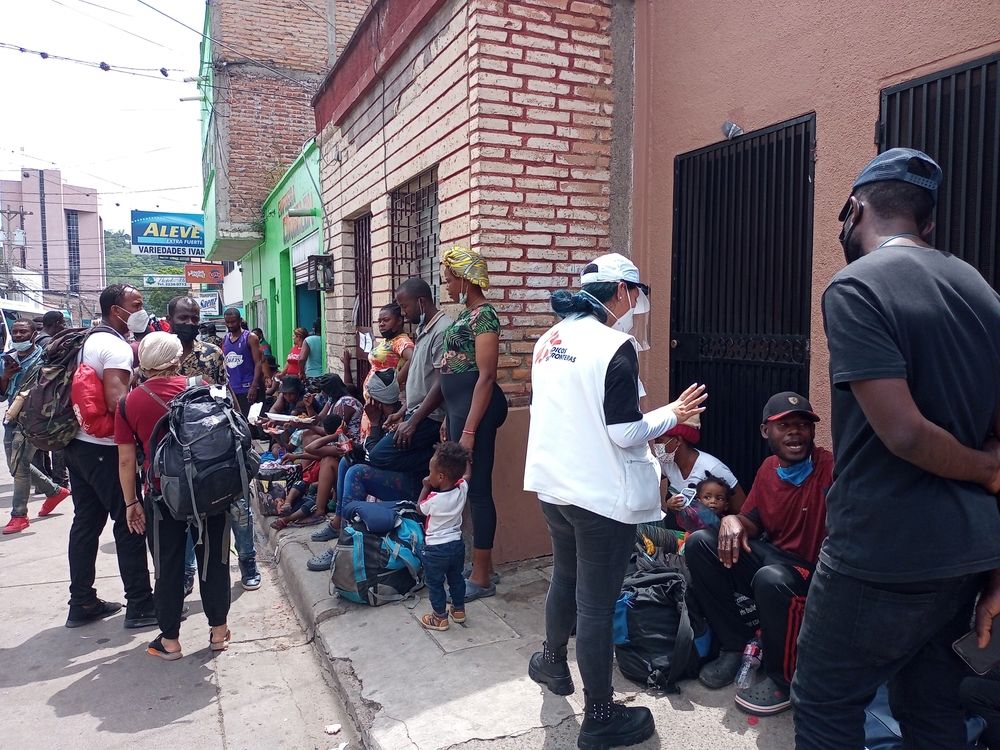
In Honduras, MSF remains committed to continuing our two other projects, one focusing on sexual and reproductive healthcare for adolescents, people who engage in sex work, and the LGBTIQ+ community, and another on the prevention of arboviruses (Dengue, Zika and Chikungunya). We also remain on standby to respond to other humanitarian needs.
In Panama, our teams remain ready to respond in coordination with local authorities should critical needs arise.[
The tightening of migration policies and the drastic reduction in humanitarian aid particularly from the United States—have left hundreds of thousands of people trapped in precarious situations or forced to take increasingly dangerous routes. Every immigrant is a precious life, and many of these people scattered across countries have no way turning back. It’s obvious that the issue will not be solved by tightened policies of the authorities. MSF calls on all governments in the region to uphold their responsibility to protect, not punish, those seeking safety, and to establish safe, legal, and dignified migration pathways.
For more information on changes in the migration context in Mexico and Central America, read our report Unwelcome: Devastating impacts of new migration policies in the Americas published in August 2025.