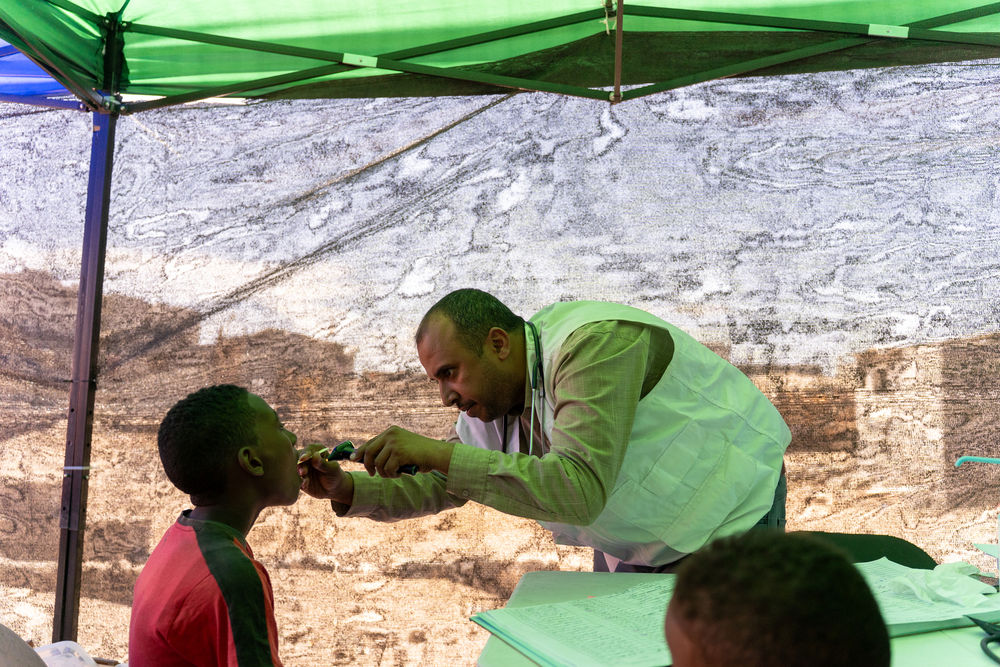

在剛果民主共和國東北部持續爆發的伊波拉疫情中,兒童正付出沉痛代價。兒童感染伊波拉病的死亡風險不但高於成人,他們在受是次疫情影響人群當中也佔比甚高。根據無國界醫生的流行病學研究中心(Epicentre)統計,北基伍(North Kivu)省近四分一伊波拉病確診個案為兒童。相較其他人群,該病對兒童造成的影響不成比例地高,組織對此甚為關注,並呼籲各界在醫療應對工作和研究對策中更重視疫情下兒童獨有的脆弱處境。
雖然伊波拉病毒對任何年齡人士都是一種致命疾病,但幼兒面臨的死亡風險最高。在北基伍省,兒童尤受是次疫情影響:確診個案中有24%為5歲以下兒童,一歲以下嬰兒佔13%;而伊圖里(Ituri)省5歲以下兒童的比例則為13%,一歲以下嬰兒佔6%。組織的團隊在北基伍省布滕博(Butembo)的伊波拉病治療中心,觀察到兒童死亡率尤高。今年6月至9月期間,僅在該治療中心內的30名兒童病人中,便有24名死於本迪布焦病毒 (Bundibugyo virus),當中大多更是5歲以下。疾病在社區蔓延之迅速,以及醫療設施層面上專科護理之匱乏,均造成如此驚人的高死亡率。
無國界醫生在布滕博的項目統籌霍夫曼(Stéphanie Hoffmann)解釋:「識別和安全地管理疑似個案需要專門的知識、設備以及感染防控措施,但基層醫療護理設施往往缺乏上述的東西。我們今夏在北基伍省布滕博的伊波拉病治療中心接收的兒科個案中,大多數均在入院前數天或數周便已因其他疾病在各間醫療設施接受住院治療。其家屬本身並無感染伊波拉病,因此孩子們很可能是在該些設施內感染的。」加強醫療設施的感染防控措施、確保員工能隨時使用個人防護裝備,以及加強高風險地區非伊波拉治療設施內醫護人員的培訓,對於預防與醫療護理相關的傳播的同時維持必要服務至關重要。
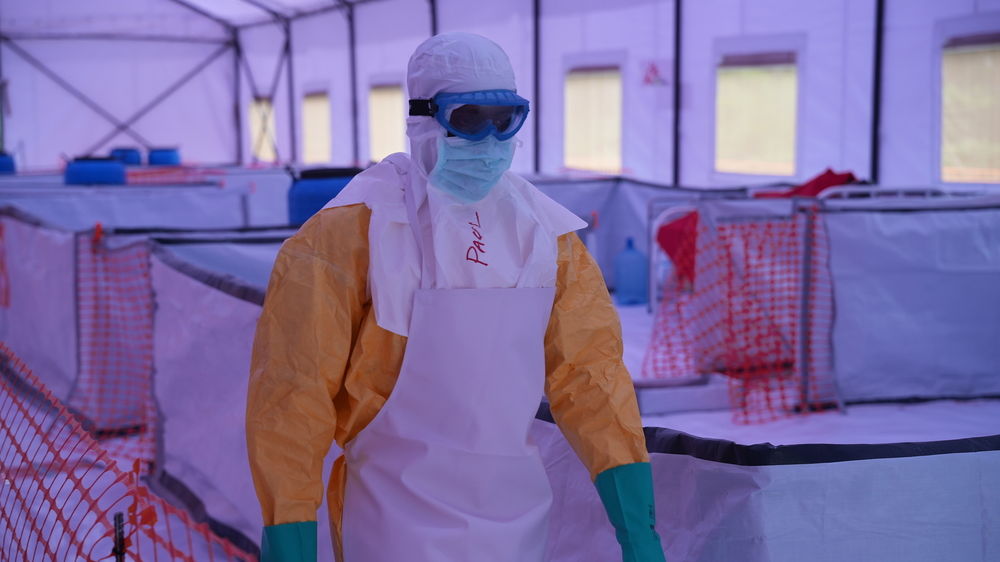
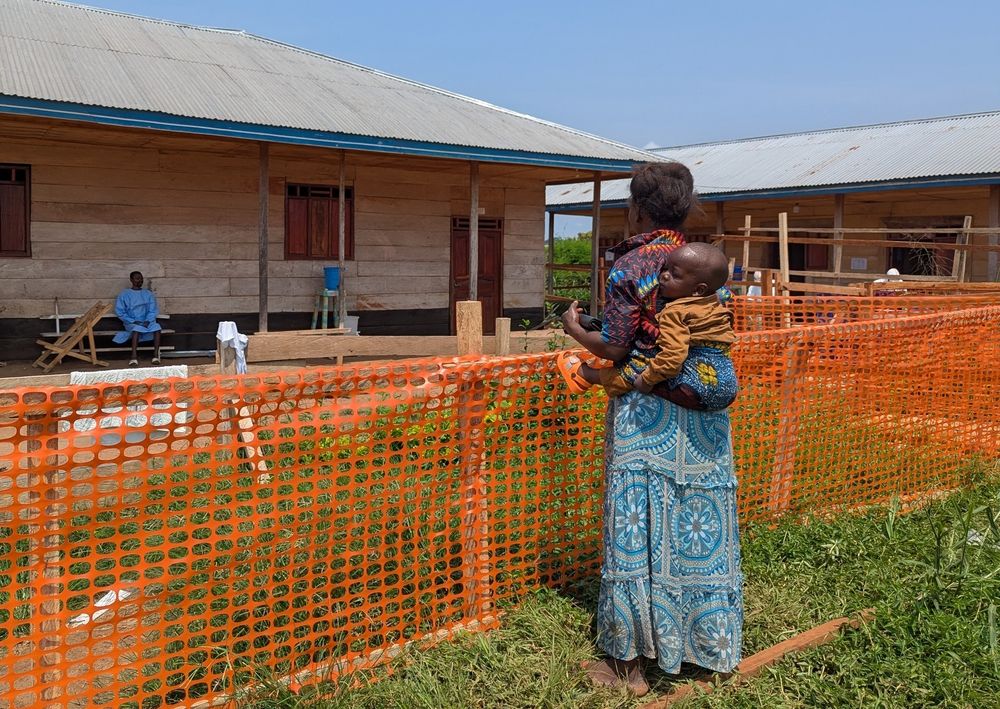
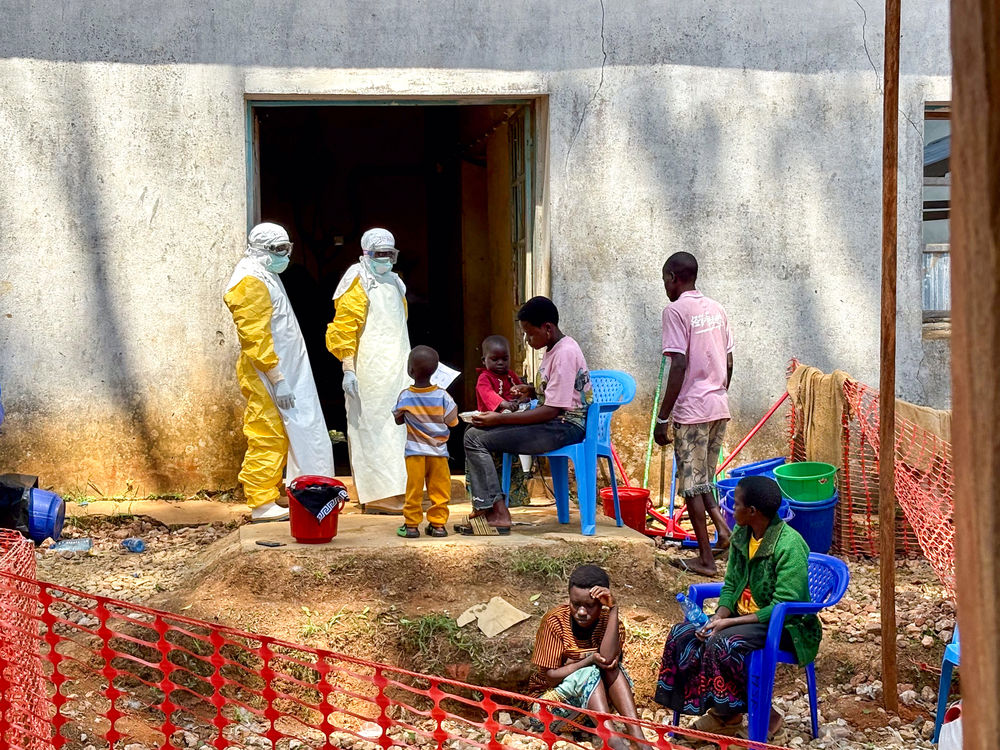
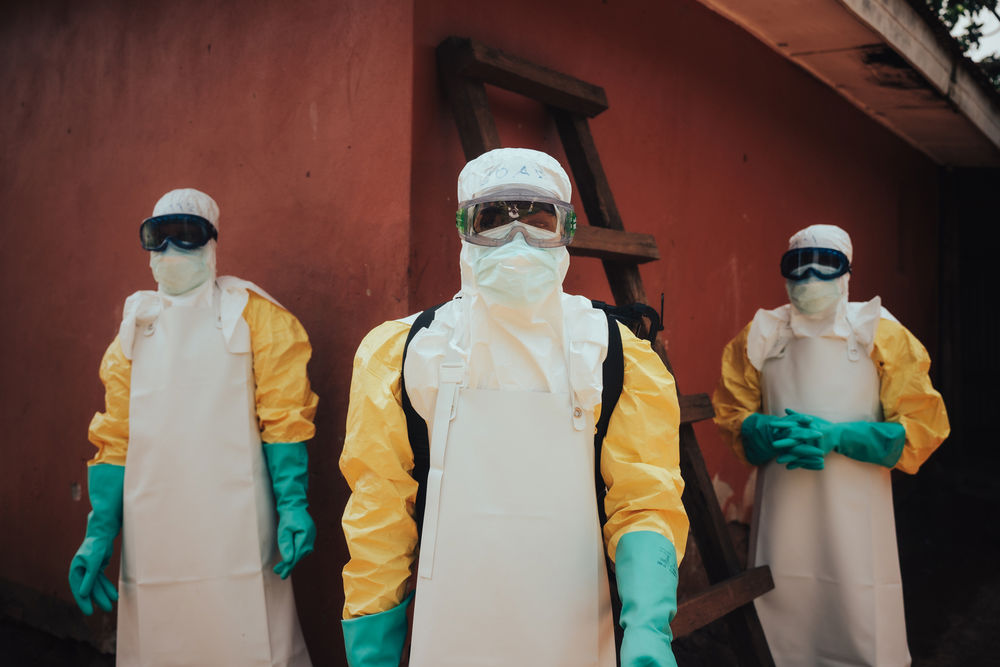
伊波拉病治療中心內的兒童必須接受隔離。儘管各方已採取各項措施以減輕他們因此承受的情緒負擔,例如設立家長可以看見住院兒童且能交流的可視區域,但對於年幼病人而言,入住伊波拉病治療中心仍是一段極為痛苦的經歷。兒童年齡可能太小,無法理解自身處境或滿足基本需求。為協助處理這情況,無國界醫生招募並培訓一批為兒童提供日常支援和慰藉的護理人員。他們在組織支援的多間伊波拉治療中心內,身穿全套個人防護裝備工作;他們來自不同背景,包括但不限於伊波拉病倖存者。目前有13名護理人員在布滕博的基塔通巴(Kitatumba)伊波拉病治療中心內支援兒童病人。雖然這離完美解決方案甚遠,但該措施為面對疫情的兒童提供至關重要的人際接觸和情緒支援。
On top of enormous challenges caring for young patients, medical facilities are dealing with a lack of paediatric dosing guidance, and limited availability of child-friendly formulations of investigational medicines. A child-centred approach must be at the heart of medical care, operational planning, and research efforts.
Dr. Guyguy Manangama, epidemiologist and deputy director of operations at MSF
Children have been disproportionately affected by the current outbreak, yet they are left behind when it comes to access to innovative medical tools. Historically, children are often excluded from clinical research or included only after significant delays, creating dangerous gaps in evidence and access to potentially life-saving interventions.
"Treatments, vaccines, and other preventive tools should be evaluated for use in children from the outset of research efforts and made available to them without delay. Yet in the current outbreak, children are still being left behind, with very limited access to vaccination trials and campaigns, as well as the latest therapeutic innovations despite bearing a significant burden of disease. Children cannot continue to wait for data generated in adults before benefiting from advances in Ebola care and prevention,"
added Dr. Guyguy Manangama
MSF urges national authorities, research institutions, pharmaceutical developers, and international funders to prioritise the inclusion of children in all ongoing and future Bundibugyo virus studies. Ensuring equitable access to research and new medical tools, including vaccines, is essential to reducing preventable deaths and improving outcomes for one of the most vulnerable groups.
The impact of the outbreak on children extends beyond Ebola infection itself. Disruptions to essential health services can rapidly increase risks from vaccine-preventable diseases, malnutrition, and other common childhood illnesses. Preserving routine immunisation, nutrition programmes, and access to primary healthcare must therefore be considered a core component of the outbreak response, not an afterthought.