
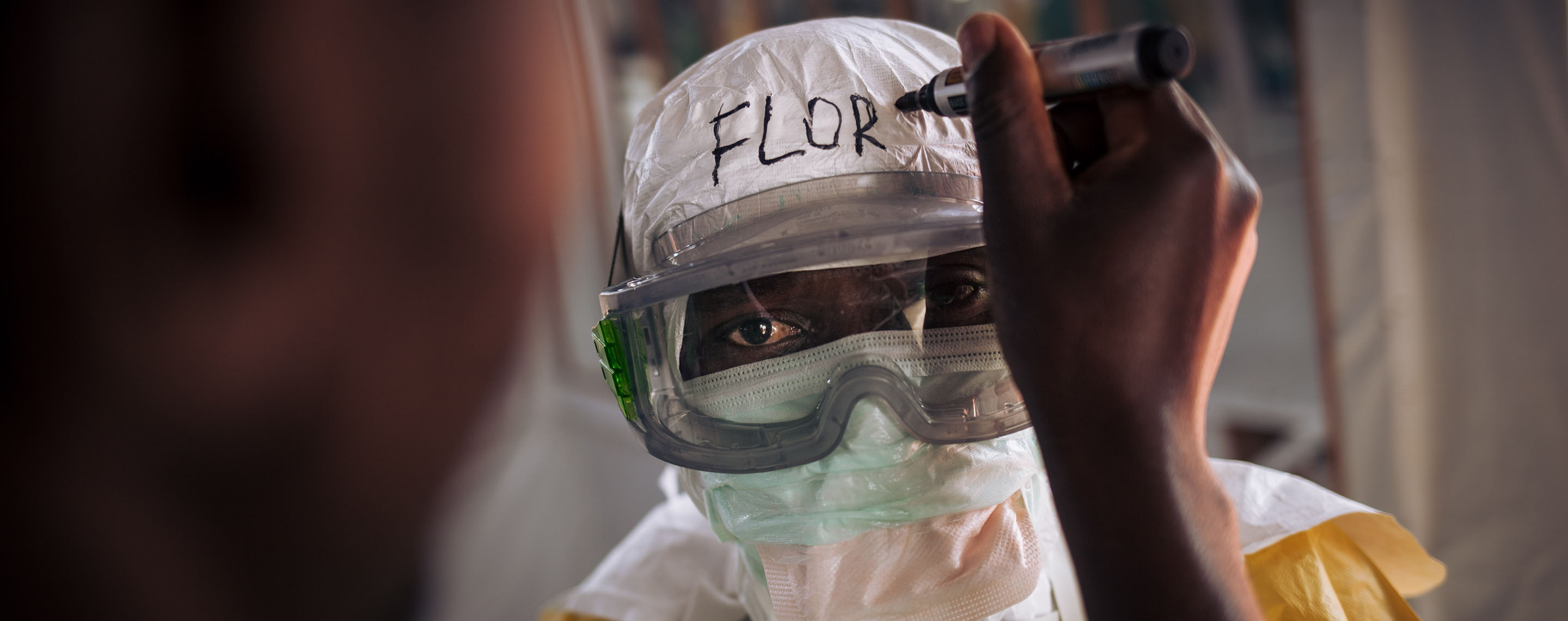
Ebola disease is an infectious viral haemorrhagic fever, caused by any different viruses within the genus of Orthoebolavirus. The most well-known viruses are Ebola virus (also commonly referred to as Zaire), Sudan virus, and Bundibugyo virus. They each have different virulence and fatality rates. Zaire is the most virulent and lethal, killing up to 90% of people; Bundibugyo the least, with estimated case fatality rates between 25% and 40%.
Clinical features
Early symptoms can include fever, fatigue, muscle pain, headache, and sore throat. These can be followed by vomiting, diarrhoea, rash, and, in some cases, bleeding.
Mode of Transmission
It is transmitted to humans through direct contact with blood, secretions, organs, or other bodily fluids of infected animals. Human-to-human transmission occurs through close contact with the bodily fluids of infected individuals.
Treatment and Vaccination
The two monoclonal antibody treatments, approved following clinical trials conducted in the DRC between 2018 and 2020, are specific to the Ebola virus (Zaire virus) .
The Ervebo vaccine (rVSV-ZEBOV) is one of two vaccines approved for the Ebola virus and is available for use in outbreak response.
There is currently no approved treatment and vaccine for Ebola disease caused by the Bundibugyo virus.
MSF has responded in almost all reported ebola outbreaks over the past years.
The 2014-2016 Ebola epidemic in West Africa was unprecedented: 67 times the size of the largest previously recorded outbreak, it reached urban areas, and killed more than 11,300 people. Hundreds of health workers died, decimating the already-struggling healthcare systems of Liberia, Guinea and Sierra Leone. During the outbreak, MSF cared for more than 5,200 Ebola confirmed patients, representing one-third of all WHO-confirmed cases.
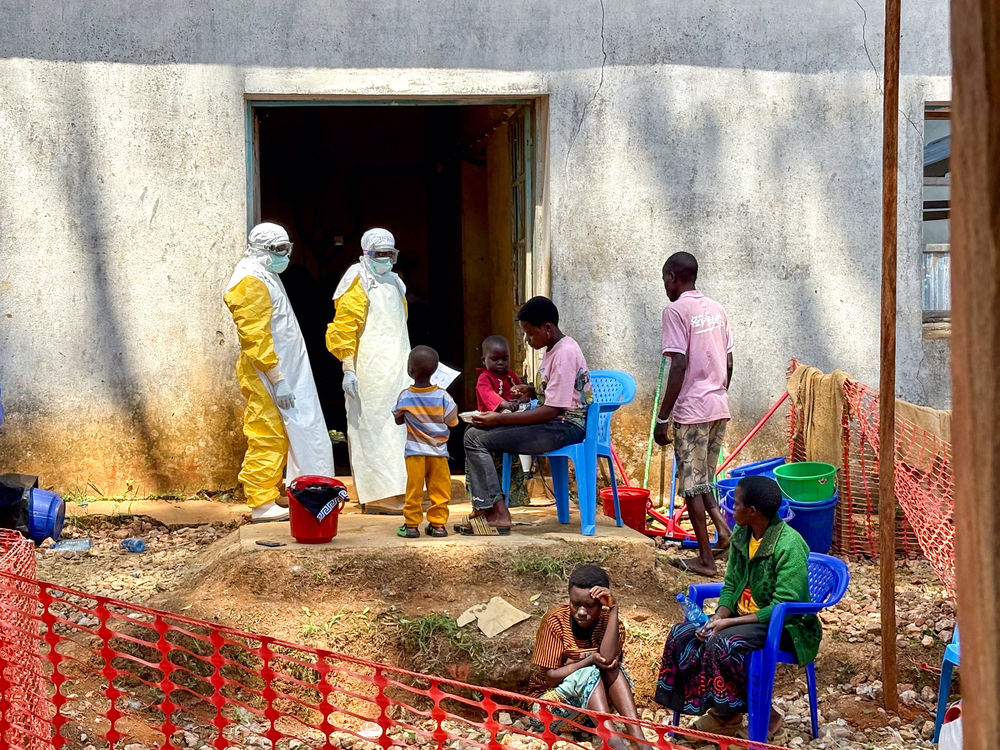
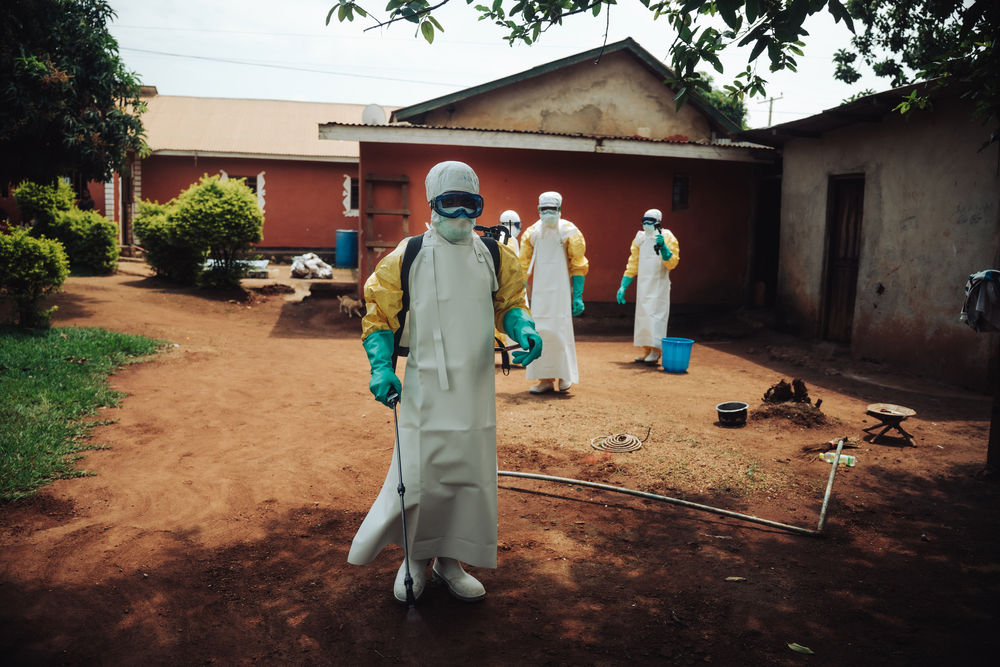
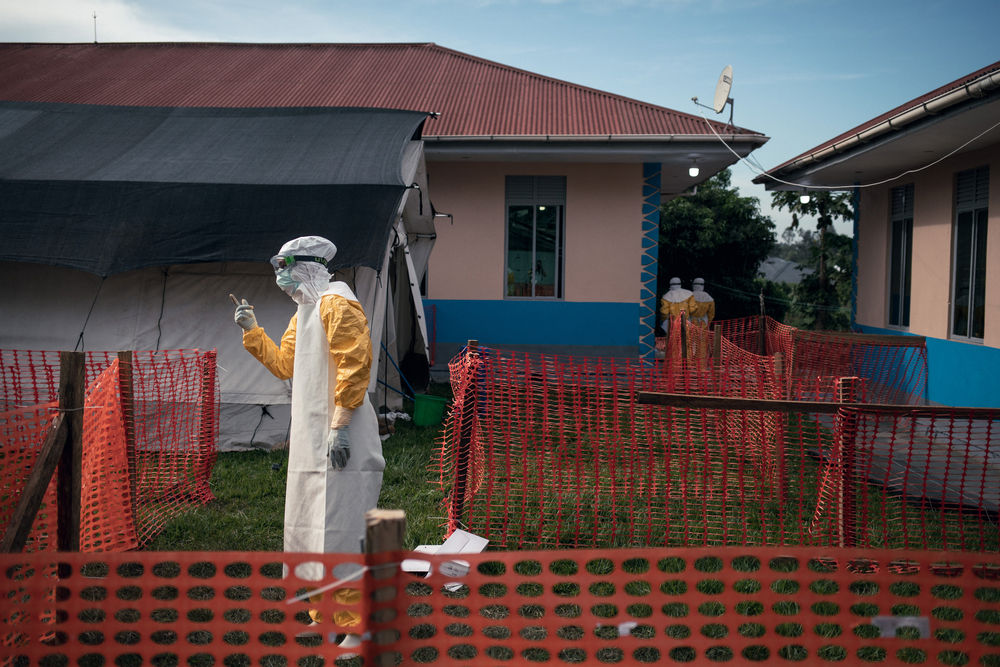
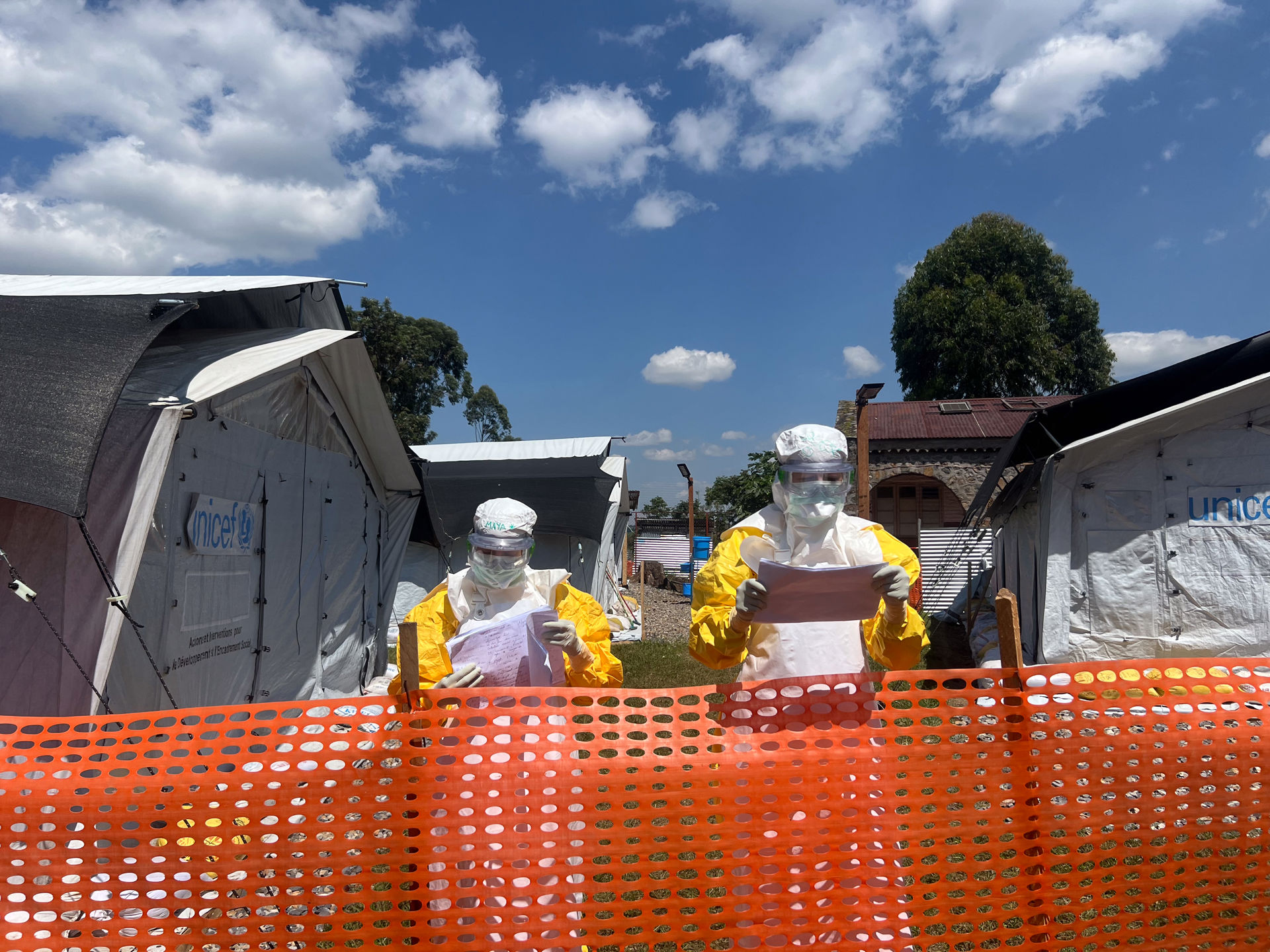
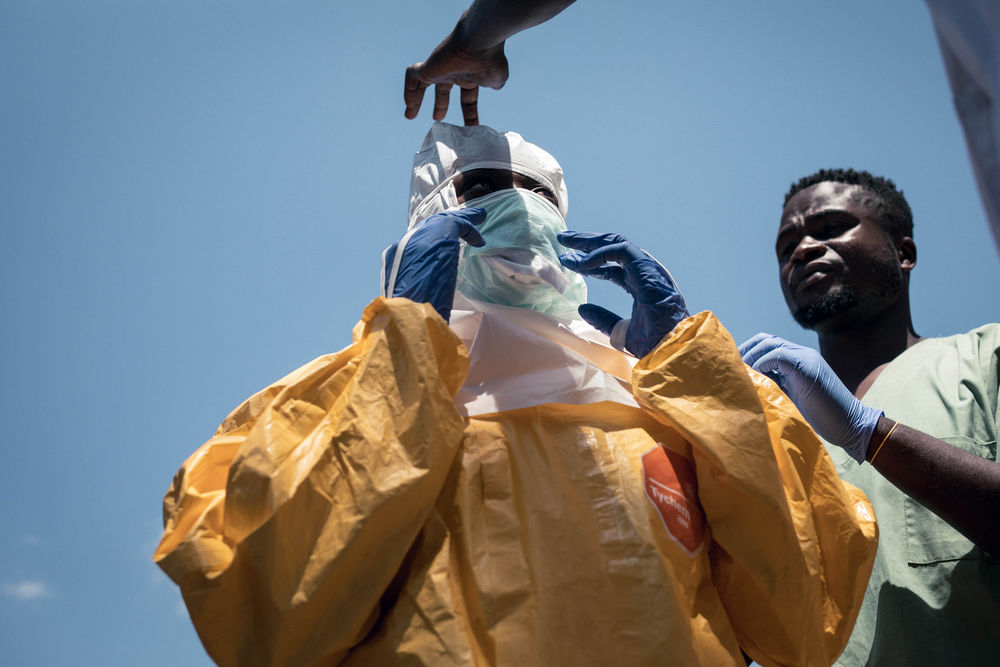
A typical Ebola response comprises six main pillars: care and isolation of patients; tracing and follow up of patient contacts; raising community awareness of the disease such as how to prevent it and where to seek care; conducting safe burials; proactively detecting new cases; and supporting existing health structures.
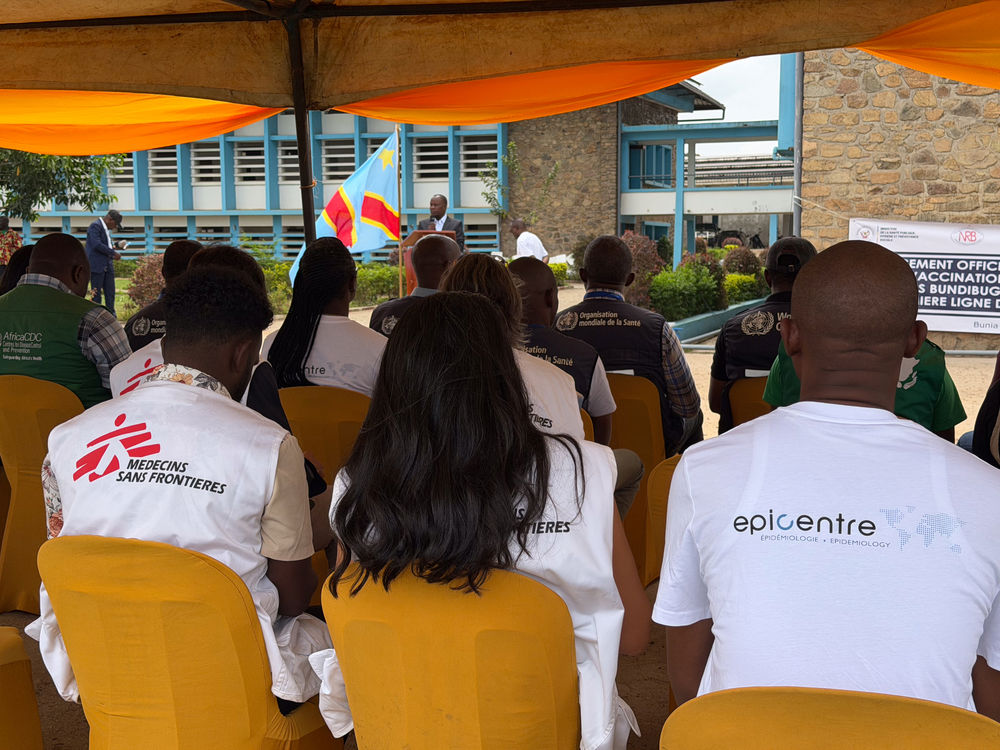
On 15 May, the Ministry of Health of Democratic Republic of Congo officially declared an Ebola Disease outbreak in DRC and this outbreak has been caused by the Bundibugyo Ebola virus. On the same day, health authorities in neighbouring Uganda also confirmed one case of Bundibugyo virus. The World Health Organization declared a public health emergency of international concern on 17 May. MSF is rapidly scaling up its medical response in Ituri province, North Kivu and South Kivu in the DRC, and is working to support the public health authorities’ response in Uganda.