
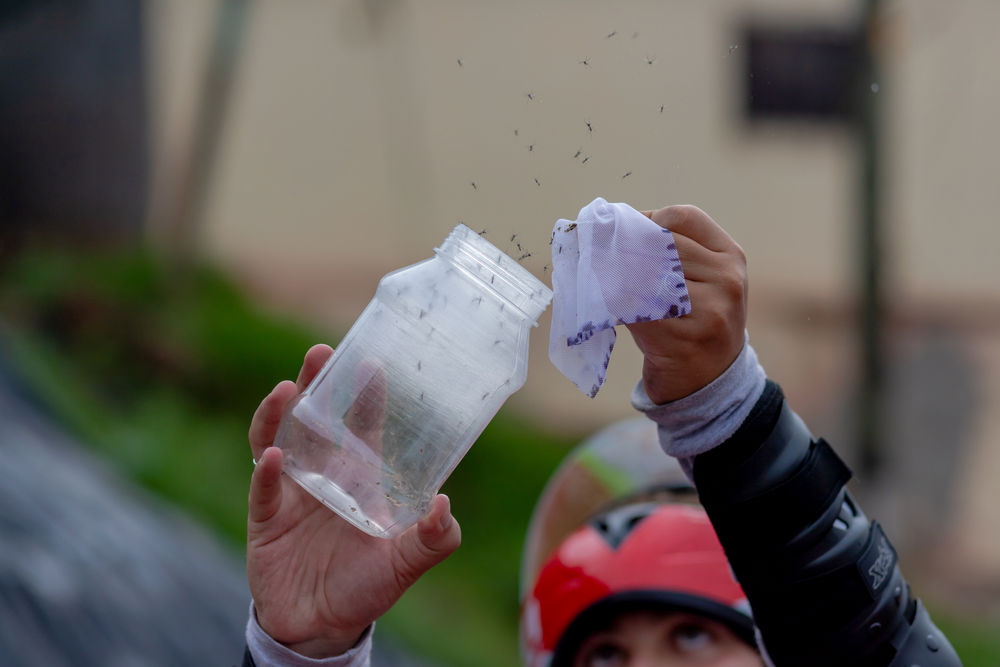
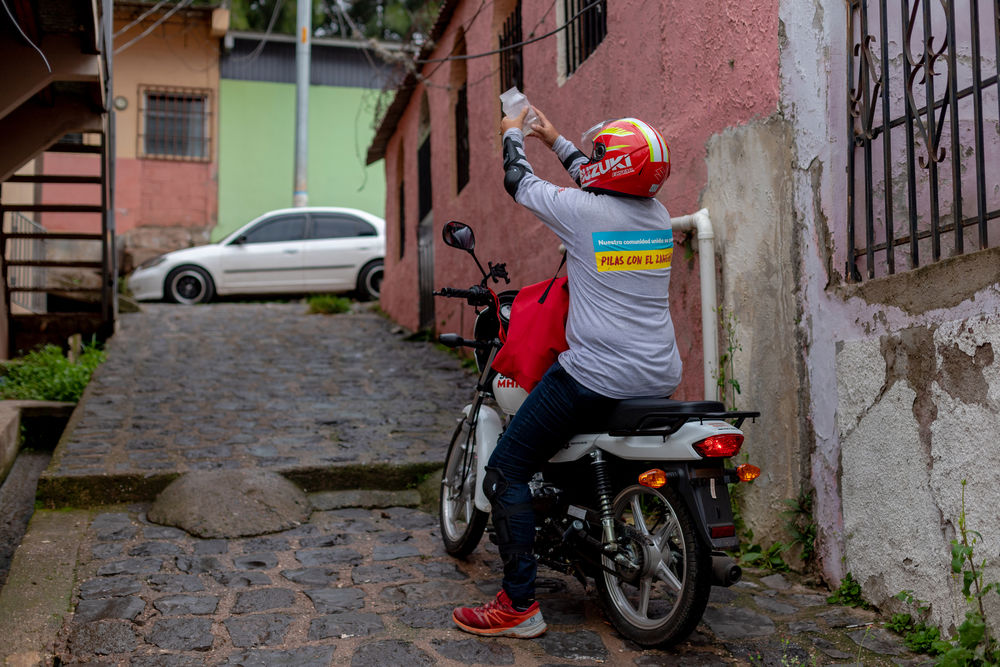
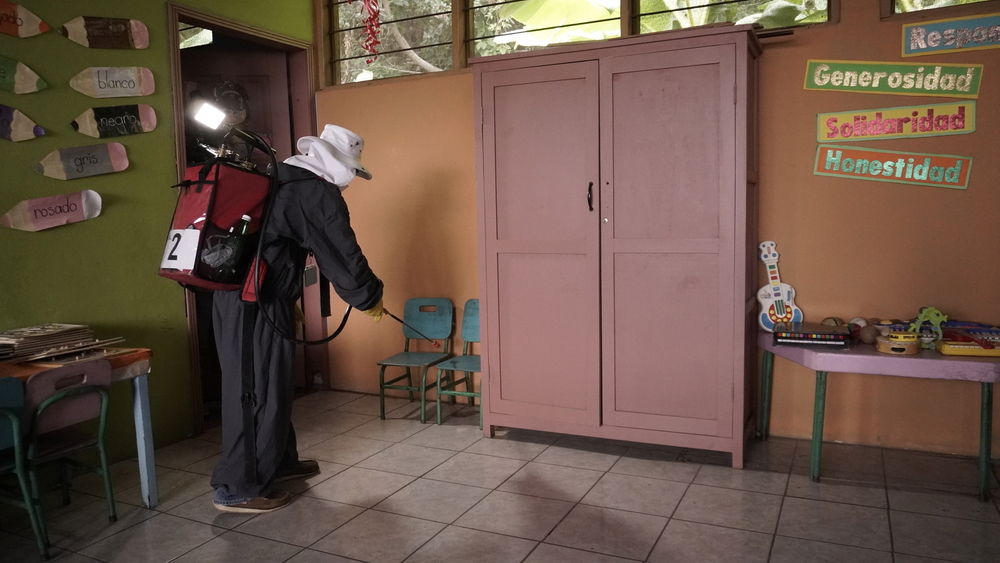
Launched in 2023, the project was implemented in collaboration with the Ministry of Health, the National Autonomous University of Honduras, the World Mosquito Program, the Metropolitan Health Region of the Central District, and local communities. Targeting the neighbourhoods of La Joya, El Edén, and El Manchén, it combined vector control methods such as Wolbachia-carrying mosquitos, indoor residual spraying, and pyriproxyfen disks on water wells, with strong community participation in all phases.
Key outcomes:
- More than 8.5 million mosquitos were released carrying the Wolbachia bacteria in El Manchén, with 97.8 per cent prevalence of Wolbachia in the local Aedes aegypti mosquito population.
- The dengue cases in El Manchén were significantly lower than expected, based on historical trends between this area and control areas that did not receive Wolbachia-carrying mosquitos. Statistical analyses suggest that the introduction of Wolbachia may have contributed significantly to this reduction in the incidence of dengue in El Manchén during last year's outbreak.
- 7,500 households were reached through spraying and water well interventions in La Joya and El Edén.
This project demonstrates that innovation and community participation can go hand in hand in the fight against vector-borne diseases. It was a unique project within MSF globally, leaving us with valuable lessons in prevention and public health.
Edgard Boquín, Project Coordinator
Although the prevention project has concluded, we maintain our commitment to the health of communities in Honduras through our sexual and reproductive health project in San Pedro Sula, ongoing epidemiological monitoring of dengue and other Arboviral diseases, and preparedness strategies for potential emergencies.