
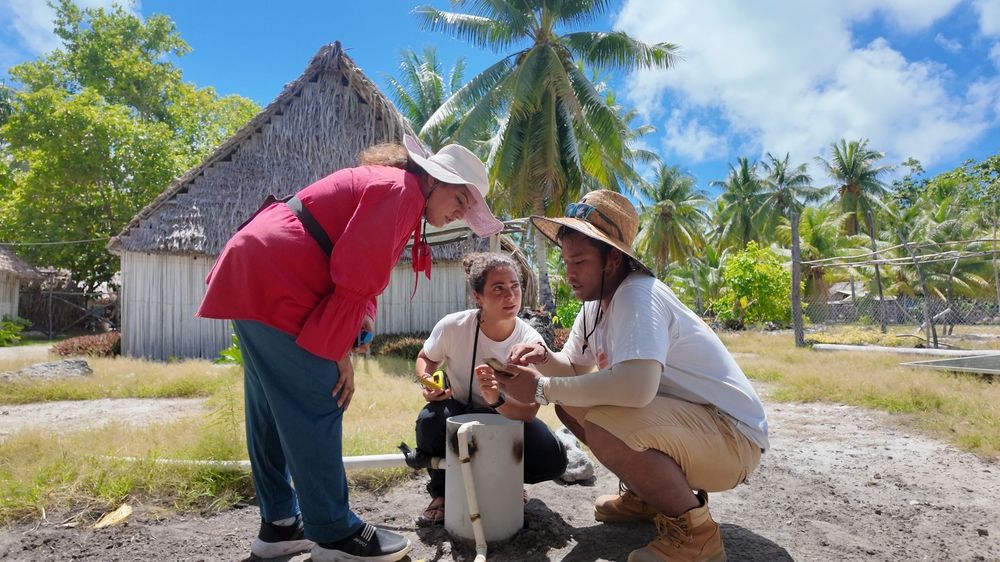
The Pacific island nation of Kiribati is predominantly made up of low-lying atolls just a few metres above sea level, making it highly vulnerable to the impacts of climate change. Communities are already experiencing rising sea levels which threaten their homes with inundation, while saltwater intrusion into the groundwater table affects the quality of drinking water.
Maoto Barekiau is an I-Kiribati (person from Kiribati) medical data officer for MSF who has witnessed the worsening impacts of the changing climate over her lifetime.
Now, we are greatly affected by sea level rise, and so for the next generation… what will they face in the future? That's the question that keeps popping up on my mind when I see the sea crashed over a seawall and overflowed onto the land.
Maoto Barekiau,medical data officer
As well as saltwater inundation, the country also experiences drought, which can reduce arable land to grow crops, adding to an increased reliance on imported, less nutritious foods. These pressures compound existing nutrition challenges, including undernutrition along with high rates of obesity and non-communicable diseases. MSF’s work in Kiribati aims to strengthen the climate resilience of the health system, including supporting access to safe water options.
COP31 is the 31st annual UN climate summit, taking place in Antalya, Türkiye, from 9-20 November. While Türkiye holds the presidency, Australia is president of negotiations, working with Pacific countries to advance regional priorities.
MSF is attending COP31 because the outcomes of the summit will have direct implications for the health and wellbeing of the communities MSF works with.
Dr Maria Guevara, MSF international medical secretary says that the majority of the locations where MSF works are in countries most exposed to climate risks.
Our teams are already responding to health and humanitarian situations made worse by climate change in many of these places. These needs will grow as the world heats up. Humanitarians will not be able to respond to all of the growing needs and countless lives will be lost unless climate action is drastically scaled up.
Dr Maria Guevara, MSF international medical secretary
As climate change intensifies, there is an increase in extreme weather events such as heavy rains, heatwaves, floods, droughts and cyclones alongside slow-onset changes such as sea-level rise and salinisation of water. Across many of MSF’s projects, teams are witnessing the complex consequences of climate-related pressures including displacement, malnutrition, loss of livelihoods, and psychological trauma.
In the Philippines, Sarah Jane de Ocampo is a mental health activity manager for MSF. She works closely with communities who have faced repeated crises linked to changes in their natural environment.
Over the past decade, communities have noticed stronger typhoons, longer droughts and unpredictable weather. These environmental shifts bring stress, uncertainty and trauma. Parents worry about feeding their children. Young people feel anxious about their future. And health workers themselves struggle with burnout. Climate change is reshaping not only the environment, but also the mental health landscape.
Sarah Jane de Ocampo, mental health activity manager
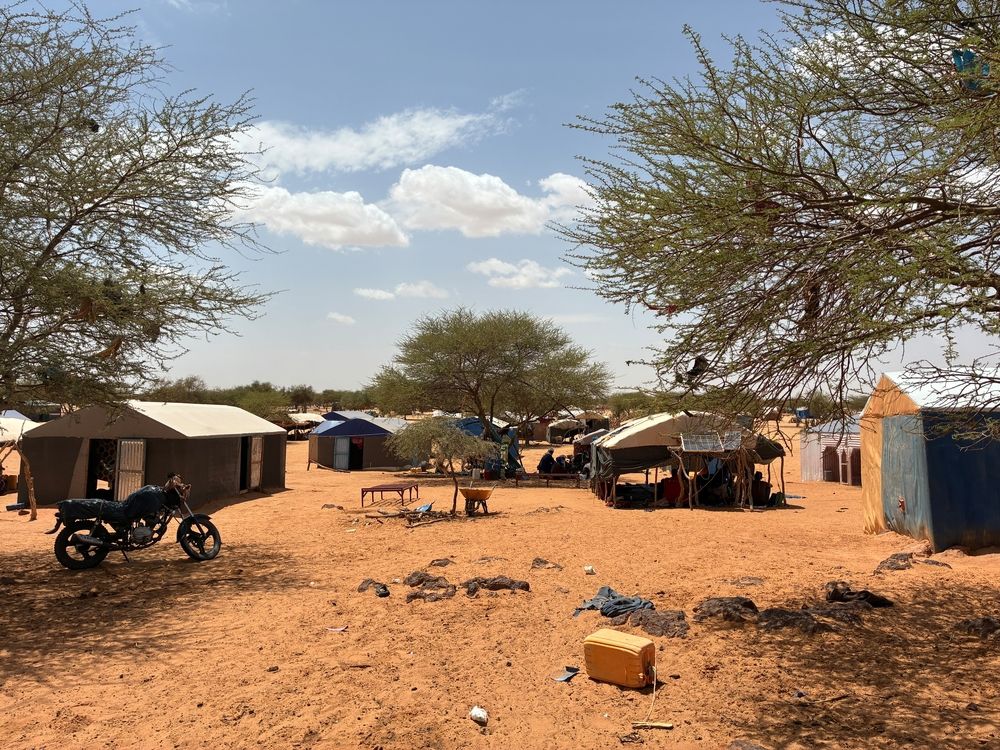
In many of the places MSF works, climate change is exacerbating vulnerabilities linked to poverty, displacement, conflict, and limited access to healthcare.
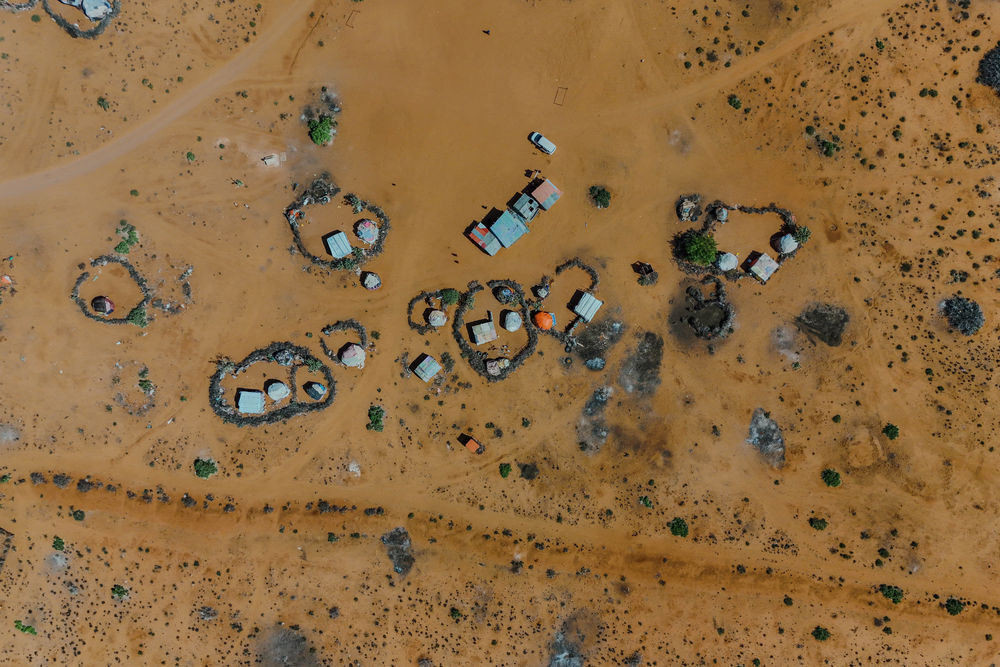
Somalia is this year facing a severe drought emergency after four consecutive failed rainy seasons, leaving millions of people without adequate food or water. Despite the ongoing conflict, in the first quarter of this year it was drought that accounted for more than 90 per cent of internal displacement within Somalia.
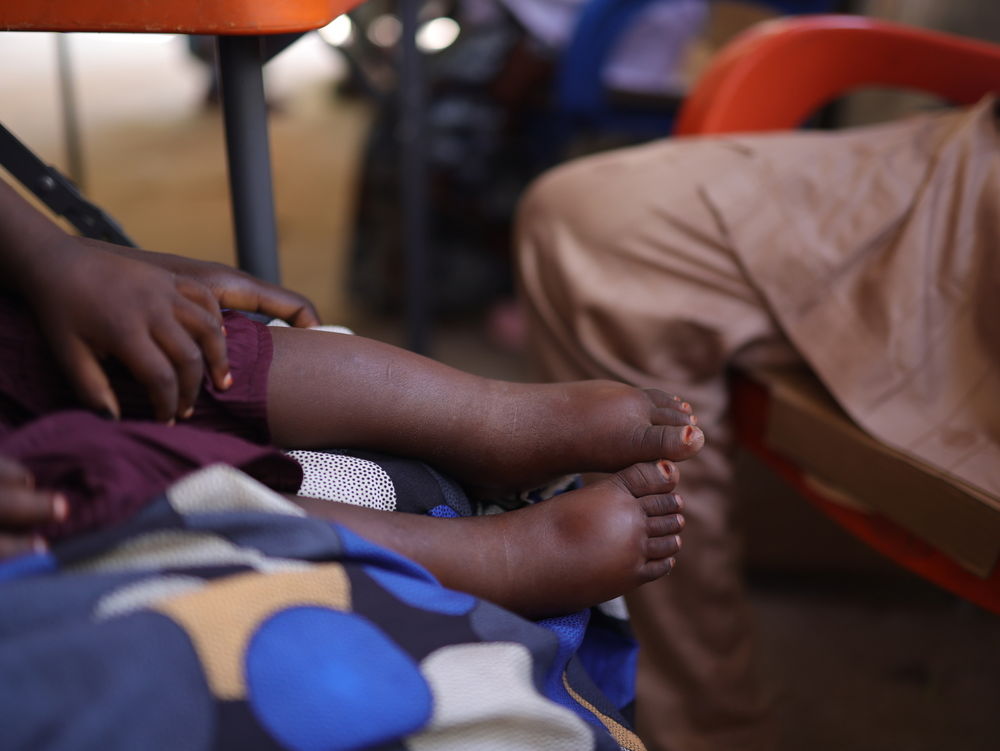
People forced to move due to the drought often arrive at displaced person’s camps malnourished after multiple crop failures, and are then at risk of diseases like measles and diphtheria which spread quickly in the overcrowded camps. In Baidoa displacement sites, almost half of all children under age five screened by MSF were acutely malnourished in July this year. With the onset of El Niño, forecast rains threaten to flood what remains of this year’s harvests, a blow predicted to deepen food insecurity and worsen malnutrition rates.
For us, climate change is not something in the future. It is already here.The people of Somalia did very little to cause it, but we are the ones living with the consequences. Decisions made at the COP31 needs to reach places like Baidoa. This means clean water, health facilities that can keep working through the drought and floods, and support that arrives before the next crisis.
Yahya Mohamed, who is from Baidoa and is field communications officer for MSF in Somalia.
The climate impacts facing many of the communities that MSF supports are also predicted to be exacerbated by El Niño, which is expected to be the strongest on record and due to peak in late 2026. While impacts will vary from place to place depending on seasonal trends and existing vulnerabilities, there are already concerning signals emerging.
South Sudan is facing severe and overlapping climate shocks, including an extreme El Niño-driven drought in some parts of the country that has prompted crop failures and aggravated food insecurity. At the same time, in other parts of South Sudan, years of ‘exceptional’ flooding have submerged homes and harvests, contributing to malnutrition and restricting access to healthcare.
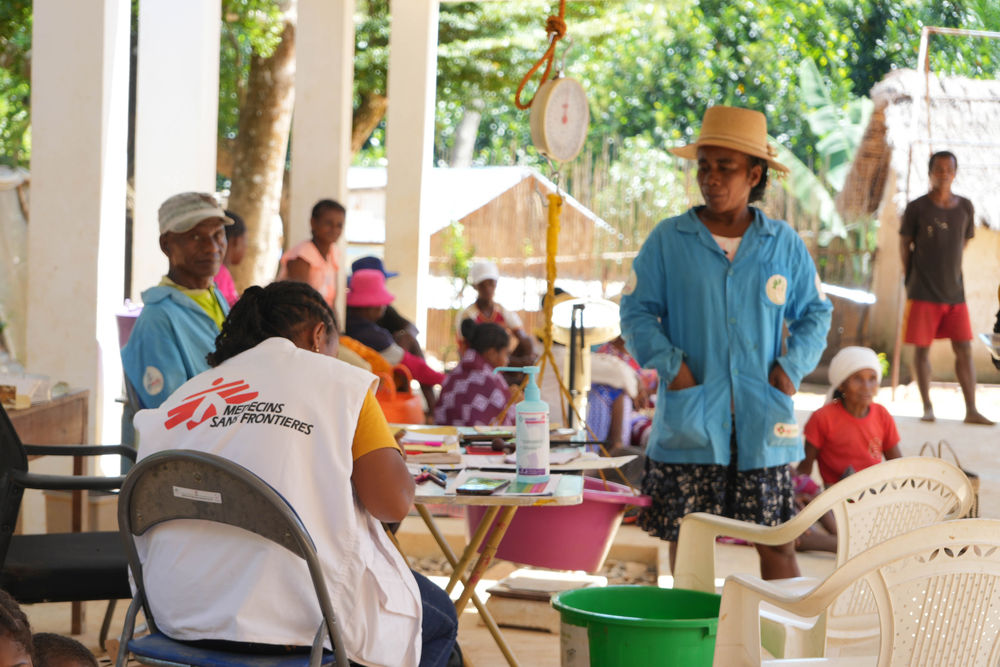
Madagascar has also this year experienced back-to-back cyclones, in addition to prolonged droughts and erratic seasons. These climatic risks deepen food insecurity, spread diseases such as malaria and severely undermine access to healthcare, leaving those already at risk even more exposed. MSF teams provide medical care, nutritional support and essential relief items, while working with local communities to provide sustainable healthcare adapted to a changing climate.
COP31 is said to be the ‘implementation COP’ – aiming to turn commitments into practical outcomes. MSF is calling for ambitious action to cut greenhouse gas emissions, adapt health systems to the realities of climate change and provide financial and technical support to the most affected countries.
Dr Guevara emphasises that the outcomes of COP31 need to translate into real support for the most impacted countries and communities.
What we are seeing today is simply too little and too slow. The most impacted countries are repeatedly asking for financial support to deal with the increasing impacts, but they are not receiving it. They need to be ready to care for people during floods, droughts and cyclones, and to respond during outbreaks, changing disease patterns and increasing levels of malnutrition. My message for leaders at COP31 is that you are negotiating with people’s health and lives. Not numbers. The health and humanitarian impacts of climate change are real and they will grow as the world heats up.
Dr Guevara