
According to the World Health Organization (WHO), patient safety means “reducing the risk of unnecessary harm associated with healthcare to an acceptable minimum.” When discussing patient safety, people often think of misdiagnosis, surgical errors, or healthcare-associated infections. Yet one major threat is frequently overlooked despite its profound impact on future treatment options for patients: antibiotic resistance.
Antibiotic resistance occurs when bacteria develop the ability to survive exposure to antibiotics. The misuse and overuse of antibiotics are major drivers of the development and spread of drug-resistant bacteria, making infections increasingly difficult to treat. As antibiotics become less effective, infections become harder to treat or may no longer respond to treatment at all. This can lead to severe illness, death, and the further spread of infectious diseases. In 2021, an estimated 4.7 million deaths worldwide were associated with antibiotic resistance, including 1.14 million deaths directly attributable to it. By 2023, laboratory testing confirmed that approximately one in six bacterial infections causing common infections worldwide were resistant to antibiotics. Between 2018 and 2023, resistance increased in more than 40% of the pathogen-antibiotic combinations monitored, with an average annual increase of 5-15%. As the development of new antibiotics struggles to keep pace with the emergence of resistance, this growing crisis has become a major threat to global health.
Antibiotics have long been regarded as one of the greatest medical advances of the 20th century. They have transformed the prevention and treatment of bacterial infections, saving countless lives. However, the misuse and overuse of antibiotics are accelerating the spread of antibiotic resistance worldwide.
According to WHO’s Global Antimicrobial Resistance and Use Surveillance System (GLASS), key drivers of antimicrobial resistance include inappropriate antibiotic selection, inappropriate prescribing and use of antibiotics practices, incorrect dosing and treatment duration, patients failing to complete prescribed treatment courses, and the widespread use of antibiotics in livestock farming and agriculture for growth promotion or routine disease prevention. Together, these practices contribute to the emergence and spread of drug-resistant microorganisms.
When bacteria are repeatedly exposed to antibiotics, particularly at inappropriate doses, genetic mutations can occur that enable them to withstand treatment. Over time, some bacteria develop multidrug resistance (MDR), making infections increasingly difficult to treat. This threat affects people everywhere, regardless of whether they live in settings with strong healthcare systems or limited access to medical care.
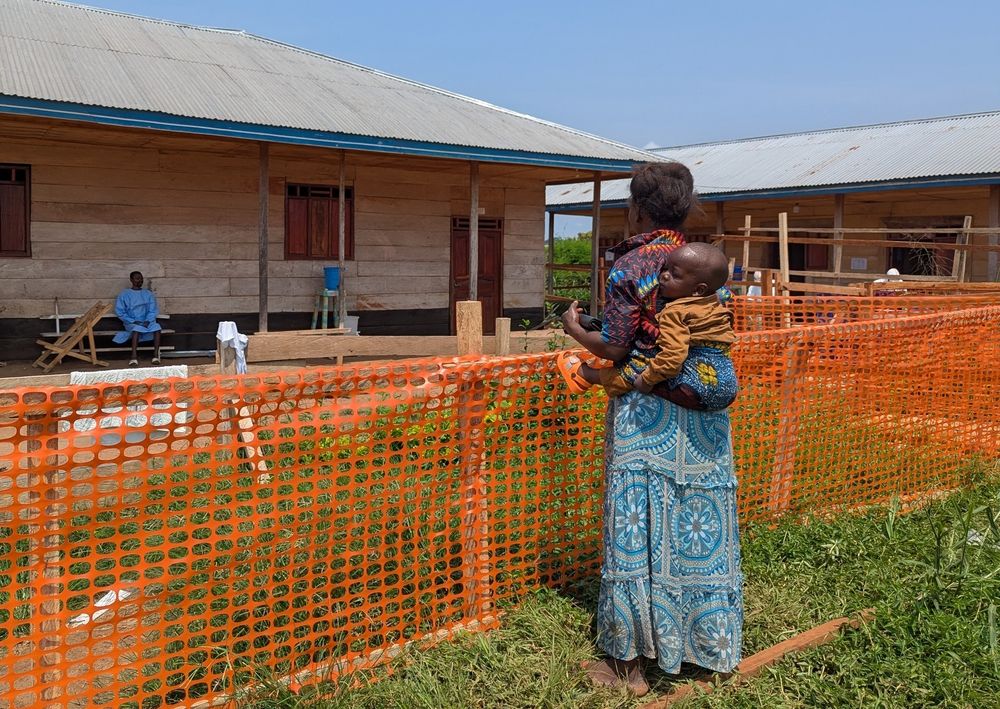
For patients, antibiotic resistance means that finding an effective treatment becomes increasingly difficult. As resistant bacteria continue to spread and the development of new antibiotics remains slow, the consequences are being felt across healthcare systems worldwide. In low-resource settings, where access to diagnostics and treatment is often limited, the impact can be particularly devastating.
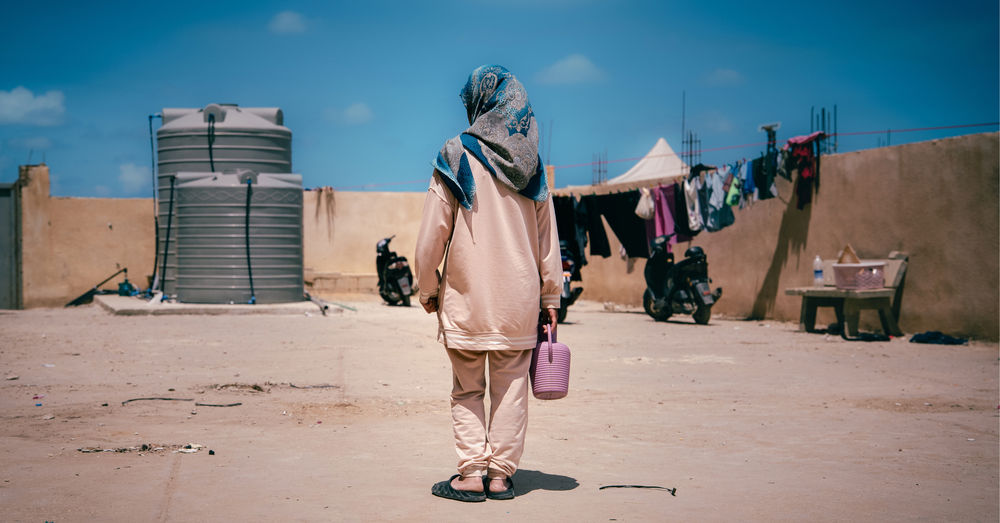
In 2024, more than 950,000 Rohingya refugees were living in the camps of Cox’s Bazar, Bangladesh. Overcrowded living conditions, recurrent flooding, and inadequate infrastructure make access to safe water extremely challenging, affecting hygiene and increasing the risk of infection. Studies of local water sources found widespread contamination, including high levels of faecal bacteria such as Escherichia coli. Overcrowding has also contributed to high rates of scabies, which can lead to secondary bacterial infections. With low vaccination coverage and limited access to qualified healthcare providers, many people turn to informal drug sellers for treatment. Repeated infections and the prolonged use of non-targeted antibiotics have contributed to a situation in which effective antibiotics are becoming increasingly difficult to find.
MSF teams observe similar challenges in frontline projects, including in Afghanistan, where economic instability has weakened health systems and contributed to shortages of essential medicines. Patients are often forced to pay for treatment themselves, resulting in delayed or abandoned care. In conflict-affected settings, shortages of trained healthcare workers and limited antimicrobial stewardship capacity can also contribute to the overuse of antibiotics.
Among war-wounded civilians from Iraq, Syria and Yemen treated for post-traumatic osteomyelitis through MSF's reconstructive surgery programme in Jordan, between 2006 and 2016, 55.2% had infections resistant to first-line antibiotics. The consequences can be life-changing. A wound that would normally be treatable with antibiotics can progress to a point where amputation becomes necessary because no effective treatment remains. Newborn babies, already among the most vulnerable patients, may face life-threatening infections for which there are no effective medicines available. These realities highlight the devastating impact that antibiotic resistance can have on patient safety and survival.
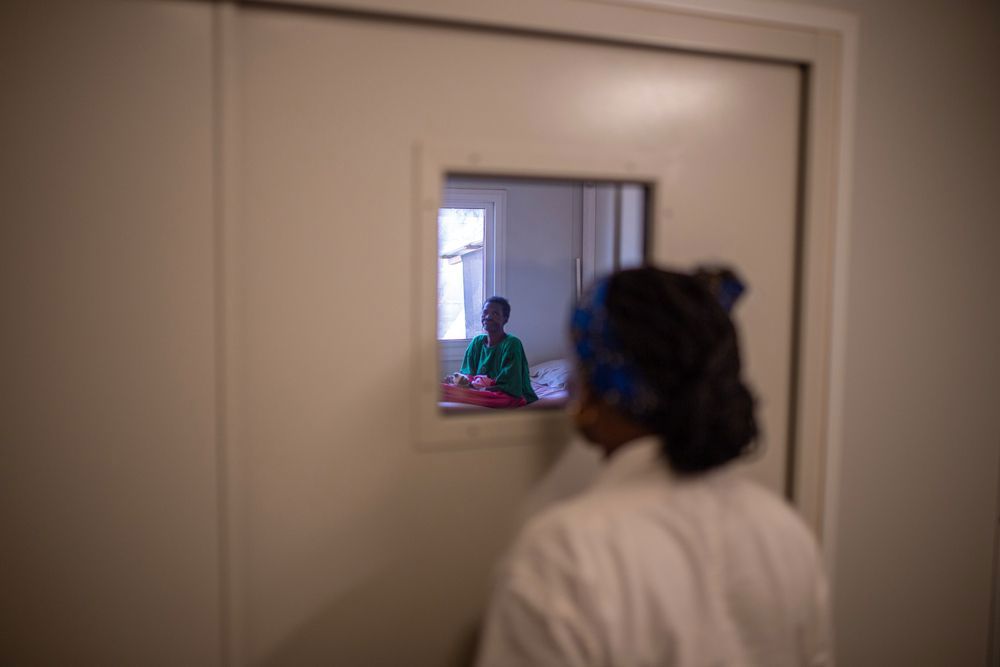
Addressing antibiotic resistance requires far more than action within healthcare facilities alone. A comprehensive approach is needed to prevent resistant infections from emerging and spreading.
Strengthen Infection Prevention and Control
Preventing infections in hospitals and vulnerable communities is one of the most effective ways to reduce the need for antibiotics. Promoting hand hygiene, ensuring proper cleaning and disinfection of healthcare environments and medical equipment, and implementing isolation measures when necessary can help reduce transmission and limit antibiotic use.
Invest in Training for Healthcare Workers
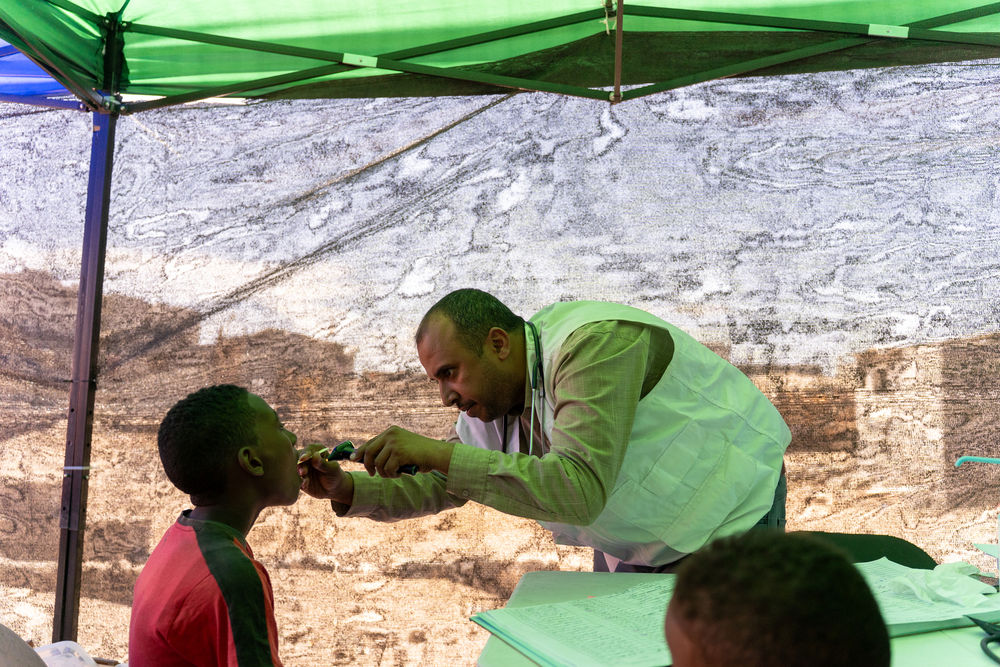
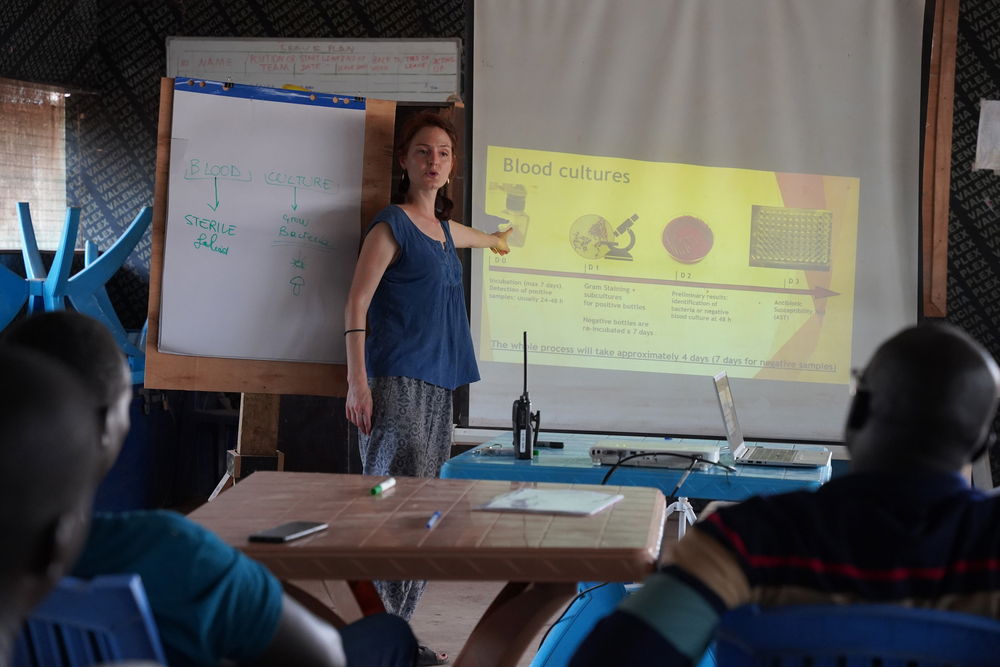
Ensuring that healthcare professionals prescribe and use antibiotics appropriately is essential in preventing misuse. WHO has identified appropriate access to, diagnosis for, and use of antibiotics as key elements in addressing antimicrobial resistance. MSF also continues to provide antimicrobial stewardship and infection prevention and control training to healthcare workers, strengthening both patient safety and clinical capacity in project locations.
Improve Diagnostic Accuracy Through Innovation
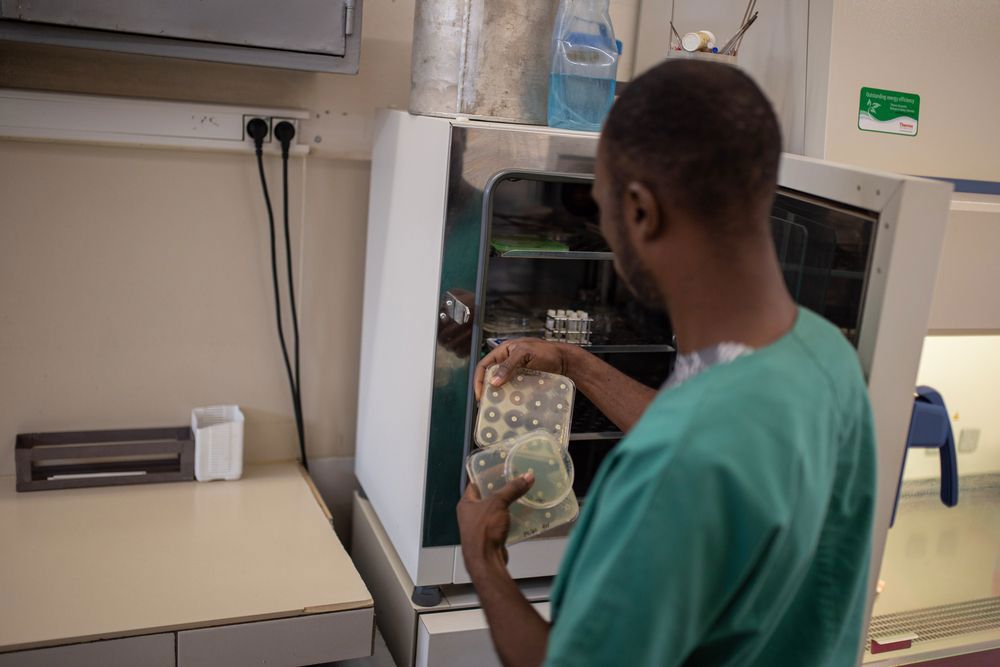
In many low-resource settings, healthcare workers lack timely access to laboratory results and may rely on broad-spectrum antibiotics in the absence of accurate diagnostics. To address this challenge, MSF developed Antibiogo, a free, offline tool designed for use in low- and middle-income countries. Using a smartphone, healthcare workers can analyse antibiotic susceptibility test results, identify resistance patterns, and select the most appropriate treatment, helping to reduce ineffective antibiotic use and improve patient outcomes.
Beyond these efforts, MSF continues to call for greater international investment, funding and technical support for low- and middle-income countries and conflict-affected settings, where the burden of antibiotic resistance is often greatest. Strengthening healthcare systems and expanding access to appropriate diagnosis and treatment are essential steps in addressing this growing global health threat.
Antibiotic resistance is one of the defining patient safety challenges of our time. By using antibiotics responsibly, investing in healthcare workers and diagnostic tools, and ensuring access to quality care in vulnerable settings, we can help preserve the effectiveness of these life-saving medicines and protect patients for generations to come.