
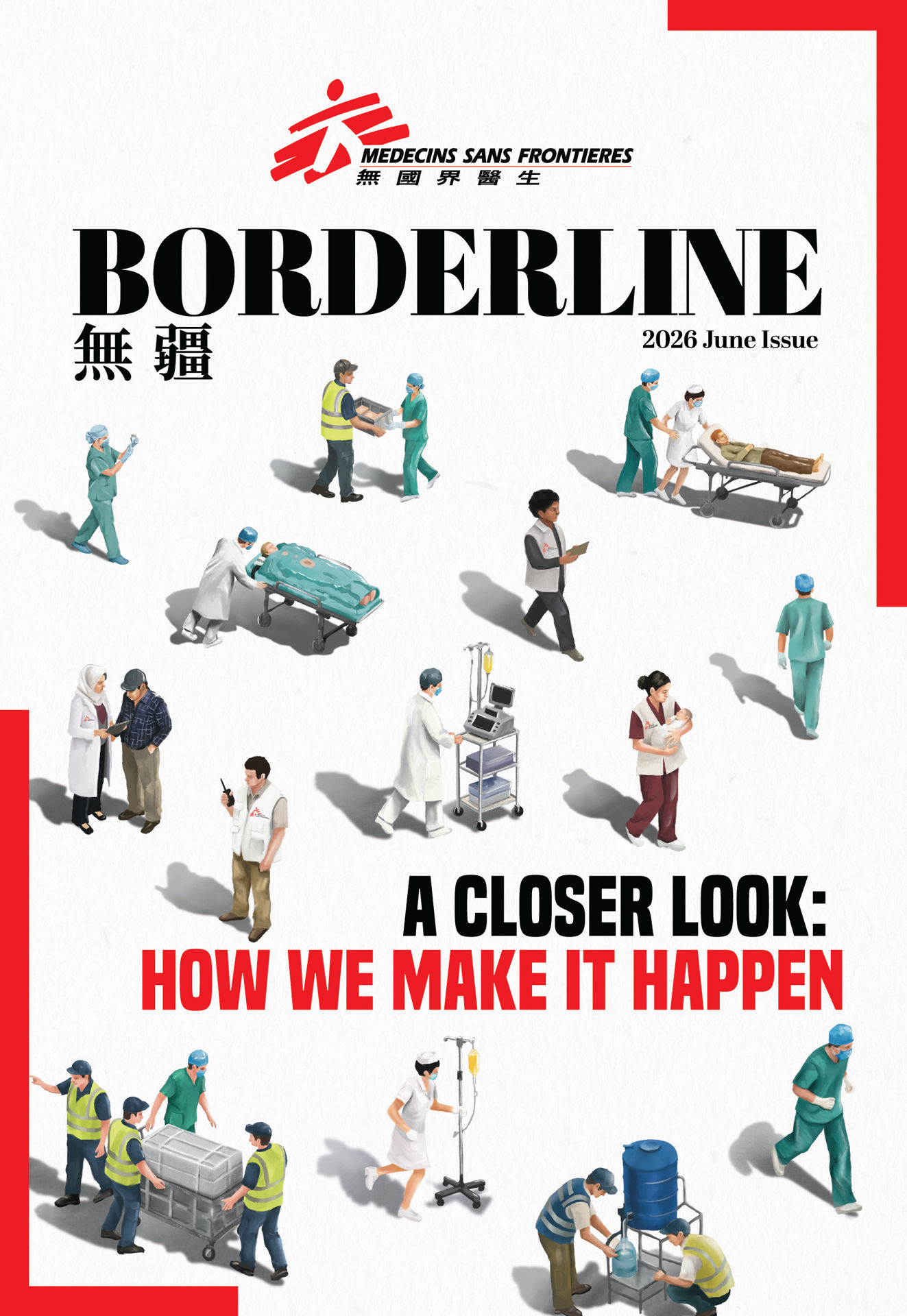
A Closer Look : How We Make It Happen
Borderline
25 Jun 2026
Preface
The Unseen Forces Of Lifesaving Work
Whenever “Médecins Sans Frontières” is mentioned, what comes to your mind?
A team of professional doctors working on the front lines,
field hospitals running around the clock
or the selfless, courageous, lifesaving actions amid crises?
Medical staff and healthcare facilities are undoubtedly a vital part of MSF’s works. Yet behind every response, there are people and forms of work that rarely make it into the picture. It is their presence, alongside the doctors and nurses, that makes it possible to keep a consistent commitment: providing medical humanitarian assistance to those most in need, wherever they are in the world.
As global instability intensifies, those stepping onto the front lines are not heroes, just aid workers who continue to do their utmost despite immense challenges. What sustains MSF’s work is people: medical and non-medical staff from diverse backgrounds and professions who remain committed in difficult places, supported by the donors and supporters who make that possible. Together, we enable MSF's medical humanitarian work to continue, and to save more lives.
Cover Story
MSF Is More Than Doctors
According to a recent survey we commissioned, many respondents felt that “a professional male doctor working on the front lines” best represented the image of MSF. That image captures something real: professional medical doctors are essential to our lifesaving work. But it tells only part of the story. Providing medical humanitarian assistance takes far more than medical staff alone. It takes a whole team with diverse professionals.
More than 65,000 staff work for MSF movement worldwide, supporting medical humanitarian projects and international headquarters offices in roles ranging from healthcare professionals to logisticians and administrative staff. While locally recruited personnel make up the majority of our workforce, thousands of international mobile staff are deployed on assignments each year. For example, in 2024, 45% of our international teams were medical and paramedical staff, including midwives, epidemiologists, and psychologists. The remaining were non-medical staff: project coordinators, supply chain officers, water and sanitation specialists, and others.
It is this broad range of expertise and dedication that enables our medical teams to deliver quality care on the front lines and save more vulnerable lives.
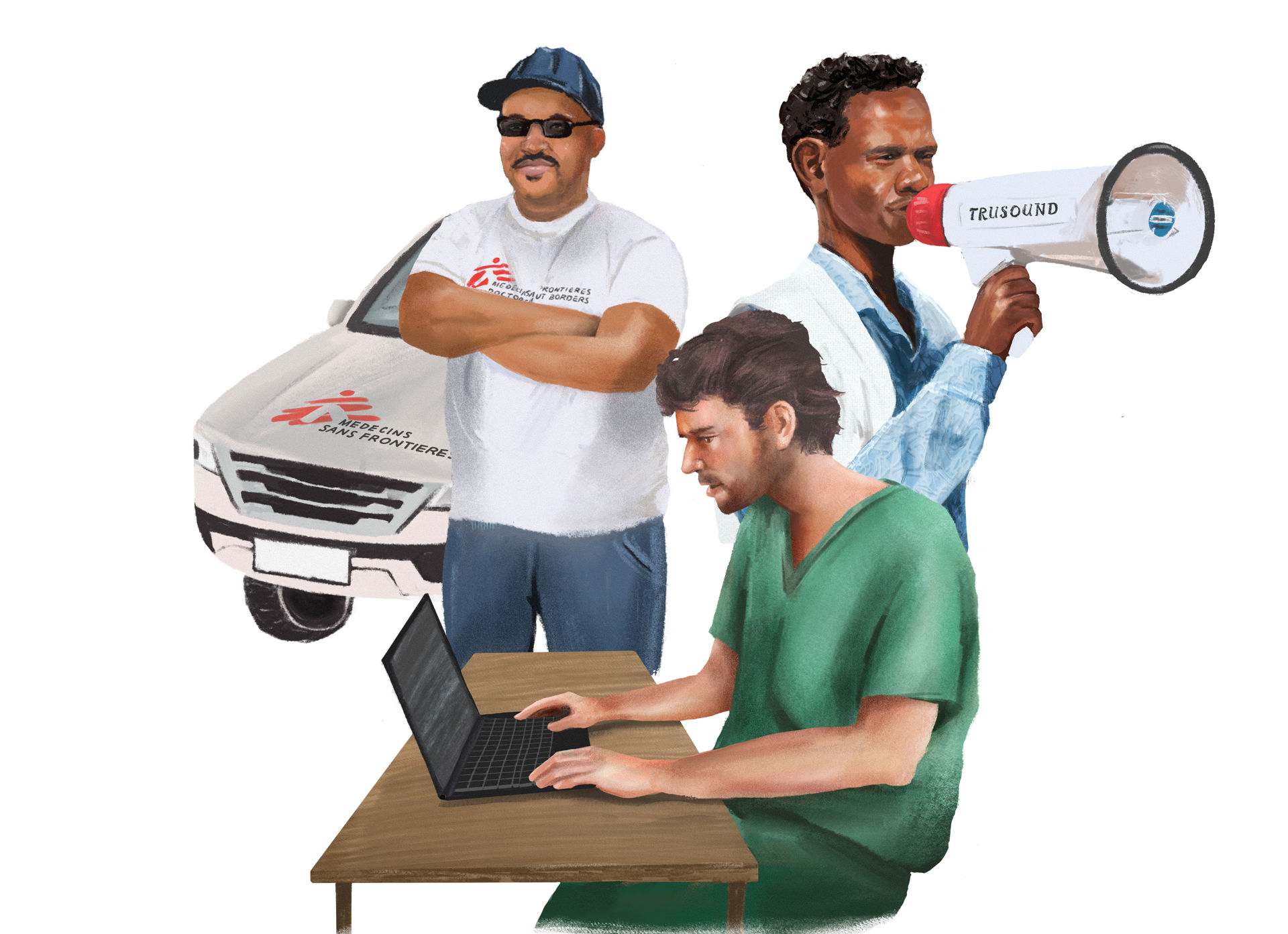
Driver
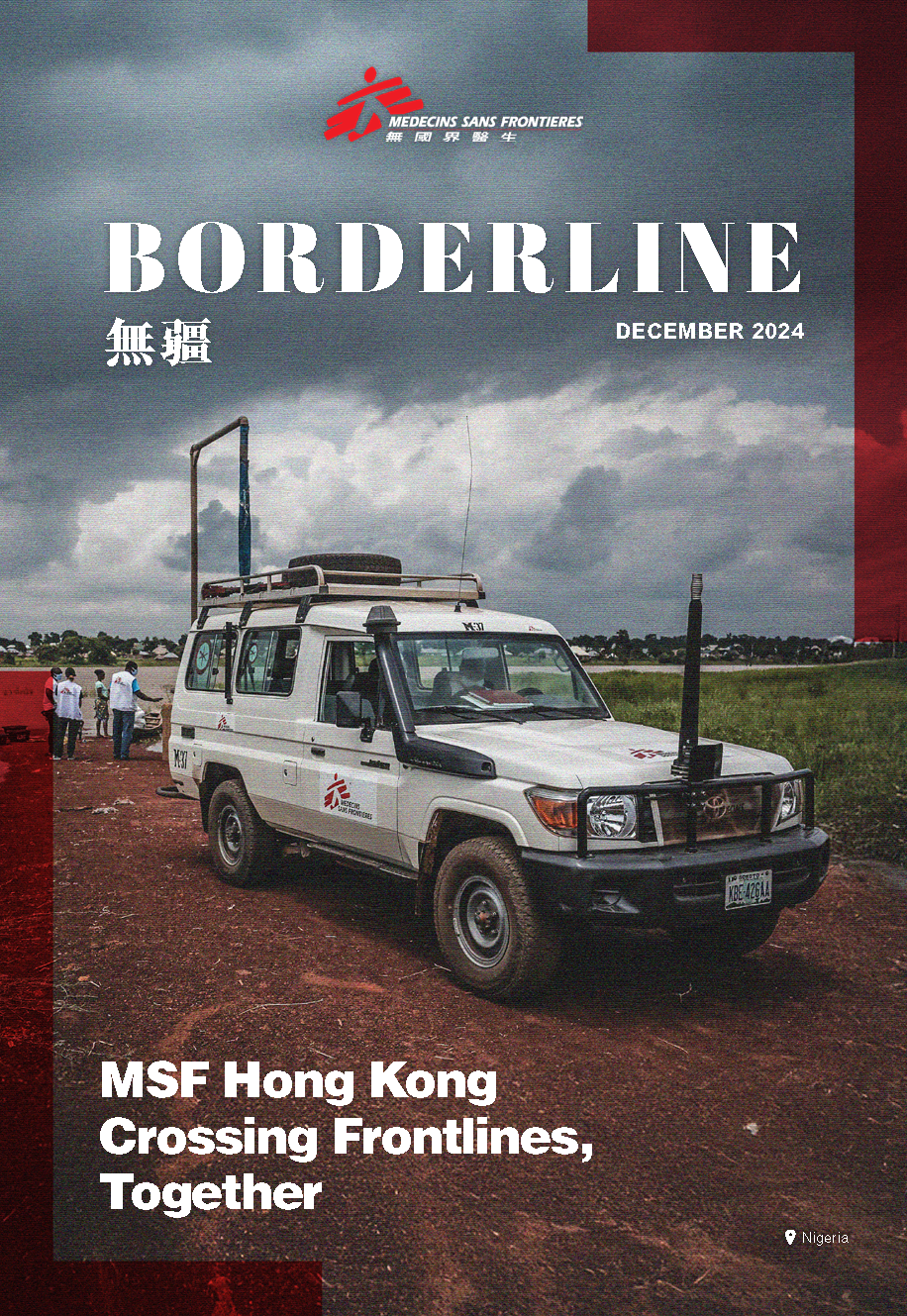
Vehicles are the backbone of any field operation. My job is to get medical staff and emergency supplies to where they are needed, on time, and to transport patients to hospital. But because we are constantly moving through communities, we are also MSF's most visible presence on the ground. People see the vehicle and recognise the organisation.
Health Promoter
I design and run community health education activities covering vaccination, cholera, HIV, malaria, and other priority health issues. The goal is to raise awareness of health risks and help prevent disease from spreading in the first place.
Epidemiologist
When an outbreak happens, I collect and analyse field health data to map how a disease is moving and spreading. I assess where it is, track where it is going, and advise on how we should respond and where to direct resources.
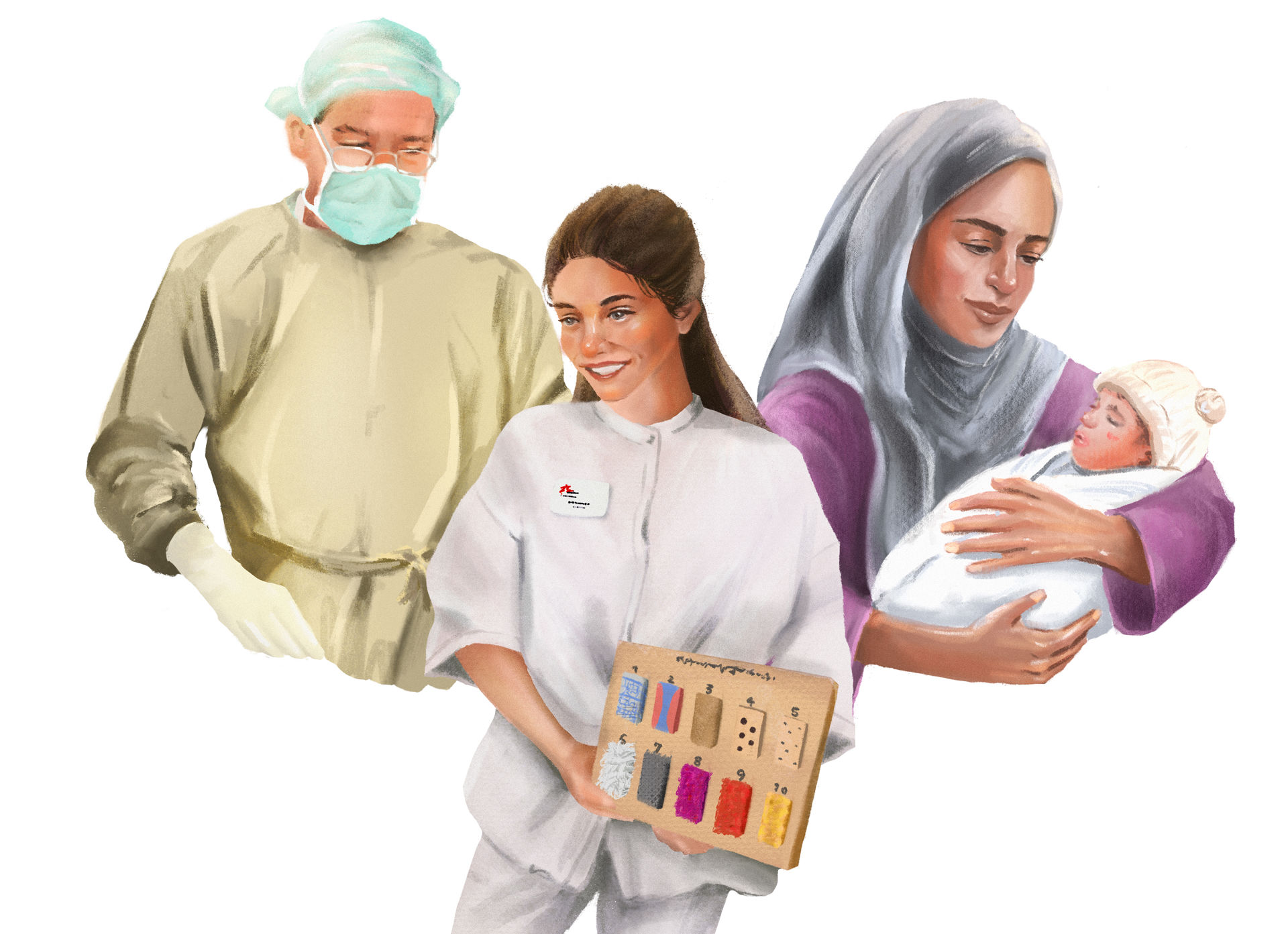
Midwife
I provide obstetric care to pregnant women and their newborns across the full continuum: antenatal, delivery, and postnatal. Ensuring the health of both mother and child is my primary responsibility. I also care for survivors of sexual violence and support prevention programmes for HIV and sexually transmitted infections.
Doctor
MSF doctors work across a range of specialisations: surgery, orthopaedics, obstetrics and gynaecology, anaesthesiology, infectious disease, paediatrics, and burns and reconstructive surgery, among others. Alongside direct patient care, we train local medical staff to strengthen healthcare capacity that will outlast our presence.
Mental Health Specialist
I manage mental health programmes for populations affected by emergencies such as natural disasters, sexual violence, HIV, and other chronic conditions. Supporting people through trauma and helping them cope is the core of the work. We also train local counsellors so that communities have ongoing access to psychological and psychosocial support.
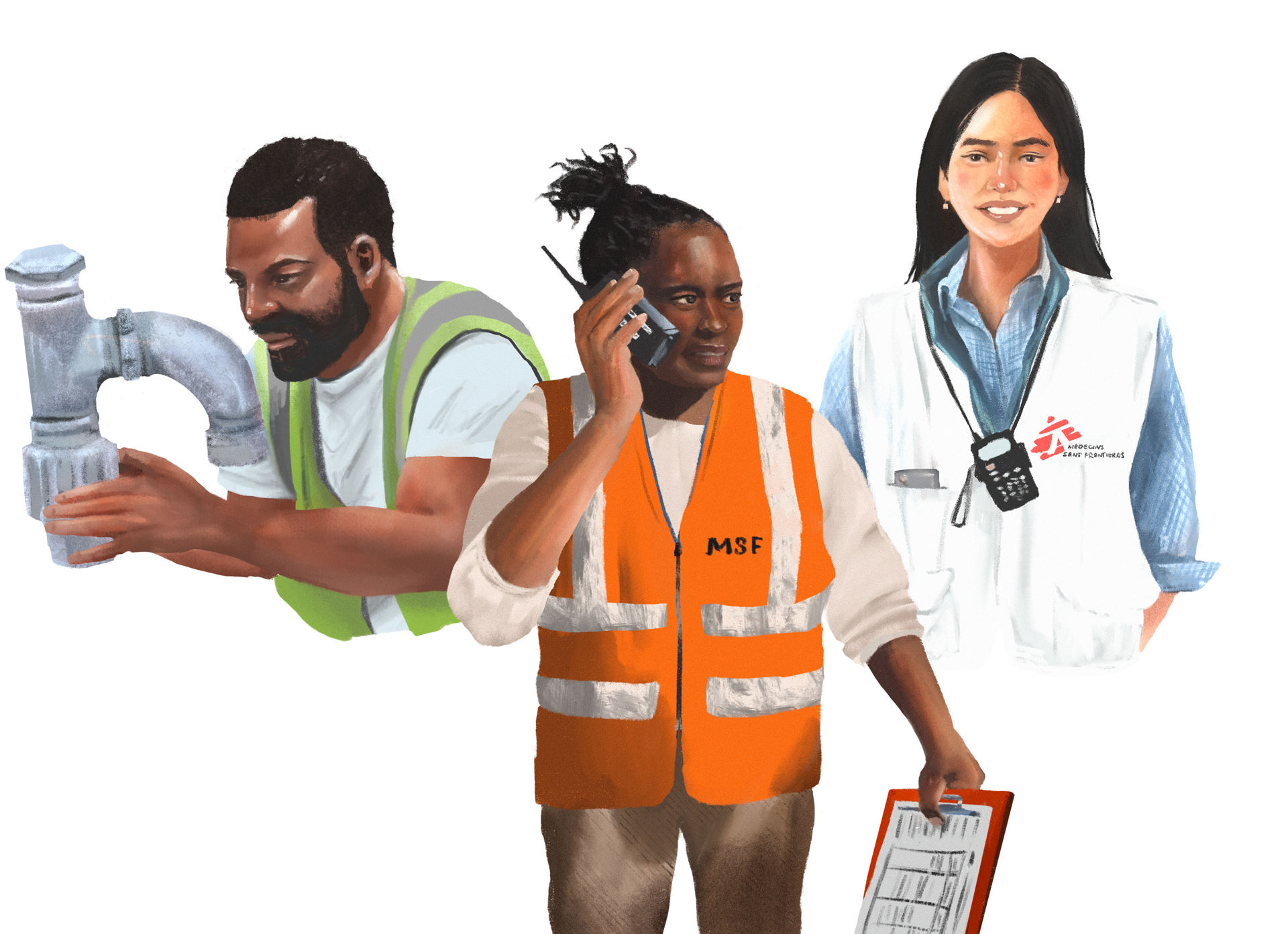
Water and Sanitation Specialist
I set up and maintain reliable water supply systems and waste management facilities and distribute clean water to communities where basic services have broken down. Alongside this, I put in place rigorous hygiene and infection prevention measures to stop disease outbreaks before they take hold.
Logistician
In environments where infrastructure has collapsed, I make sure field operations have what they need to function: setting up field hospitals, managing cold chains for medicines, coordinating vehicle fleets, and moving supplies. Everything the medical team needs to do their work, I work to make possible.
Project Coordinator
I oversee the entire operation. That means coordinating across medical, logistics, administration, human resources, and finance, all at once. I also manage security, and handle negotiations and communication with local authorities and all project stakeholders. My job is to ensure the medical humanitarian response running.
Cover Story
MSF Works Far Beyond Hospitals
When conflict erupts, disaster strikes, or disease spreads, MSF remains on the front lines, providing emergency assistance to people in need. As an international medical humanitarian organisation, healthcare is at the core of what we do, and hospitals are often where our efforts are anchored. However, our response has never been confined to treating patients within four walls. This time, we take the lens beyond medical facilities to show a broader picture of our lifesaving efforts.
These activities may not carry the same immediacy as emergency surgery, but they are no less urgent. In many cases, they save even more lives. Hospitals may serve as important bases for our medical work, but they are never the limit of our action.
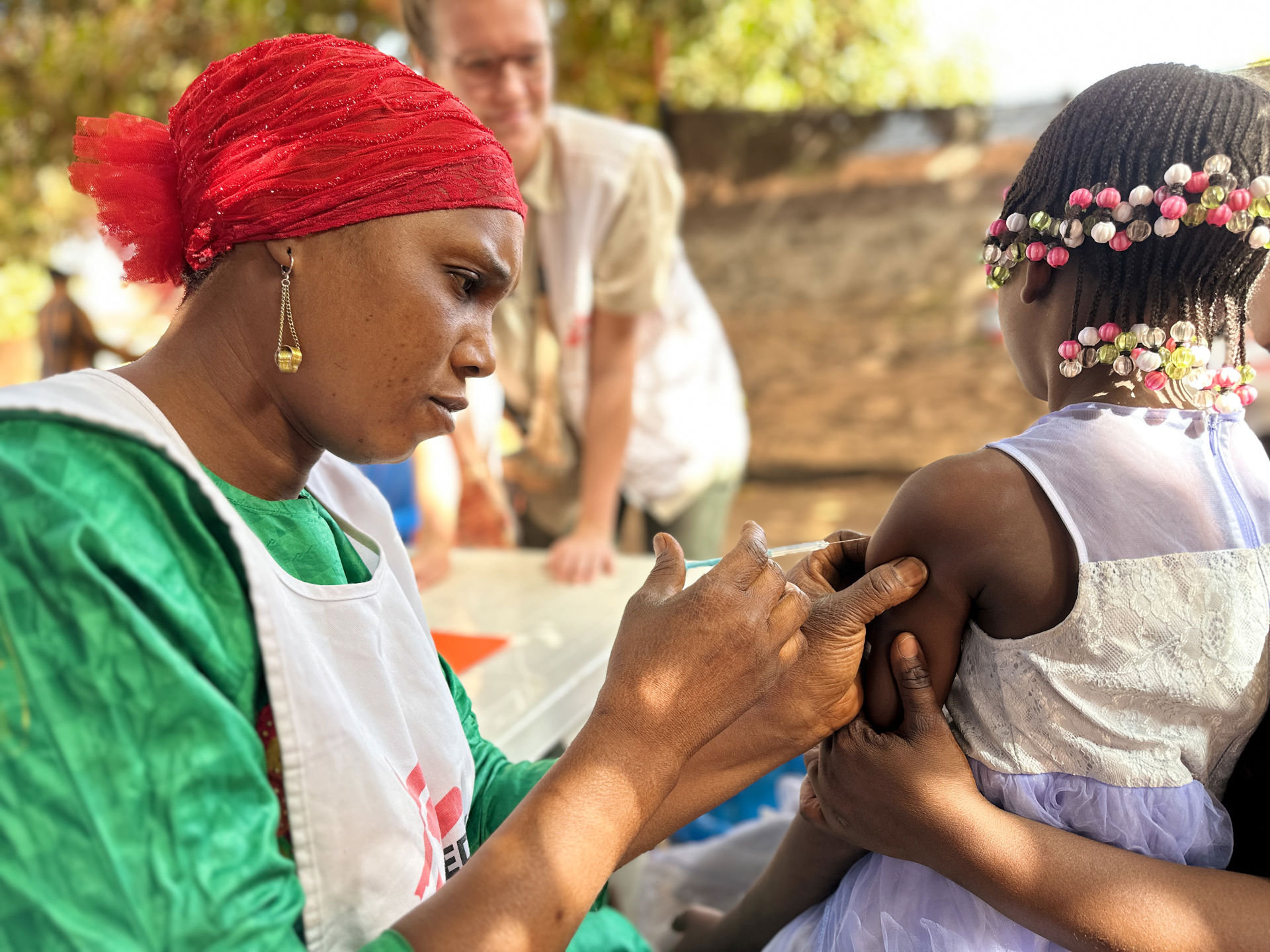
Vaccination
Vaccination is one of the most effective ways to prevent disease outbreaks. However, in conflict zones and low resource settings, supply chains are fragile, cold storage is unreliable, and reaching dispersed communities is a logistical challenge. Each year, MSF vaccinates millions of people against diseases, as well as delivering routine immunisation programmes. In addition, we also push for equitable vaccine distribution globally, so that vaccines reach the people who need them rather than remaining concentrated where supply is easiest.
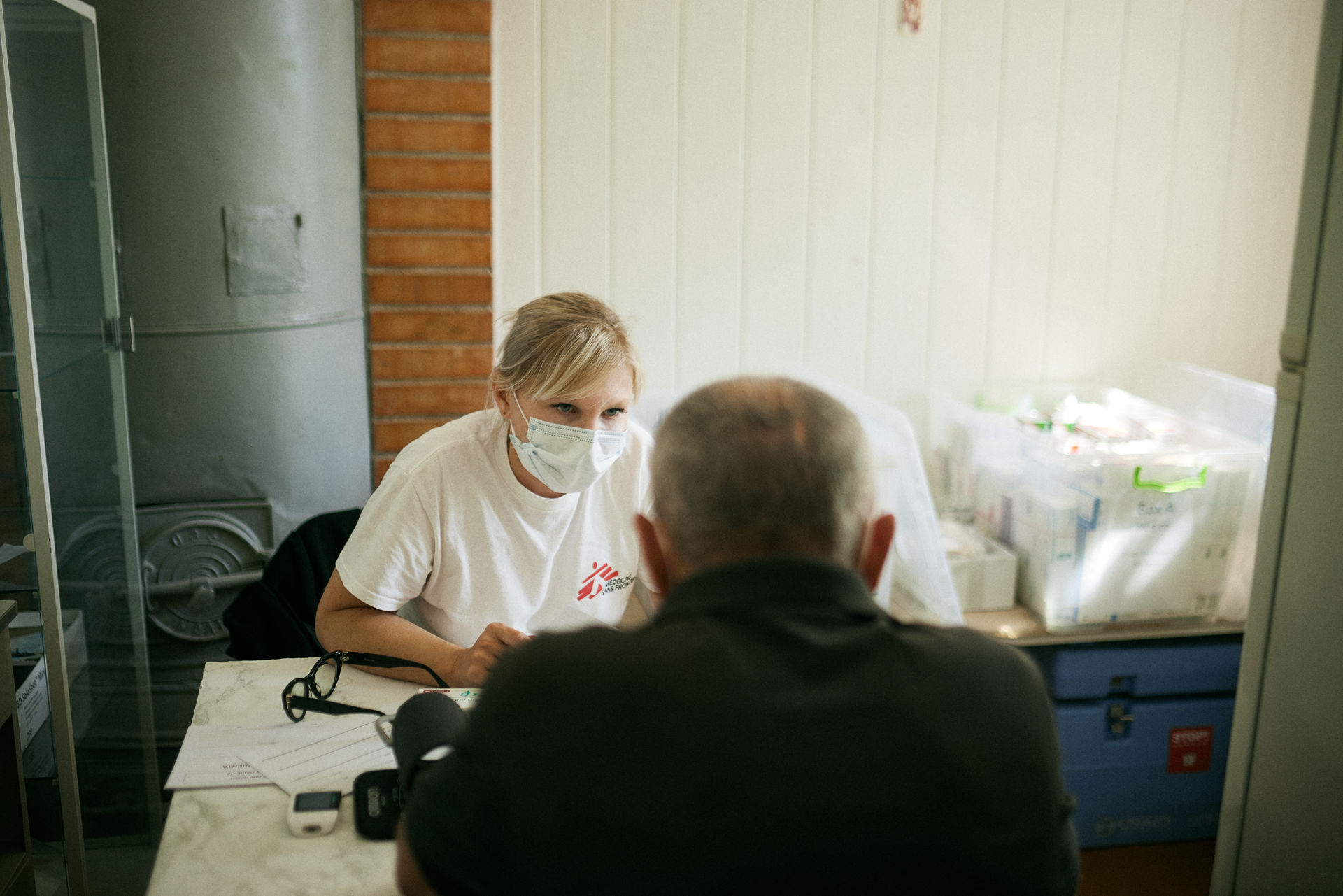
Mental Health Support
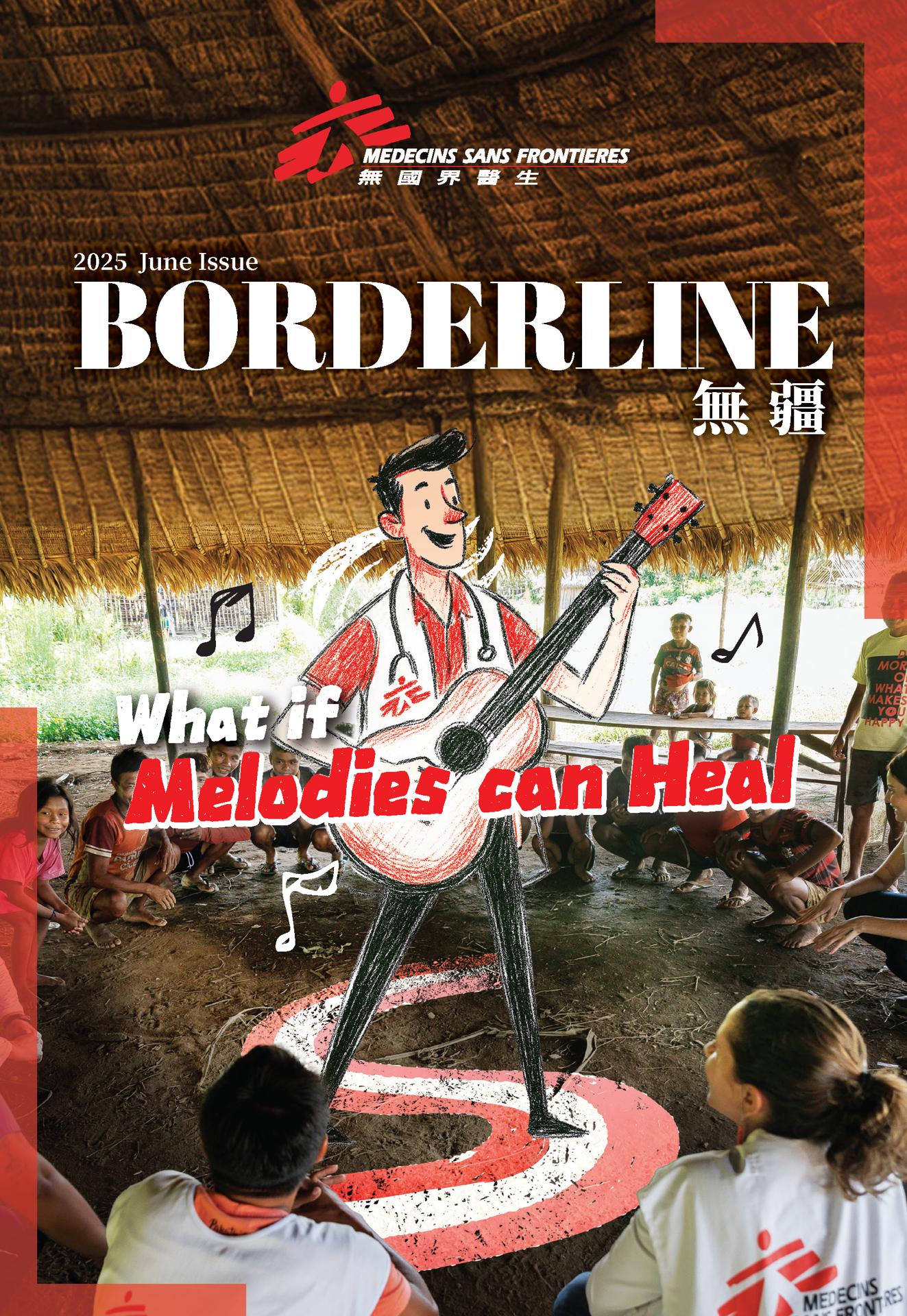
People caught in humanitarian crises face more than physical health issues, they also experience a psychological toll, including anxiety and trauma. MSF provides mental health and psychosocial support through individual counselling, group sessions, and community-based activities. This helps people manage trauma, distress, and the weight of what they have been through.
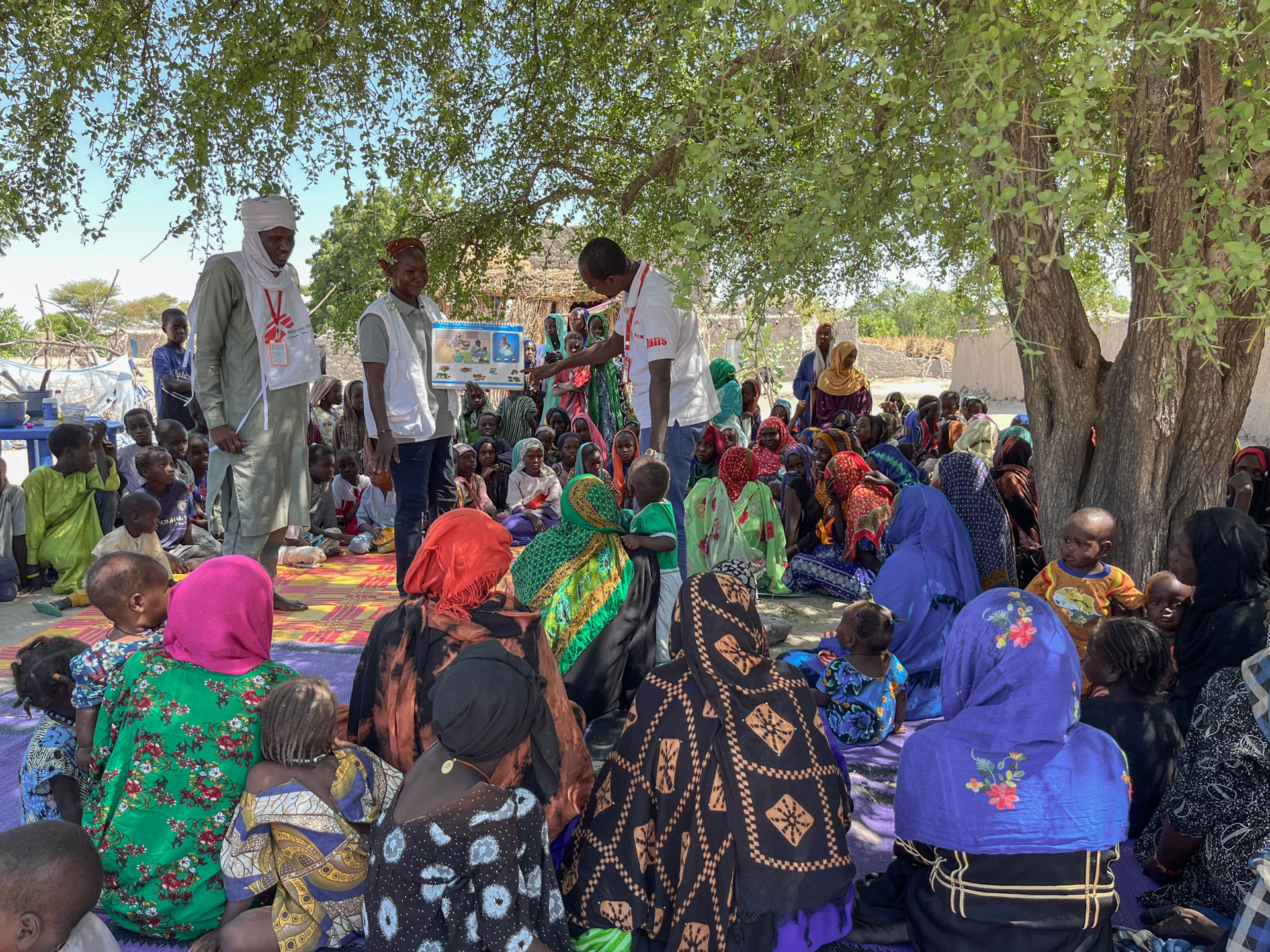
Health Promotion
Health promotion serves as a vital bridge between medical teams and communities. Through group talks, individual conversations, posters, and community events, we share information on hygiene, disease prevention, transmission, and treatment. Our aim is to improve health knowledge and behaviour in crisis-affected areas over the long term.
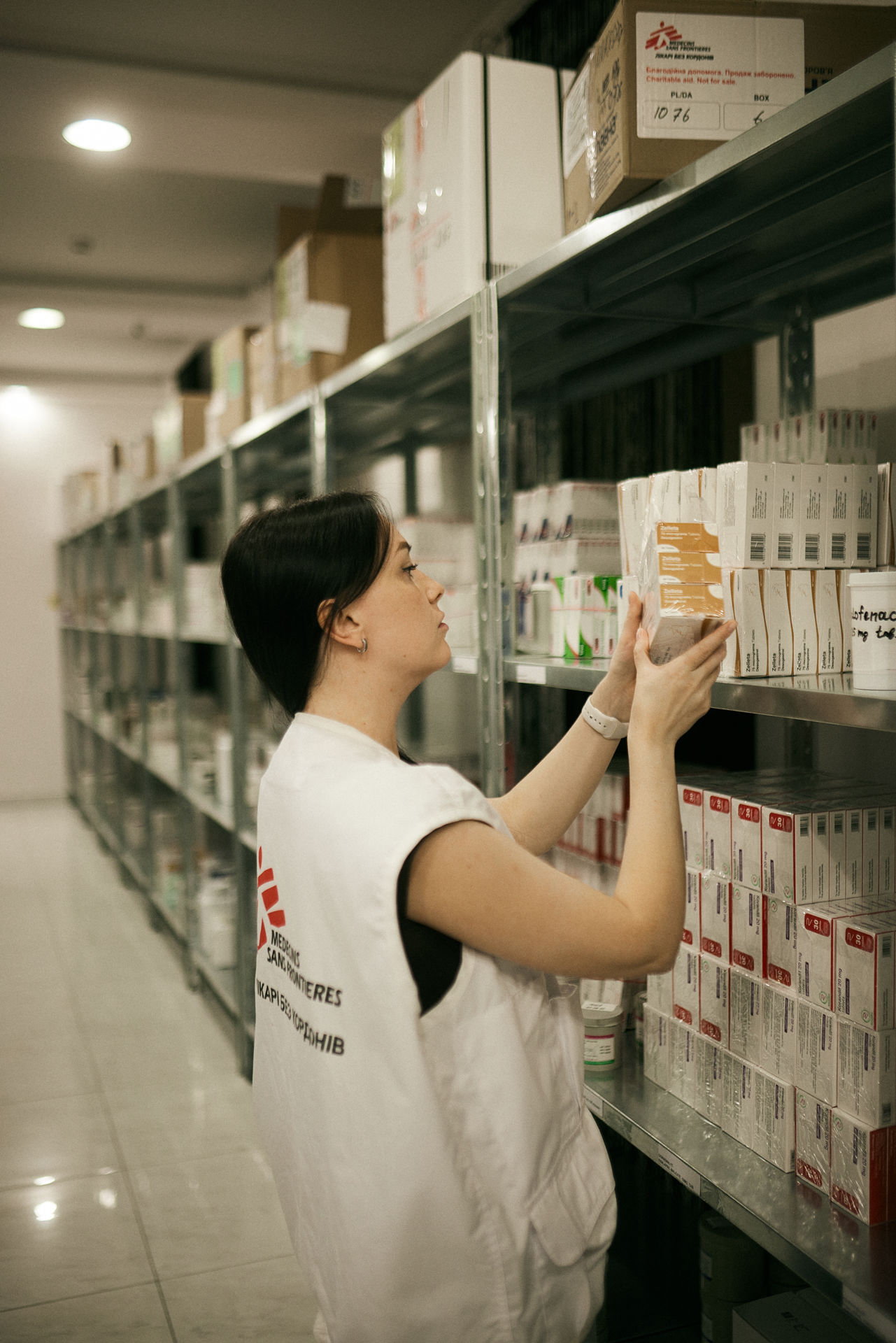
Access to Medicines
The campaign advocates for medicines to be accessible, reasonably priced, and distributed, so that the patients we treat can actually receive the care that exists for them.
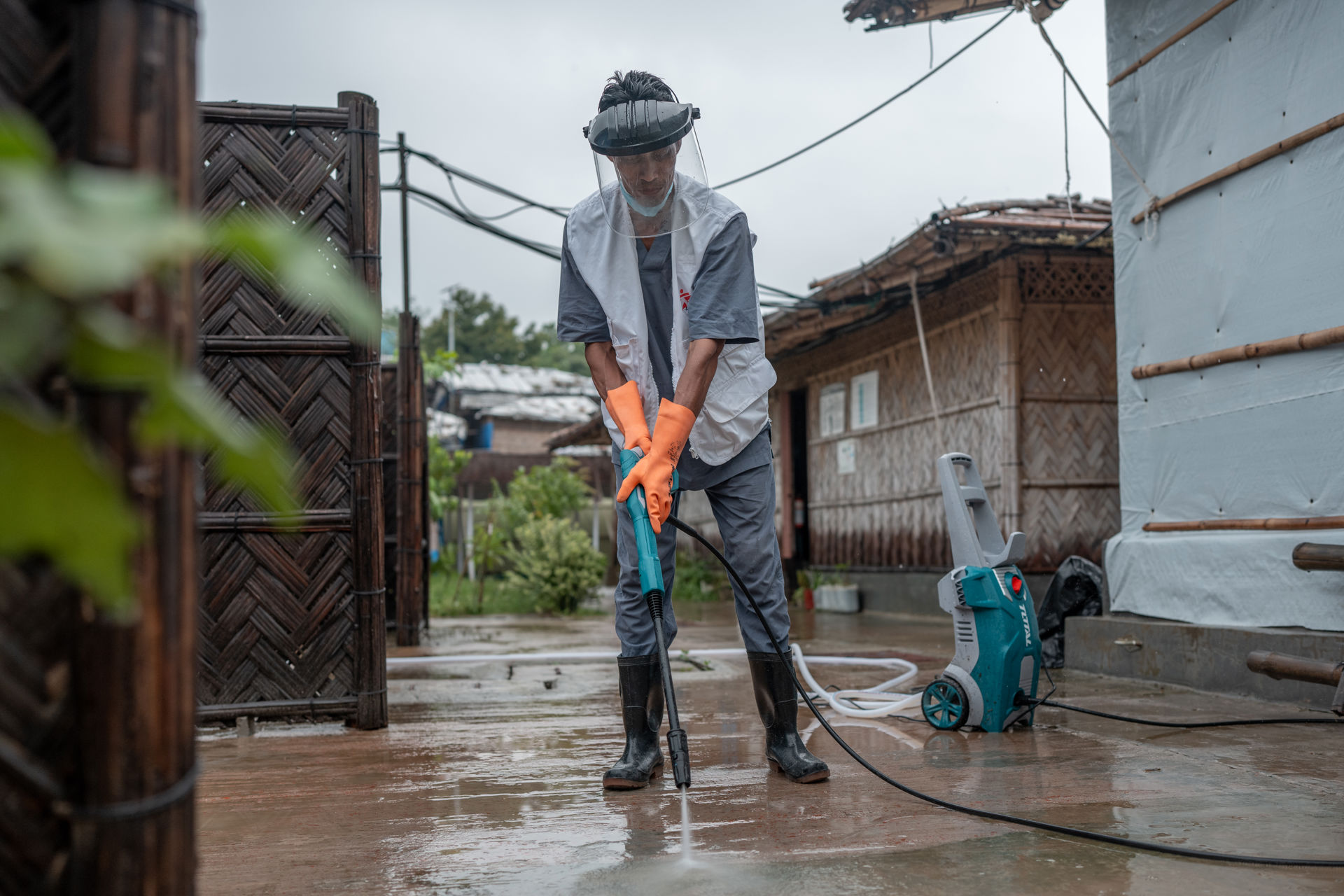
Water, Sanitation and Hygiene
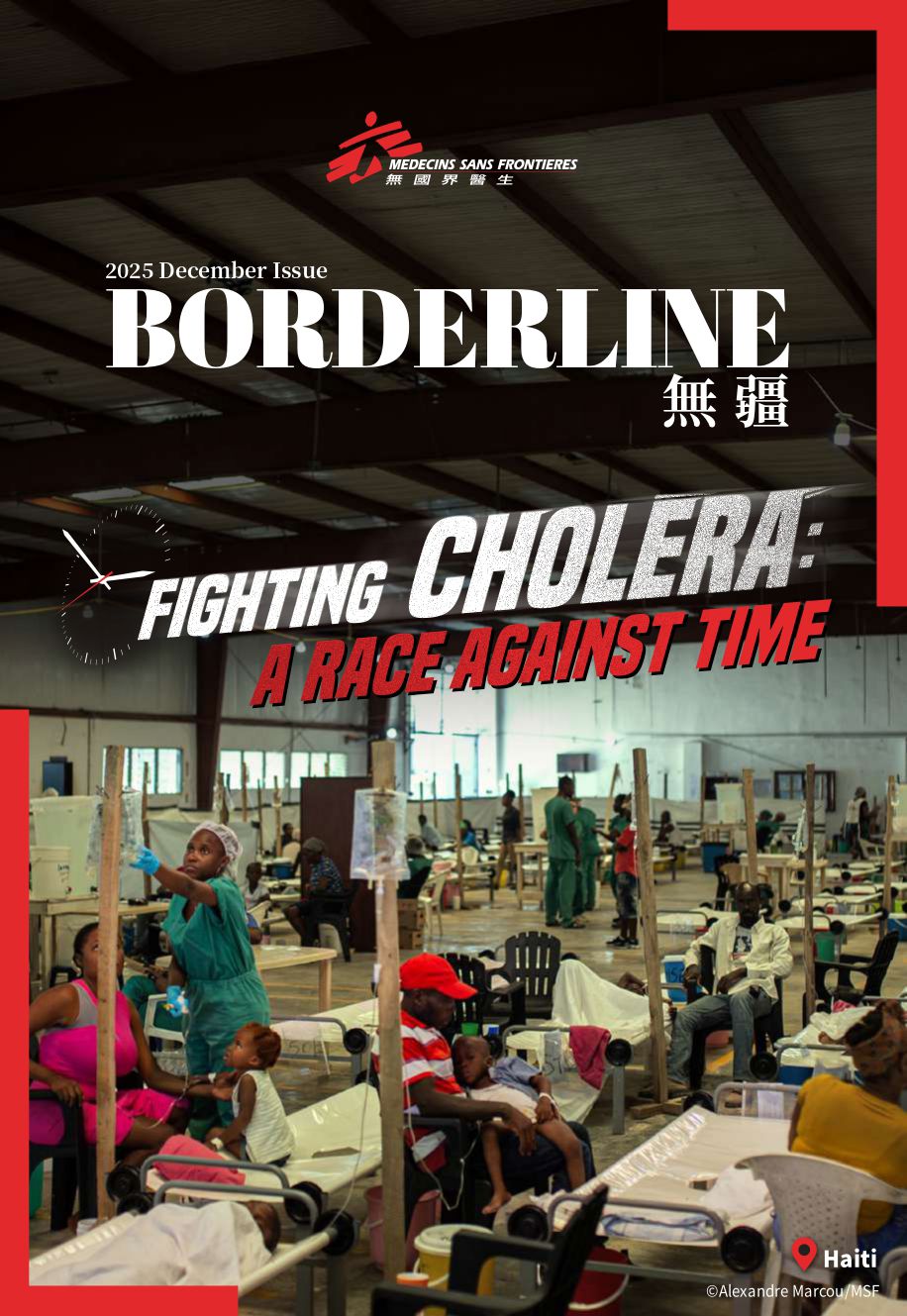
Clean water and adequate sanitation are not optional. When water sources are contaminated, communities face the immediate risk of waterborne diseases such as cholera. Our water and sanitation projects include identifying or purifying safe water sources during outbreaks, repairing damaged water infrastructure or building temporary facilities after natural disasters, and managing emergency drinking-water supplies. On the sanitation side, we build latrines, showers, and waste management systems in affected areas and refugee camps.
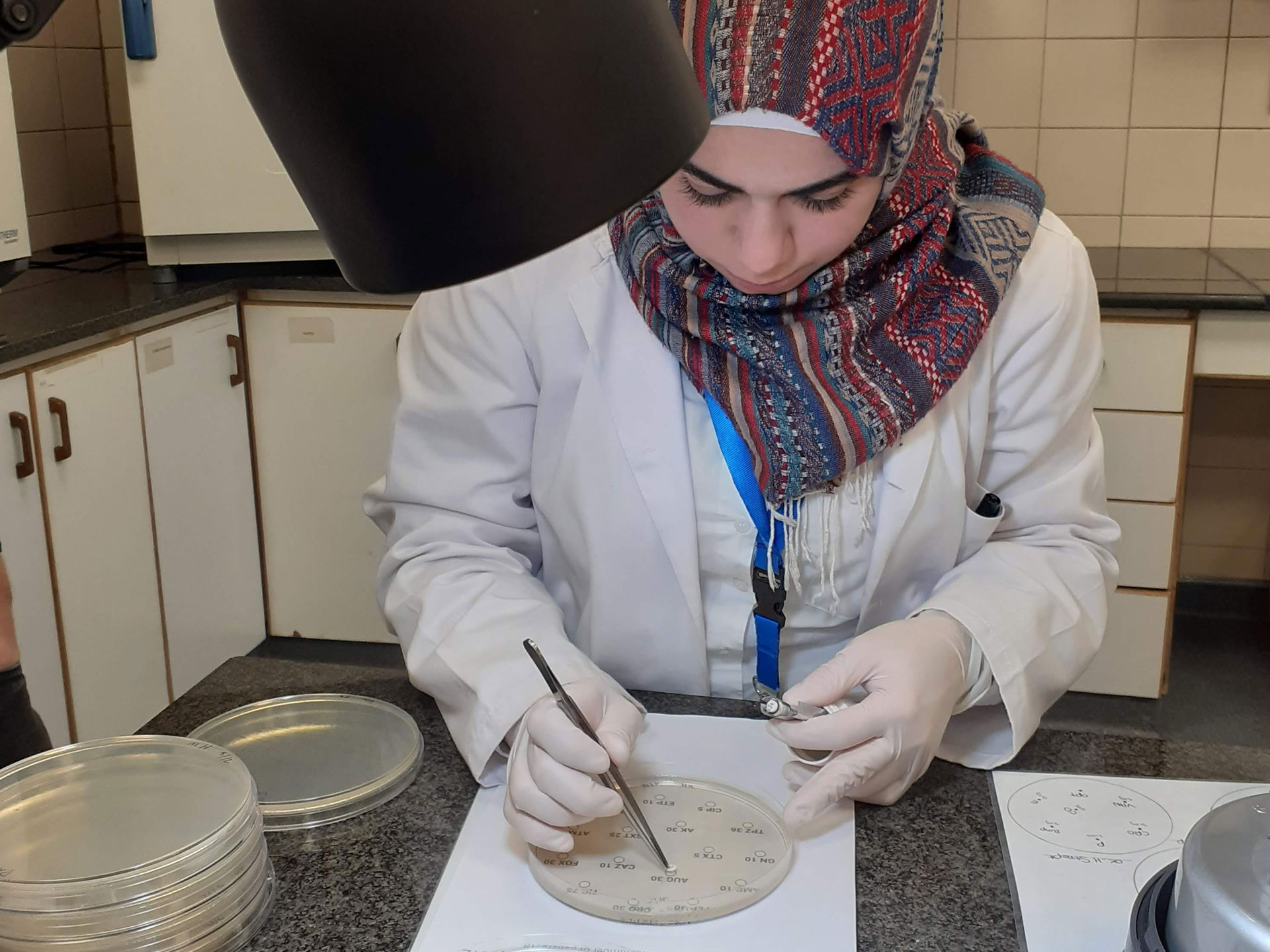
Technology and Innovation
MSF enhances the capacity and quality of frontline medical care through innovative technologies.These include the development of the mobile application Antibiogo, which uses image processing and AI to read antibiotic susceptibility tests and assess antibiotic resistance; the e-CARE application, which applies clinical algorithms to improve paediatric diagnosis and treatment; and AI-powered image recognition software—supported by a database of 380,000 snake images—helps healthcare workers rapidly identify venomous snakes, enabling appropriate treatment for snakebite patients.
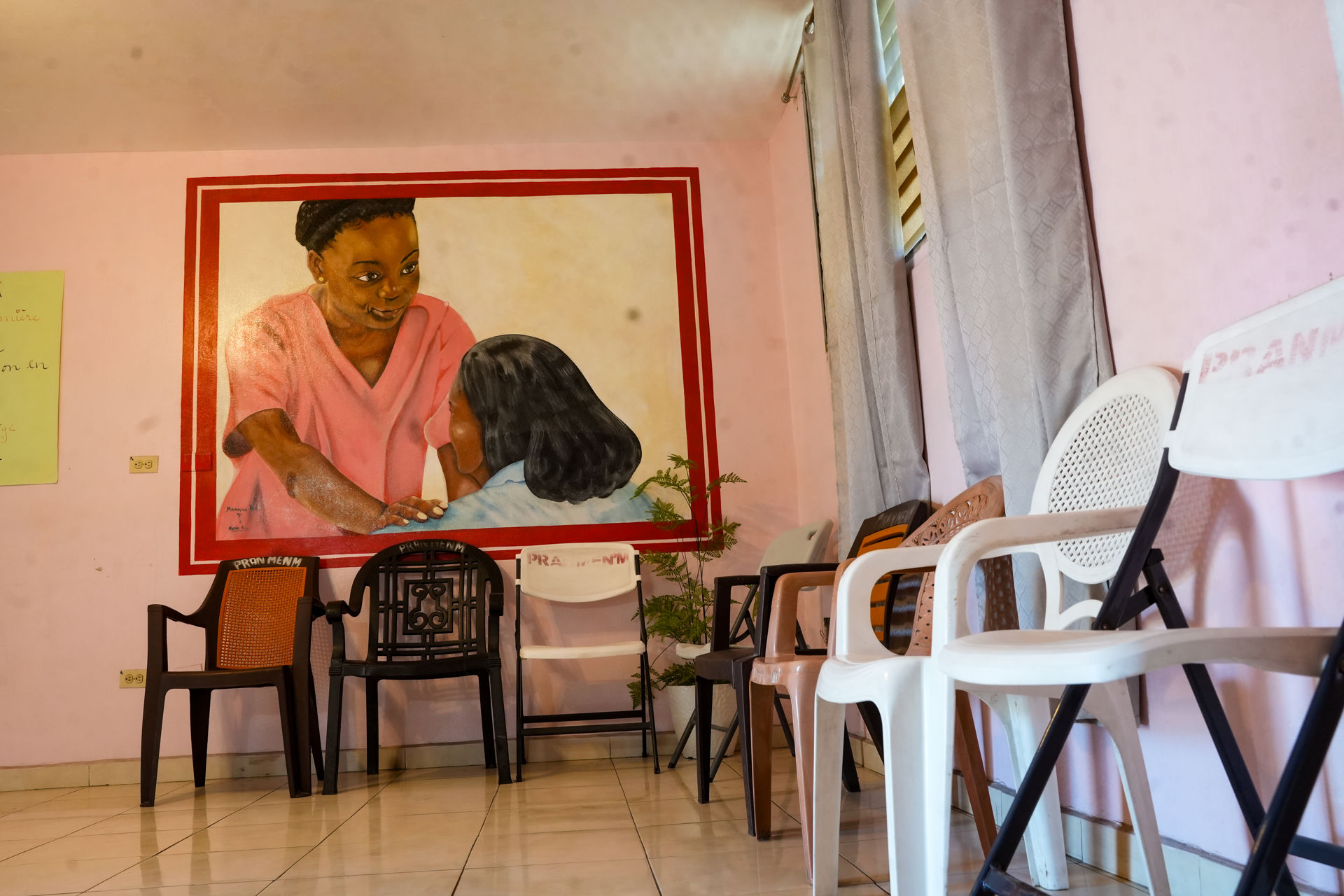
Sexual Violence Support
Sexual violence is particularly prevalent in conflict and other humanitarian crises, and it is a medical emergency. The 72 hours following an assault are critical for preventing HIV transmission and unwanted pregnancy. MSF provides survivors with comprehensive medical care including treatment of physical injuries, emergency contraception, psychological first aid and referrals for further support.
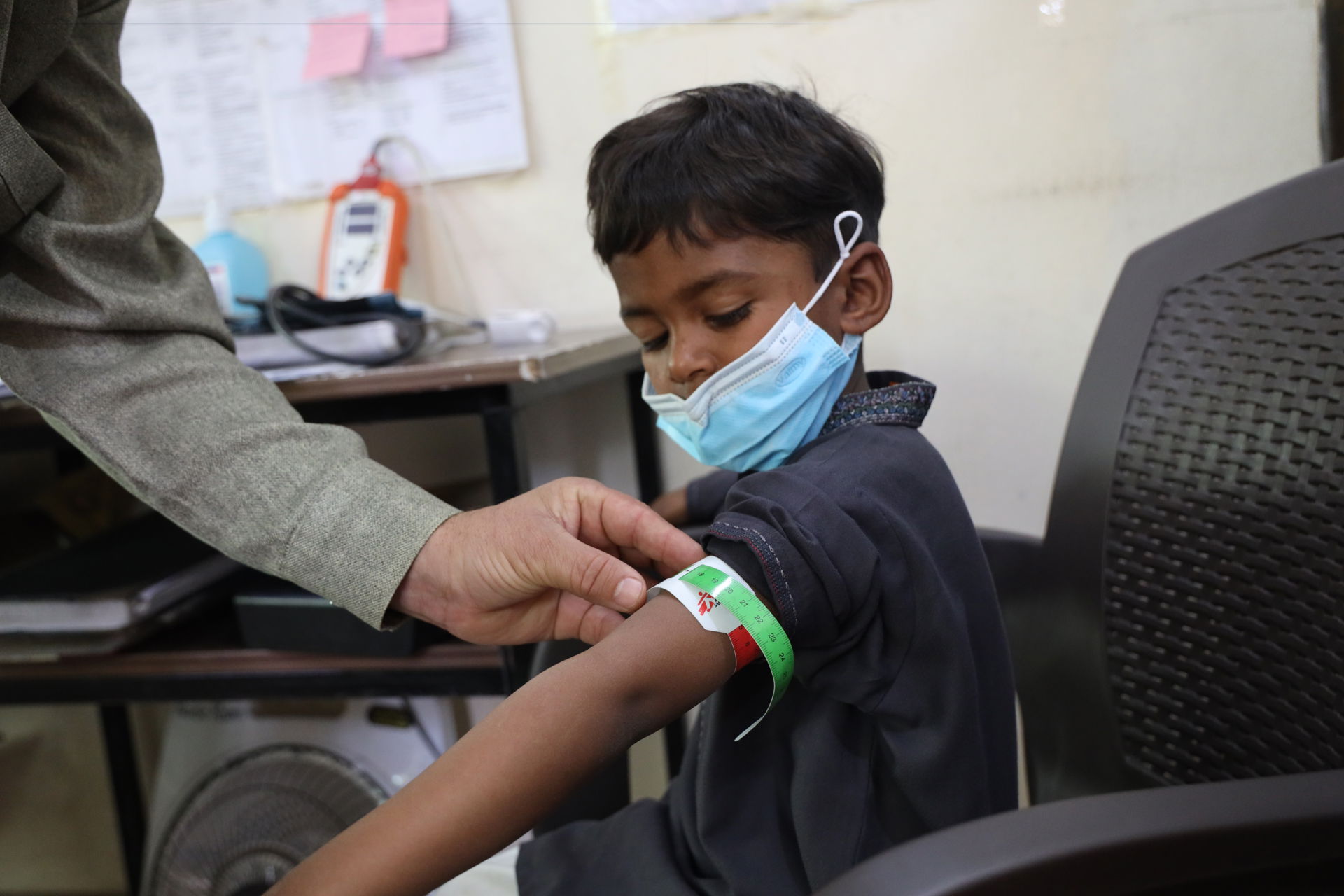
Nutritional Assessment and Treatment
Malnutrition weakens a child's immune system, leaving them vulnerable to illness and infection. MSF begins with simple mid-upper arm circumference (MUAC) screening to quickly assess nutritional status. Then, we distribute ready-to-use therapeutic food and provide outpatient or inpatient feeding programmes based on the severity of malnutrition.
Cover Story
MSF Is Not A Hero
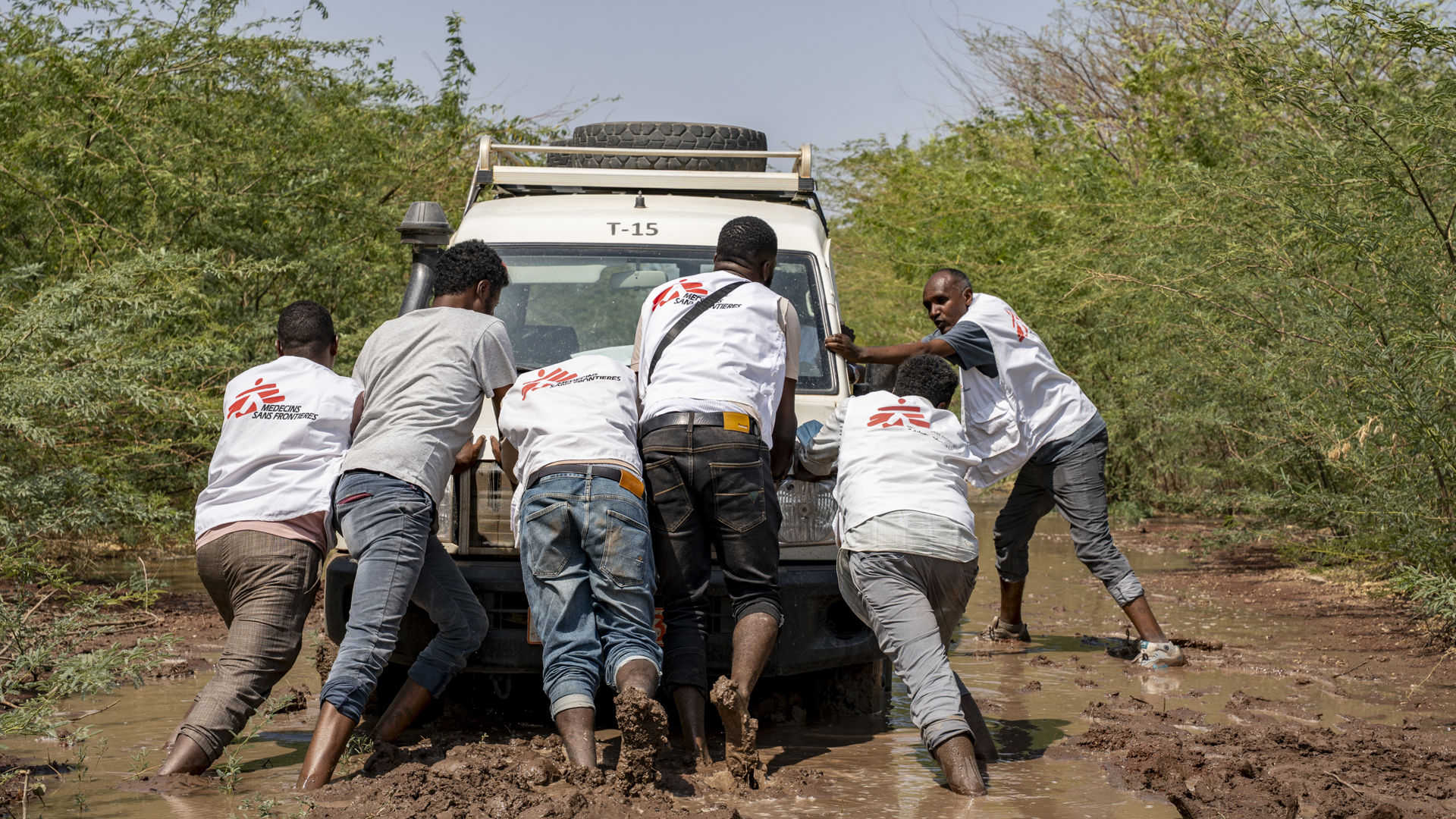
Lifesaving work has its limits. So do the aid workers who carry it out. In more than 70 countries where MSF provides assistance, we constantly encounter challenges and constraints that cannot simply be overcome by effort or commitment alone.
First, there are security concerns. We can only work where we can operate safely and where all parties and relevant authorities extend us at least a basic level of respect. When violence becomes too intense, or when humanitarian operations are restricted, we are unable to enter to provide assistance. In some cases, healthcare is attacked to such an extent that we must suspend our operations and evacuate.
Second, there are capacity constraints. We have also faced shortages of staff or medical supplies while working in multiple crisis zones.We also cannot meet the enormous humanitarian needs on our own or fill every gap in healthcare.
Additionally, our action remains independent, neutral and impartial, free from political or religious powers. While this may sometimes give the impression that our lifesaving work is “not going far enough”, it is precisely these boundaries that enable us to preserve one of the few remaining humanitarian spaces between all parties, allowing us to continue providing assistance.
MSF has never been the protagonist of a heroic story, but rather a group that acknowledges our limits and chooses to act anyway. Most of the time, all we can do is our utmost.
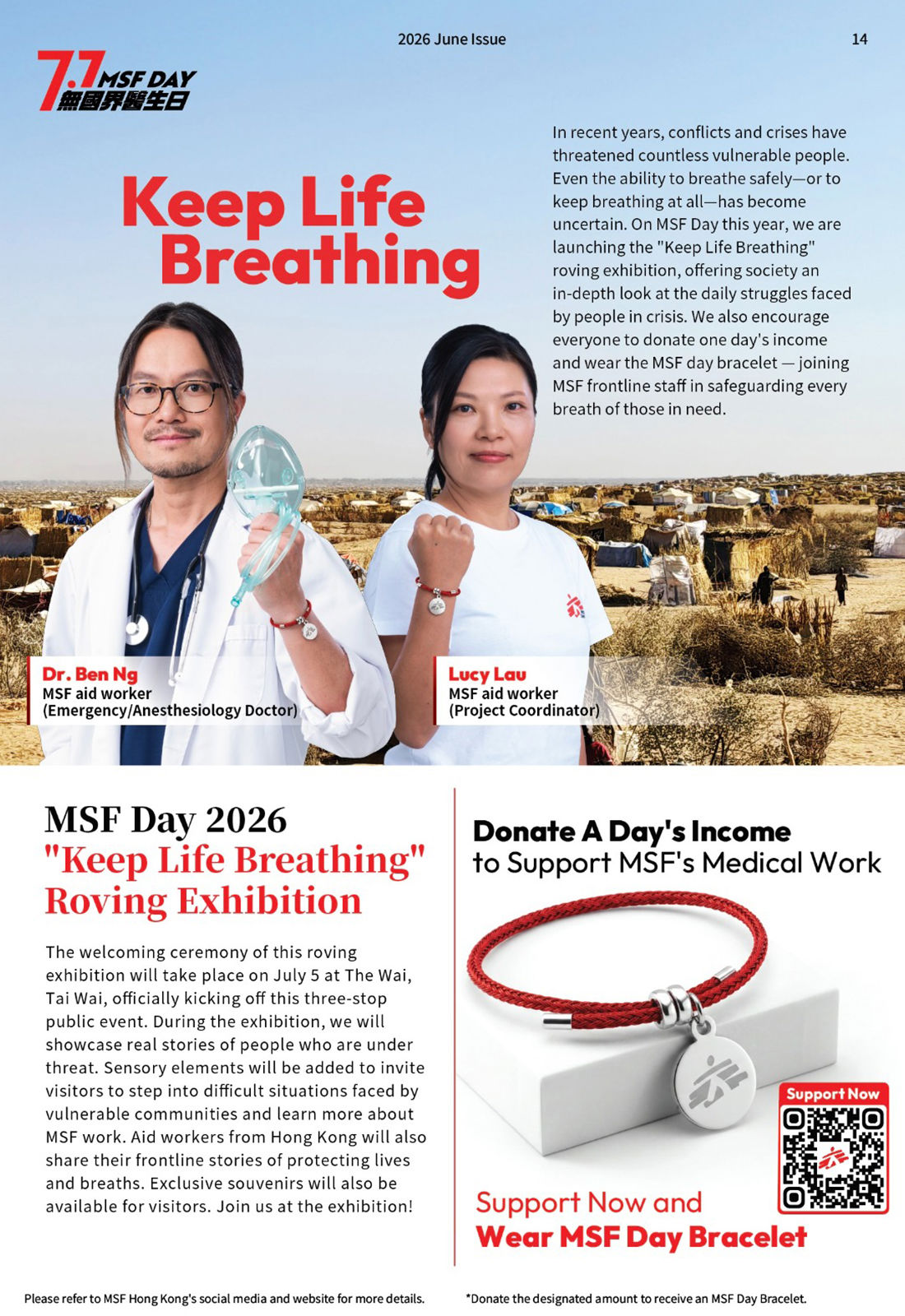
And we need every supporter and donor alongside us, to keep life breathing.
Restrictions on humanitarian action
In recent years, as global conflicts have escalated, the medical humanitarian needs have grown significantly. Yet the humanitarian space continues to shrink. MSF’s operations are often restricted by the blockade of humanitarian aid, administrative barriers, bureaucratic obstruction or mass evacuation orders
Gaza: In 2025, Israel implemented strict new registration rules and MSF declined to provide staff information because of safety concerns. As a result, since January this year, we have been blocked from bringing international staff and additional supplies to Gaza. After that, all international staff were forced to leave. MSF's medical facilities are facing severe shortages of medicine and medical equipment.
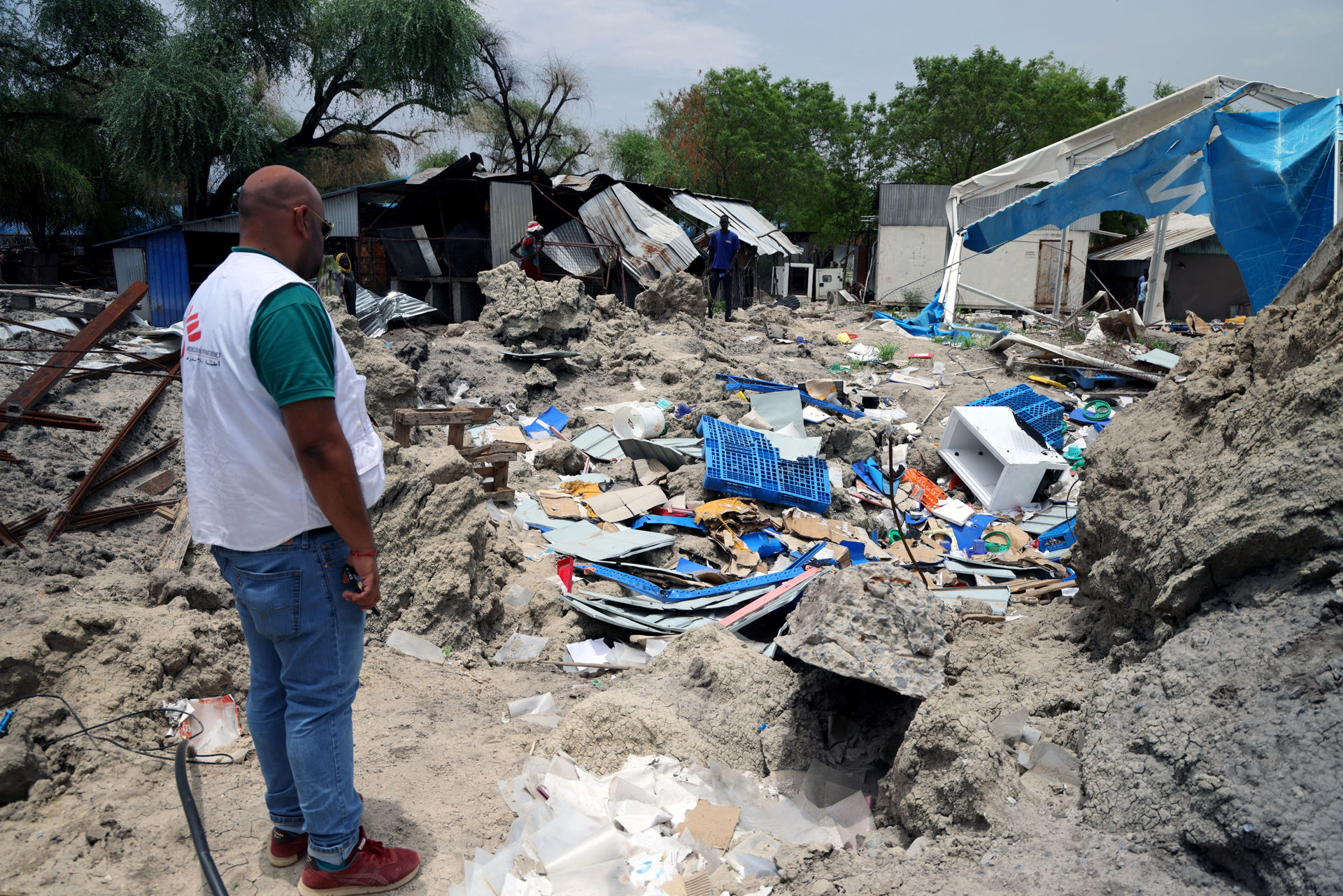
South Sudan: Since late 2025, South Sudanese authorities have continuously restricted humanitarian operations in parts of Jonglei State. This has prevented the delivery of medical supplies to MSF Hospital in Lankien and primary healthcare centre in Pieri. Operations were later suspended following the attacks on medical facilities.
Attacks on medical care
Recorded attacks on healthcare in armed conflict have reached the highest levels in recent years. In 2025, the World Health Organization's Surveillance System for Attacks on Health Care recorded 1,348 attacks on medical facilities, resulting in 1,981 deaths. Healthcare workers also face injuries, abductions and threats of violence. Over the past decade, 21 MSF staff members were killed in 15 incidents. The immediate consequence of attacks on a medical care is casualities. In longer-term, communities lose access to the life-saving care.
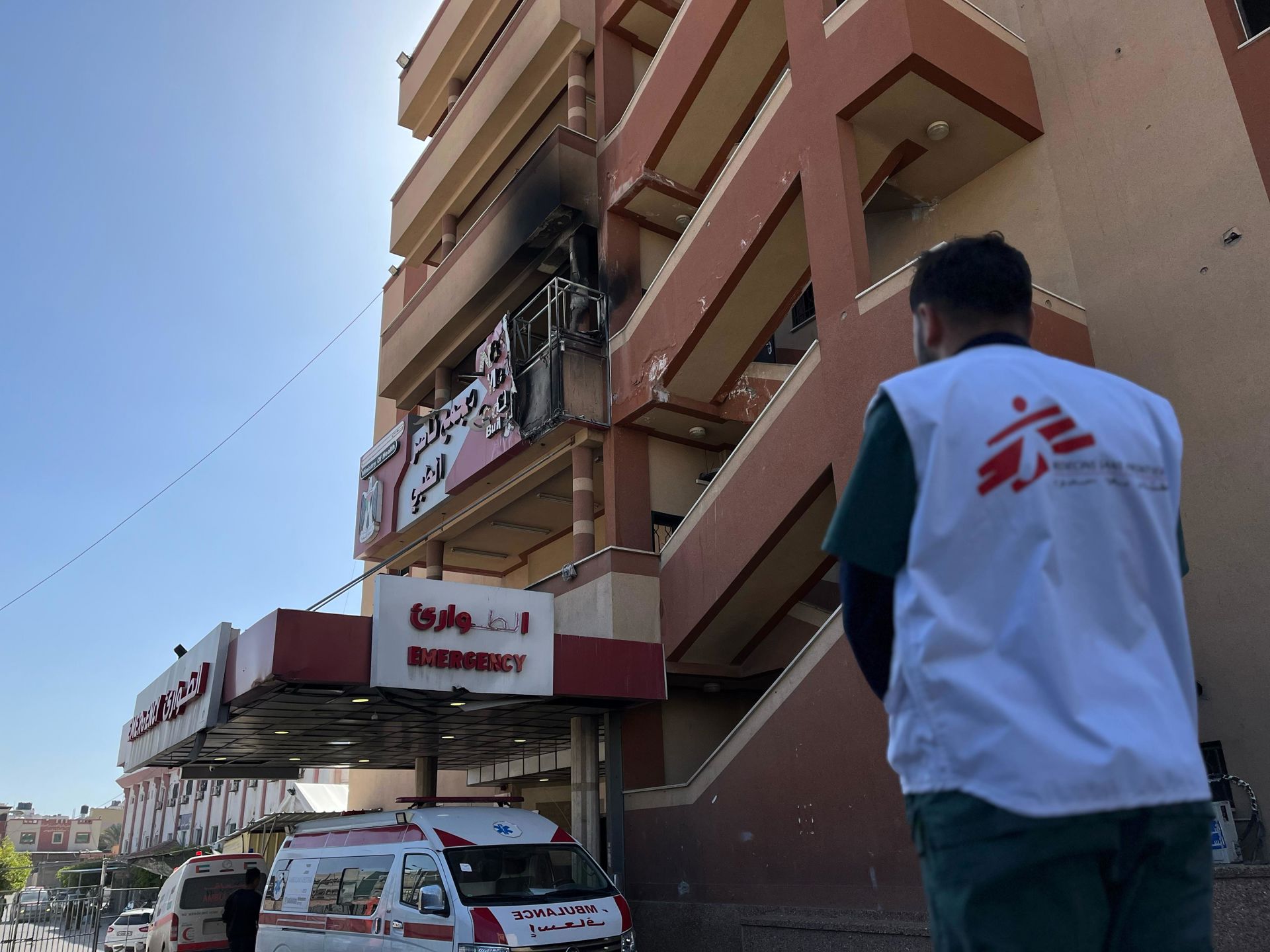
Recent incidents of attacks on healthcare services:
- Haiti, Port-au-Prince 2024
At least two patients were executed after an MSF ambulance was stopped by members of a self-defence group and police officers. MSF staff in the ambulance were violently attacked and held against their will. - Myanmar, Northern Rakine State 2024
An MSF-supported hospital was hit by a drone strike. - Sudan, El Fasher 2024
Over 80 days, 10 attacks on hospitals were recorded, resulting in at least nine deaths and 38 injuries. - Gaza, Nasser Hospital 2025
Israeli forces targeted the hospital’s inpatient surgical department, killing two people, injuring several others, and causing severe damage to the building. - South Sudan, Lankien 2026
MSF hospital was hit in an airstrike by the government of South Sudan forces during February. The hospital’s main warehouse was destroyed during the attack, and MSF lost most of the critical supplies for providing medical care.
Borderline
Voices Of Frontline Workers
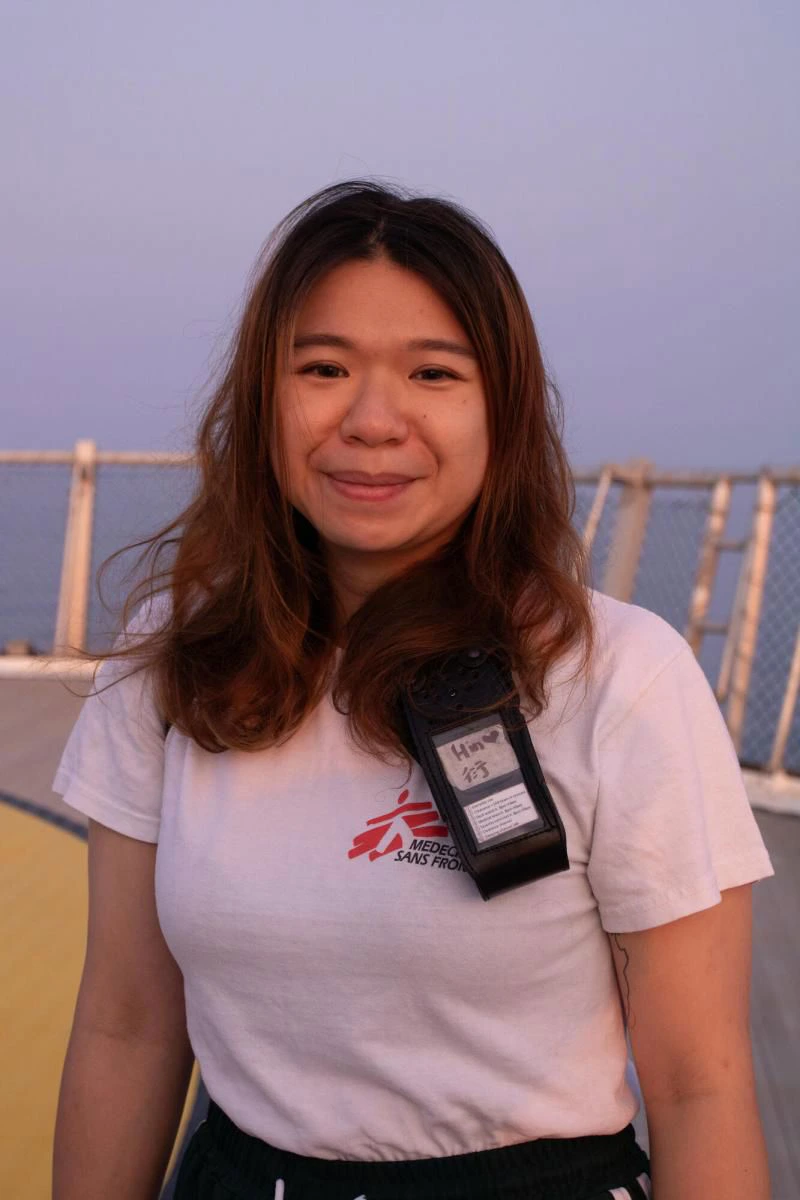
Krystal, Midwife
"Wherever you come from, you deserve basic medical care. That is a human right and at the core of humanitarian work."
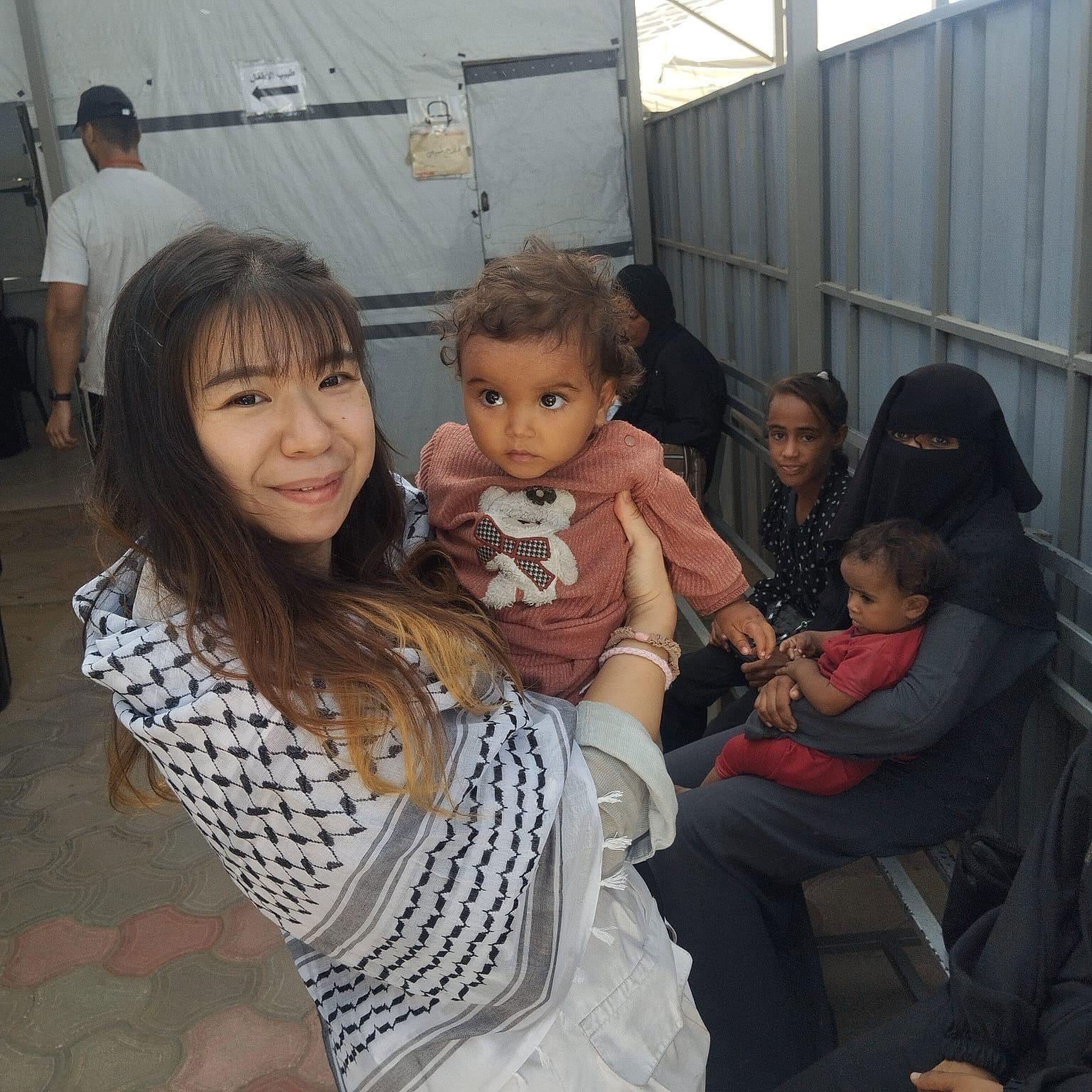
Krystal has worked in challenging environments such as conflict zones, refugee camps, providing care to vulnerable pregnant women and newborns. The front-line rarely goes to plan. Even when the team gives everything, not every birth ends safely. The weight of that stays with her.
But Krystal's response to difficulty is not to look away from it. When things turn out unsatisfactory, she sits with what happened and reviews it honestly to improve next time.
During her assignments, she has also faced danger—especially her experiences in Gaza. “Once, while I was traveling in a vehicle, explosions occurred along the route and the car almost overturned — at that moment, it felt like my heart had been violently struck.”
She is an ordinary person, just like every aid worker. So why stay? Her answer does not reach for drama. "If we leave those places, a lot of people will simply have no medical care at all. And the world won't even know what they're going through."
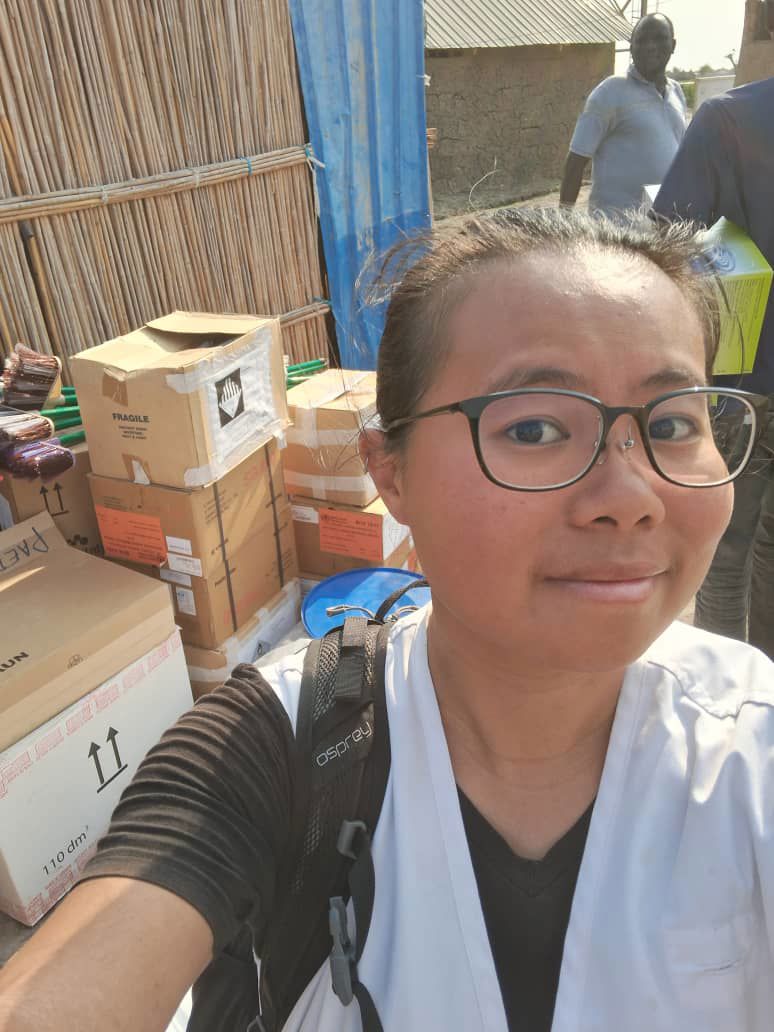
Asta, Health Promoter
"Humanitarian work is alleviating suffering whilst patients are still respected as humans."
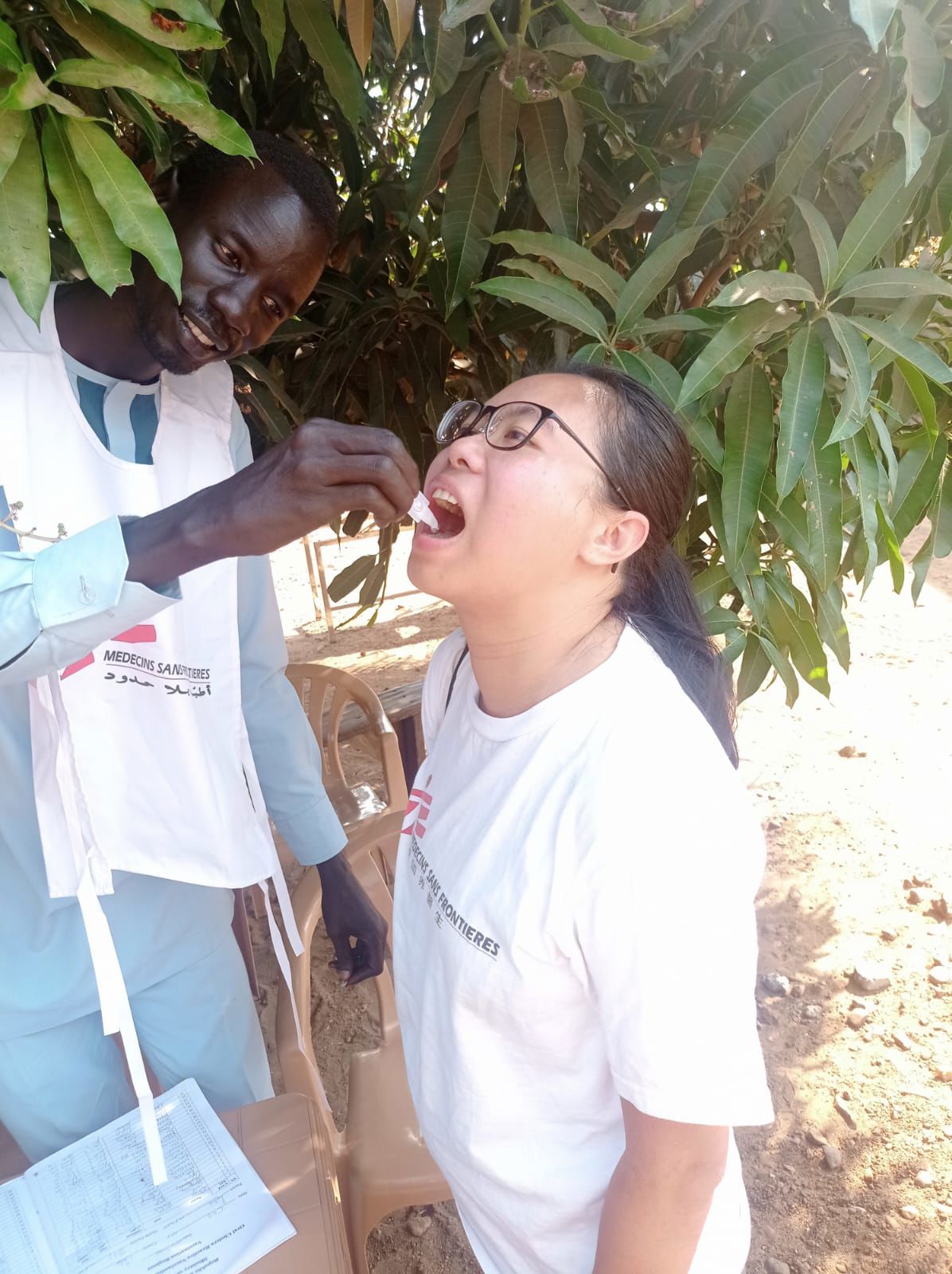
During the cholera outbreak response in South Sudan in 2025, Asta went into the affected communities to understand how communities seek medical care, their hygiene practices, and about their willingness to receive vaccinations. "We can provide vaccines and treatment, " she says. " But it is wasted if the communities do not utilise it."
By listening to community members’ concerns, what she found out really mattered. Many people in the community felt that being ill was something to be ashamed of, and that shame was keeping them away from care. There was also widespread misinformation about the cholera vaccine. “We needed to make it clear that MSF certainly does not discriminate against patients because of their illness. And we must walk the talk. Taking the oral vaccine ourselves in front of the community.”
Outreach work helps bridge medical teams and communities. By stepping outside hospitals, healthcare efforts can become much more effective.
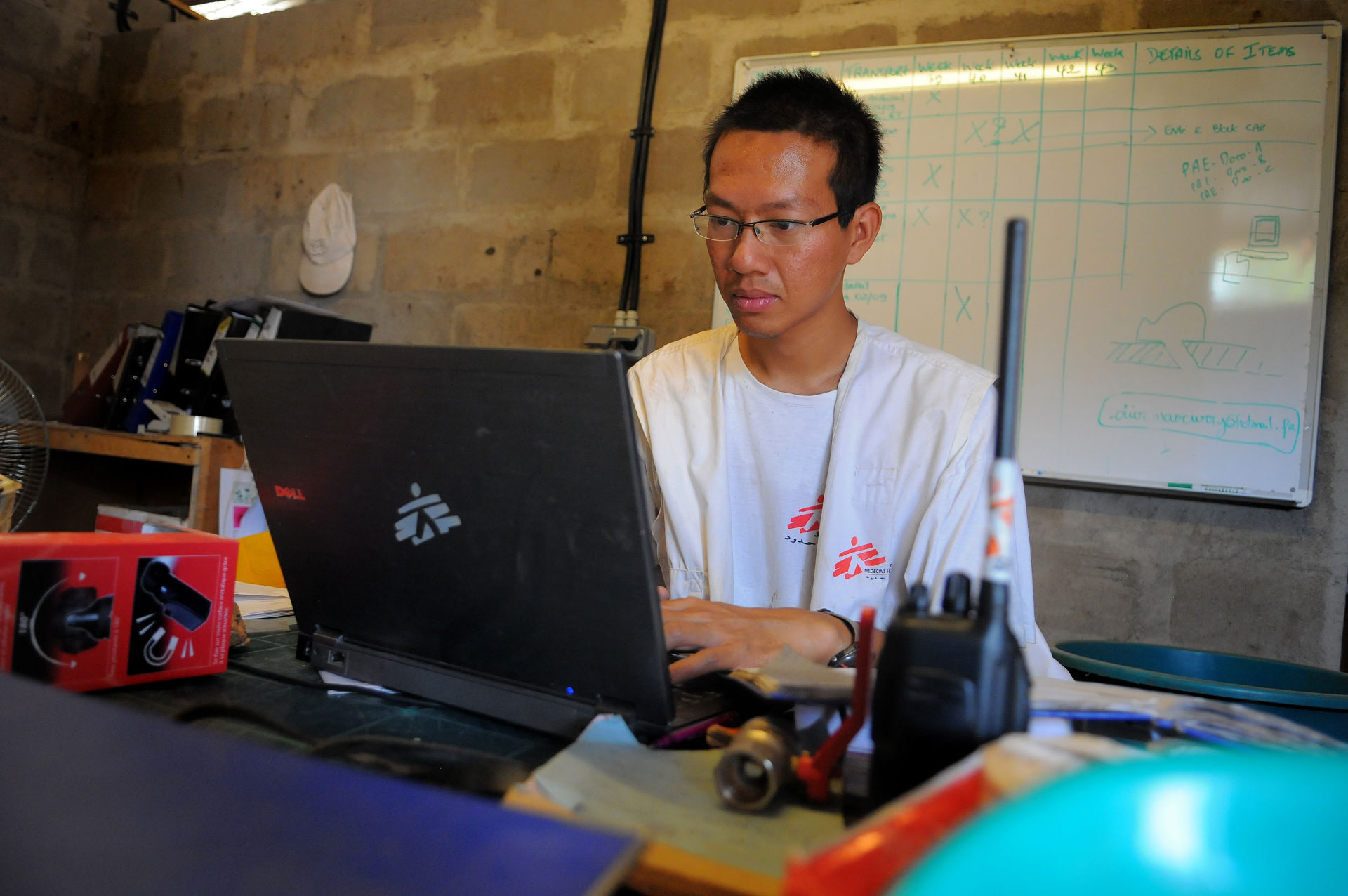
Luke, Water and Sanitation Specialist
“Before a patient can receive any treatment at all, the most basic condition for keeping them alive is water.”
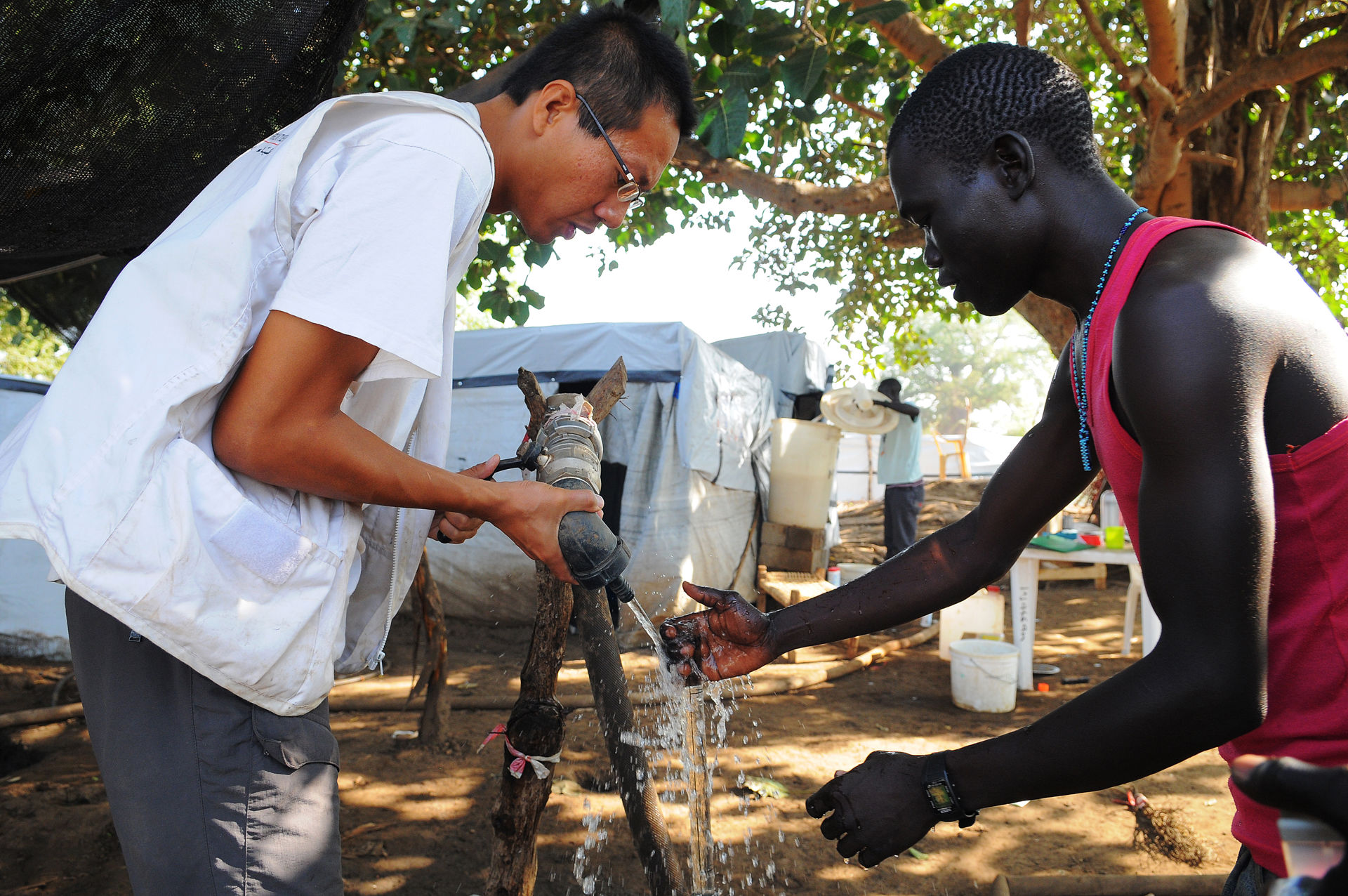
Luke studied civil engineering. He has been with MSF for more than 15 years. His job might involve building the water supply for a medical facility, setting up sanitation systems in a refugee camp.
The work is far from easy. He once built large-scale water systems from nothing in a matter of months: sourcing water, treating it, storing it, and distributing it across several kilometres to tens of thousands of displaced people. But the moment that has stayed with him longest was not the completion of any system. “When clean water flowed from the taps, villagers were so happy that they started dancing. At that moment, I knew it was all worth it."
Luke is clear that non-medical staff are just as important as medical professionals. Most of the time, logisticians and WASH specialists arrive before the doctors to set things up. "We hold the back so that the medical teams can hold the front. Everyone plays their part."
Borderline
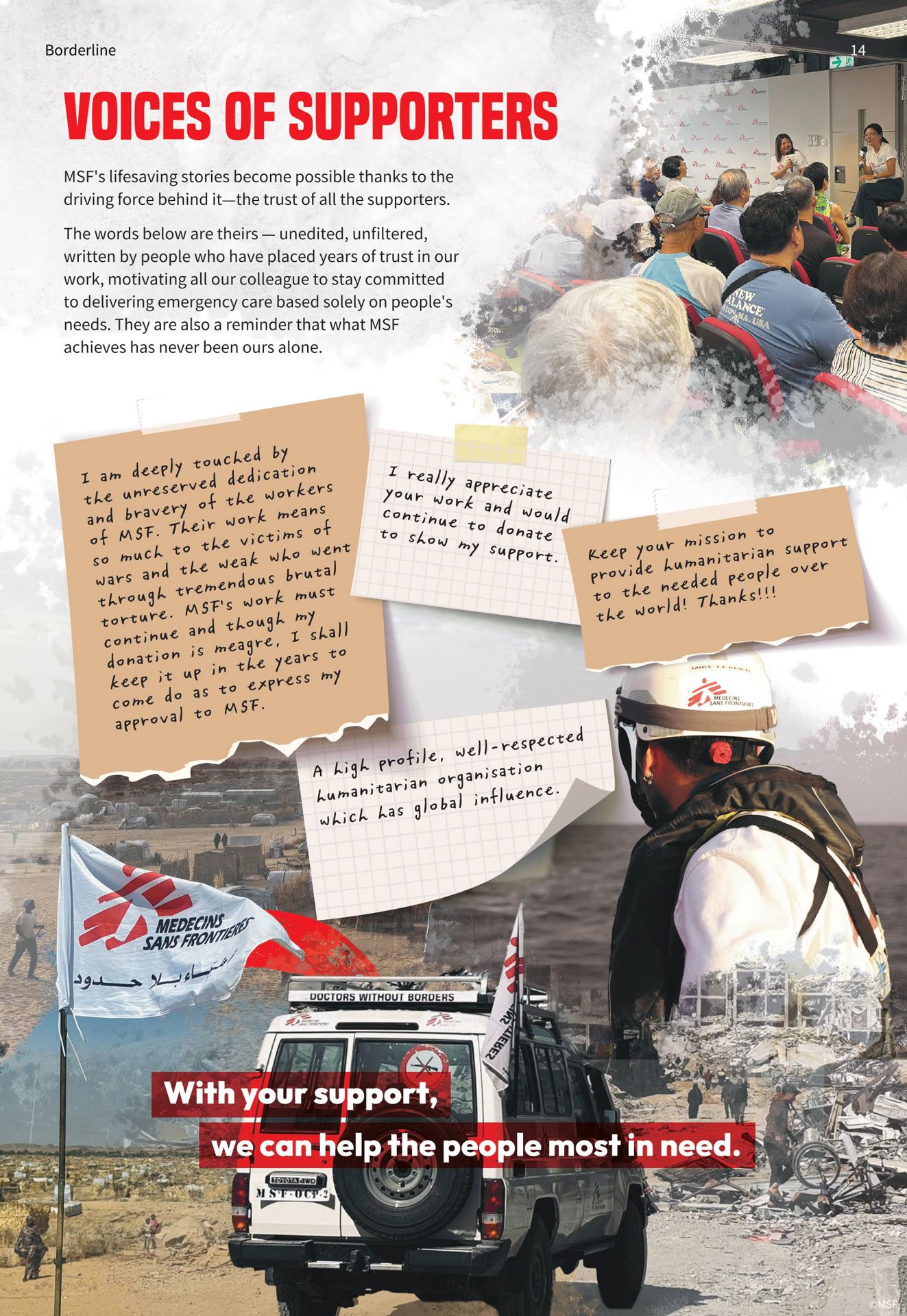
Voices Of Supporters
MSFHK Updates