
eCard delivery in progress. Please do not leave or refresh the page

loading...
無國界醫生 Médecins Sans Frontières
EN Web 1920X860 00042

In recent years, armed conflicts and crises have persisted around the globe, with the situation in many places escalating even further. Countless vulnerable people have been trapped in dire conditions: gunfire and explosions never cease; disease and malnutrition linger like shadows. People suffer not only physical injuries and health issues, but also fear, helplessness, and psychological distress. Every day brings new uncertainties. Will they be able to breathe properly, or even continue breathing at all ? We call on the public to stand in solidarity with the wounded and sick in conflict and crisis zones, to breathe together with them, and to donate one day’s income to provide emergency medical healthcare for those in need.


This summer, please join MSF in protecting that the most basic, yet often the most fragile, BREATH.

 

Breathing is a basic human instinct and fundamental for survival.  Yet in times of crisis—especially armed conflict—even maintaining steady, normal breathing can become profoundly difficult. Vulnerable groups such as the war wounded, newborn babies and pregnant women, malnourished children, and those living with psychological trauma trauma often struggle just to keep that most fundamental breath. The United Nations estimates that more than 300 million people were in urgent need of humanitarian assistance and protection in 2025—over double the number from five years earlier1.


Amid war and crisis, breathing is no longer something that can be taken for granted.


The Struggle for Survival of the War-Wounded

Rapid Breaths

When shrapnel tears through the body, is there still a chance to calm that rapid breath?

MSF269663


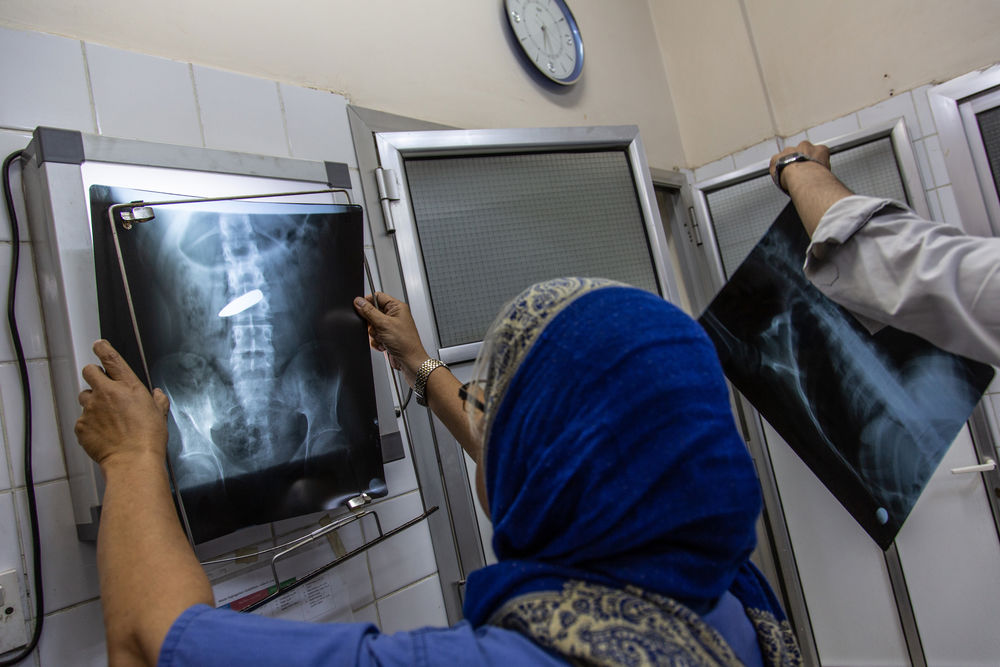
Heavy offensives by warring parties—including shelling, airstrikes, missile fire, and drone attacks—often result in mass civilian casualties with complex injuries or deaths. Reports indicate that in 2024, explosive weapons caused 61,353 civilian casualties worldwide, with airstrikes accounting for more than 60%2. Those wounded in war often experience rapid breathing due to blood loss and severe pain, instantly thrown into a fight for survival.

MSF has medical projects in multiple conflict zones such as Sudan, Gaza and Haiti, providing comprehensive healthcare for war-wounded patients:


1

2

3

4


Emergency care
such as bleeding control and fluid resuscitation


Emergency surgery and reconstructive surgery


Wound care and pain
management


Rehabilitation and
prosthetic support


In Yemen, mired in civil war for years, MSF established a trauma centre in Aden. Over 12 years, it has provided 65,000 emergency consultations and nearly 68,000 surgeries for war-wounded patients in the region.


One day's income from you enables us to deliver impartial, specialised medical assistance where the need for war injury care is most urgent. Fighting to calm their rapid, fragile breathing!

A Newborn’s Crossroads of Life

First Breaths

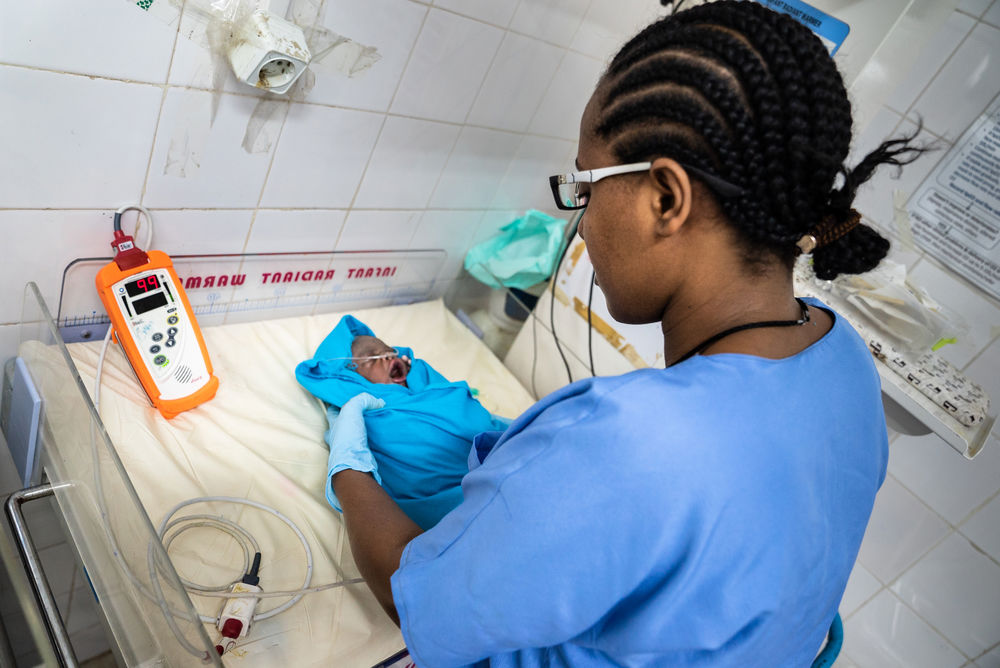
In the midst of war, can a newborn safely take that very first breath?

MSF294184


In conflict and other crises, medical facilities struggle to remain functional, and pregnant women face immense obstacles in seeking care—seriously affecting newborns’ chances of survival. According to World Bank data, in East Asia and the Pacific, only 10.7 out of every 1,000 newborns died in 2024. In fragile and conflict-affected countries, mortality rates are 49.2—4.5 times higher than in our region. Without adequate prenatal and postnatal care, a newborn life may not be able to survive to take their first breath or cry; mothers may also die from pregnancy and childbirth complications.

MSF runs maternal and child health projects in many crisis-affected areas such as South Sudan, Yemen, the Central African Republic and Bangladesh, providing comprehensive care for vulnerable pregnant women and babies:


1

2

3


Antenatal check
ups and care


Safe delivery rooms and emergency obstetric care


Neonatal care and postnatal care for women


In Ethiopia, which hosts large numbers of refugees, MSF operates a medical centre in Kule refugee camp in Gambella State near the South Sudan border. The centre supports over 55,000 South Sudanese refugees and others, offering medical assistance including maternal and child health services. Globally, our obstetric teams assist with an average of 1,000 births every day.


One day's income from you enables us to deliver life sustaining medical aid where maternal and newborn health needs are most urgent—fighting to protect a baby’s very first breath.

The Struggle of Survival of the Malnourished

Shallow Breaths

When the body is weakened by malnutrition, how long can those faint breaths be sustained?

MSB244907(High)


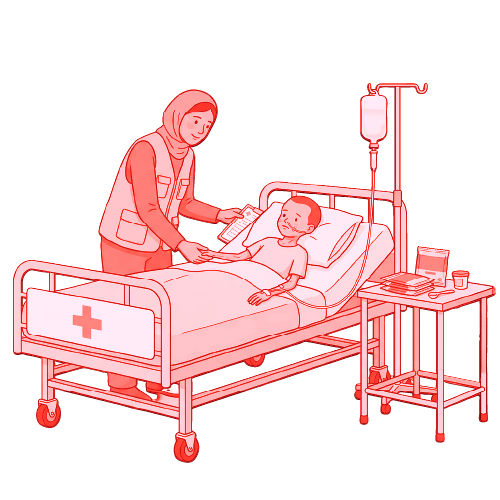
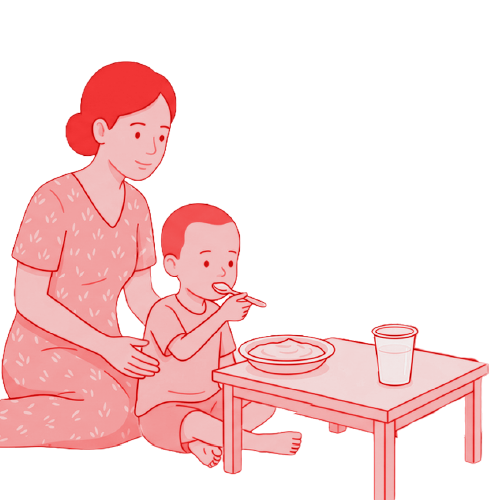
In many war-torn areas and long-term conflict zones, active fighting, sieges, blockades, destruction of infrastructure, and restrictions on humanitarian aid have disrupted food supplies, turning hunger into another weapon of war. In 2024, an estimated 37.7 million children worldwide suffered from acute malnutrition3. Since 2024 and 2025, when countries began cutting funding for international relief, many food and nutrition support programmes have been forced to scale back or shut down. For the malnourished—especially children—physical functions weaken, breathing becomes shallow, immunity plummets, and lives hang by a thread.

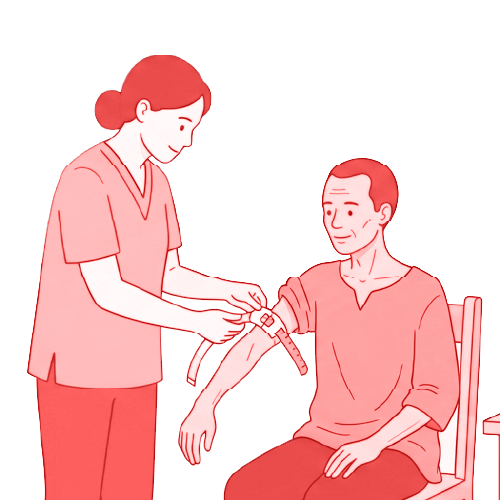
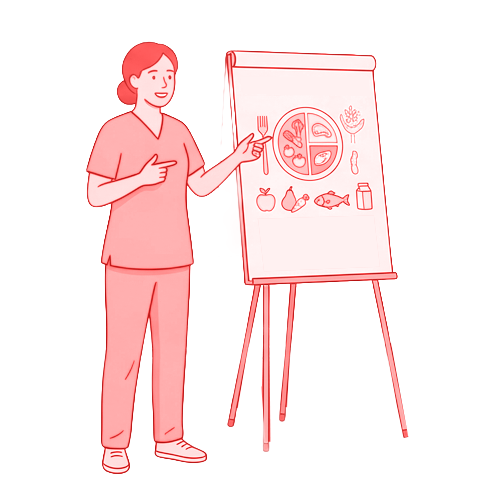
MSF runs nutrition programmes in conflict affected areas such as Sudan, Nigeria and Somalia, providing care to restore physical functions and immunity in malnourished children:


1

2

3

4


Inpatient therapeutic feeding for children


Outpatient therapeutic food treatment


Nutrition screening


Promotion of healthy diets


In Sudan, in 2024, MSF provided outpatient nutrition treatment to 39,702 malnourished children and admitted 11,300 severely ill children for inpatient feeding programmes.


One day's income from you enables us to deliver life-nourishing medical aid where food crises are most severe—protecting the weakening breaths of malnourished children.

The Invisible Cage of the Traumatized Mind

Trembling Breaths

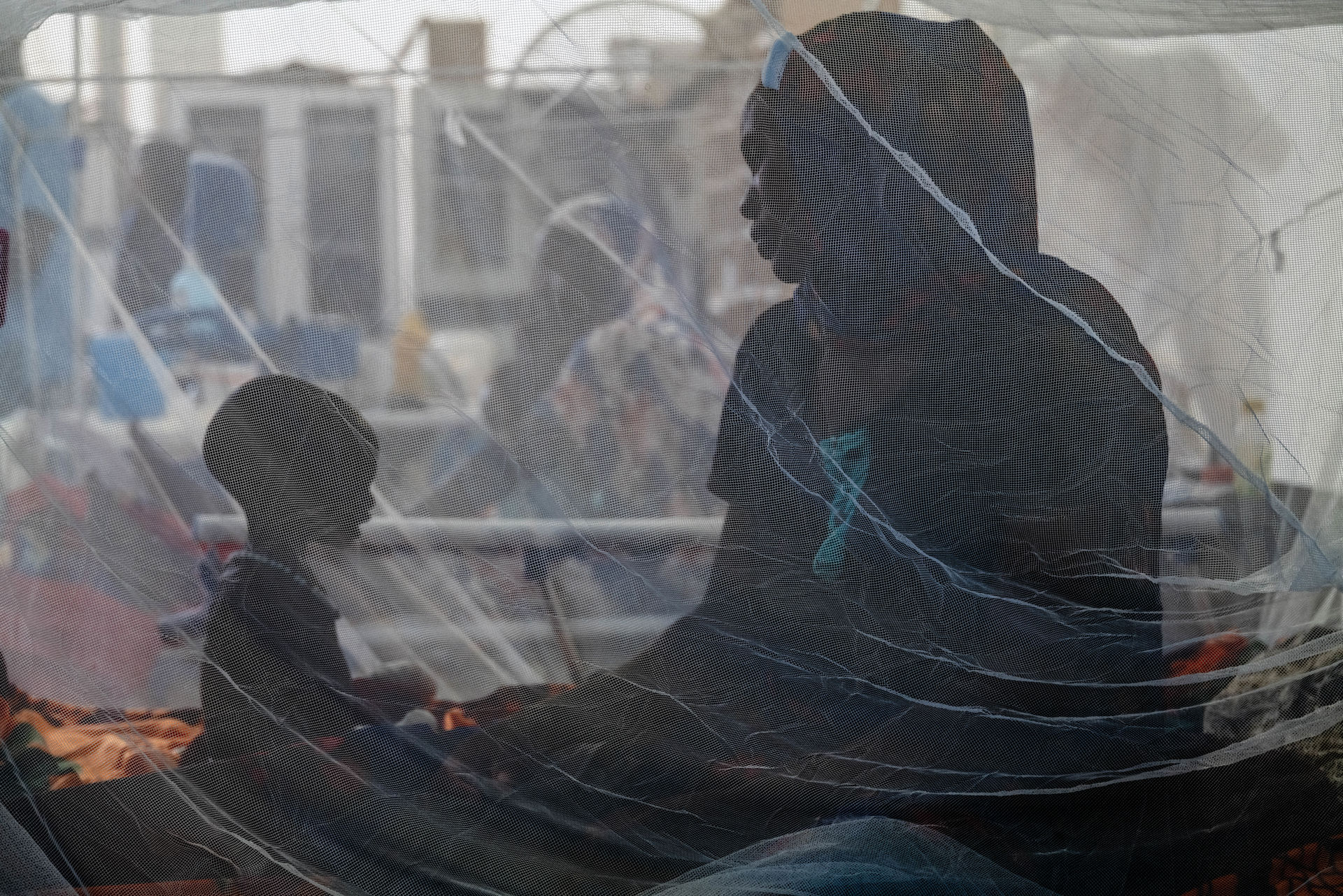
After the trauma of war, can unsettled breath find its rhythm again?

MSB184526(High)


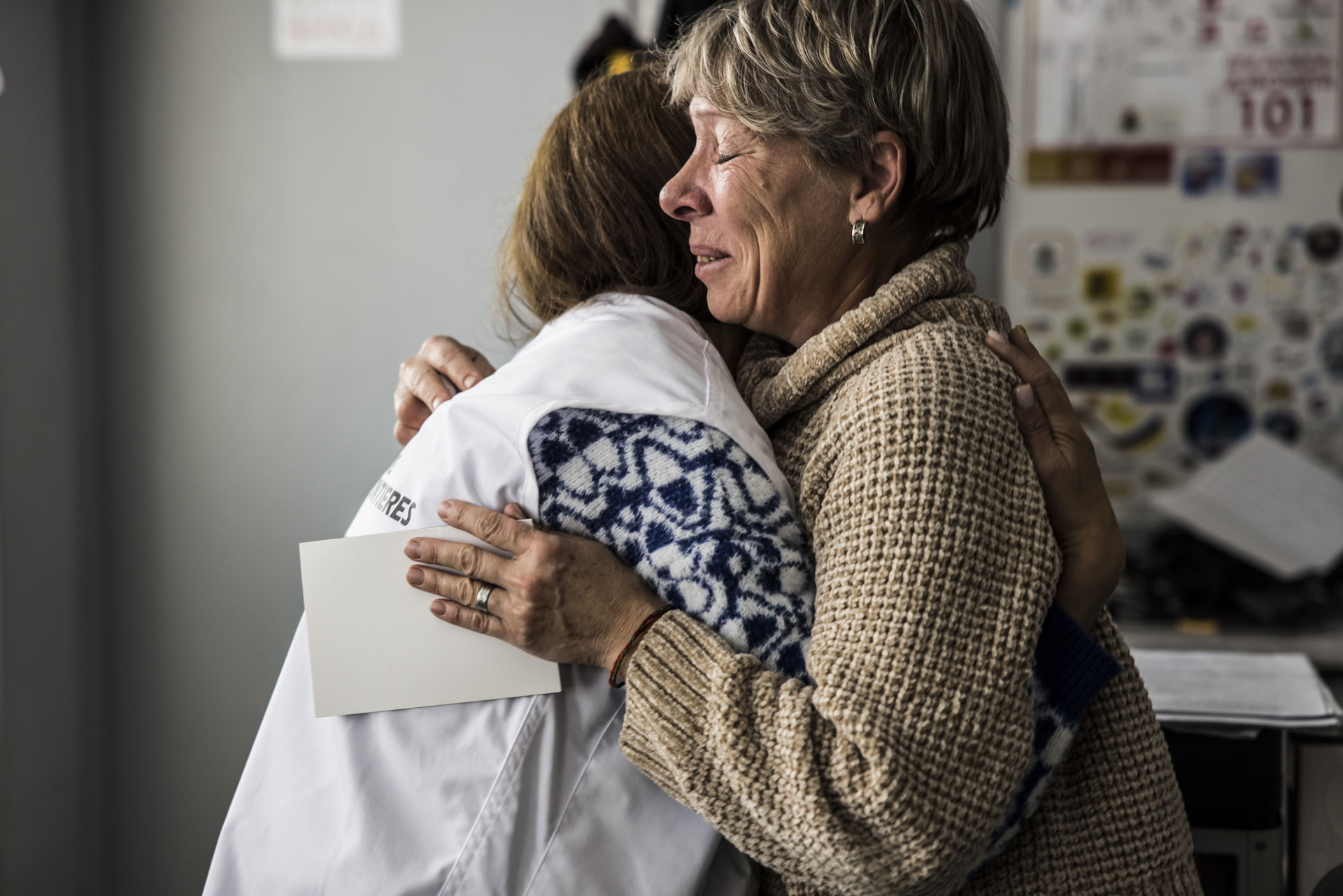
Armed conflict and wartime violence strip people of familiar routines, separate them from loved ones, and force them to witness killings and destruction — leaving invisible yet lasting scars. According to WHO estimates, in 2025 around 67 million people with mental health disorders were affected by conflict, disaster, or displacement. For those facing life upheaval and traumatic experiences, psychological distress can disrupt physical responses, making their breathing rapid and difficult to control.

MSF runs mental health support programmes in multiple crisis zones — such as Ukraine, Lebanon, Yemen and the Democratic Republic of Congo — offering care to help people regulate body and mind:


1

2

3


Psychological first aid


Psychosocial support


Individual
and group therapy


More than four years into Russia’s invasion of Ukraine, MSF provided 12,500 individual mental health consultations across the country in 2024.


One day's income from you enables us to deliver comforting medical aid in heart-breaking crisis zones, helping to protect the unsettled breathing of people affected by trauma, create psychological resilience, and support them as they gradually rebuild their lives.

Though our circumstances differ and our breathing rhythms vary, the essence of life’s breath remains the same. Therefore, we invite you to join “MSF Day 2026,” helping us build greater collective strength for emergency medical action, and together safeguard the breath of those in crisis.


1. Armed Conflict Location & Event Data;ACLED

2. Action on Armed Violence

3. Global Network Against Food Crises


DONATE TO SUPPORT MSF DAY