

Emergency Care Amid Violence in Yemen
Protecting Rapid Breaths
"The gunshot wound was so severe, I never thought I would survive."
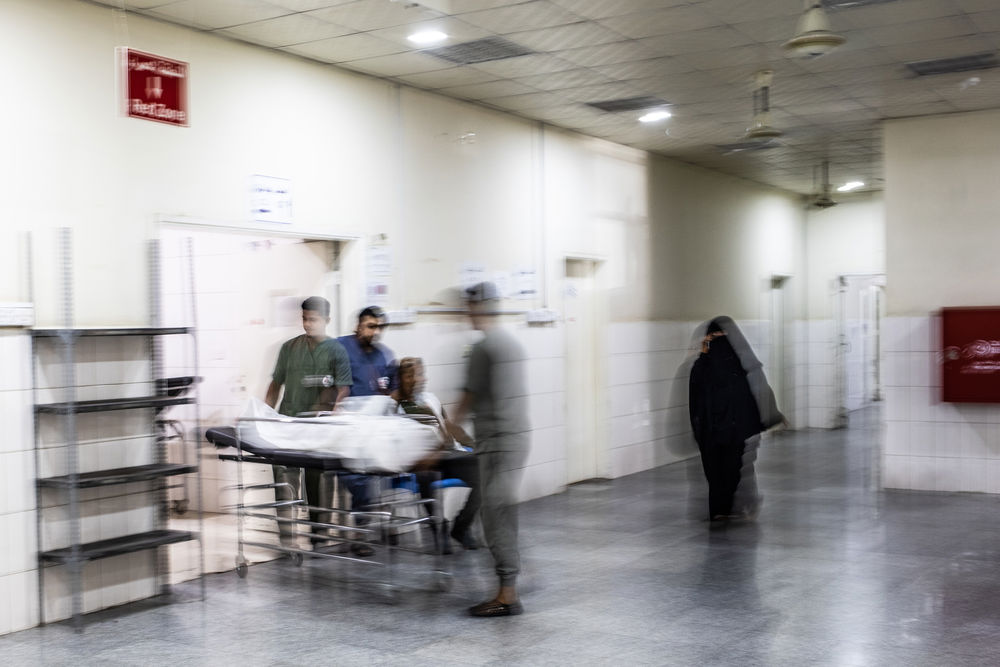
Civil war broke out in Yemen in 2014. As fighting in Aden intensified, many medical facilities ceased to function. The trauma centre opened by MSF in 2012 became, from 2015 onwards, the only facility in the area capable of treating severe war injuries. Since then, it has continuously received large numbers of wounded from surrounding regions, operating under immense strain.
Even in 2020, when conflict escalated in southern Hodeidah — a 6-hour drive north from Aden — the trauma centre still admitted many critically injured patients. Between April and August of that year alone, the centre treated 493 wounded from Yemen’s western coast, averaging nearly 100 patients per month. Many suffered multiple injuries requiring specialised, intensive, and multidisciplinary care.
One of them was 24-year-old Ryadh Mohammed Ahmed Saleh from Abyan, near Aden. He was referred to the trauma centre with a severe gunshot wound. Saleh recalls: “The gunshot wound was so severe, I never thought I would survive. When I arrived at the hospital, I was in unbearable pain.”
People living in conflict zones constantly face the threat of being gravely injured or killed by bullets and shells. Even when injuries are not immediately fatal, delay in reaching care — or the closure of hospitals due to insecurity or structural damage — means that even the most desperate breathing cannot save their lives. Saleh was comparatively fortunate to reach Aden’s trauma centre in time.
“The doctors reassured me, telling me I would be fine.” He had suffered a gunshot wound to the abdomen, and he underwent a colostomy surgery at the trauma centre, which saved his life. Colostomies are prone to infection, and he experienced several complications after surgery. Yet he says: “I am still grateful to be alive today, and thankful for the medical care I received.”
As Yemen’s internal situation began to stabilise at the end of 2023, the number of war wounds decreased. MSF closed its surgical trauma programme in Aden in April 2025. Although this project ended, MSF teams continue to respond to other health problems caused by years of conflict — such as malnutrition and outbreaks of infectious diseases — and they keep providing life saving emergency trauma care in other conflict zones around the world.
Maternal and Child Health Care Amid Turmoil in Ethiopia
Protecting First Breaths
"I felt through the mother’s belly that the baby was in the wrong position, stuck sideways in the womb."
Gambella, Ethiopia, bordering conflict-ridden South Sudan, has become a place of refuge for many South Sudanese women fleeing violence — especially after ethnic clashes erupted in Agok in early 2022. Many cross the border alone with their young children, seeking shelter in Kule refugee camp. To support these vulnerable mothers and children, MSF provides maternal and child health care inside the camp.
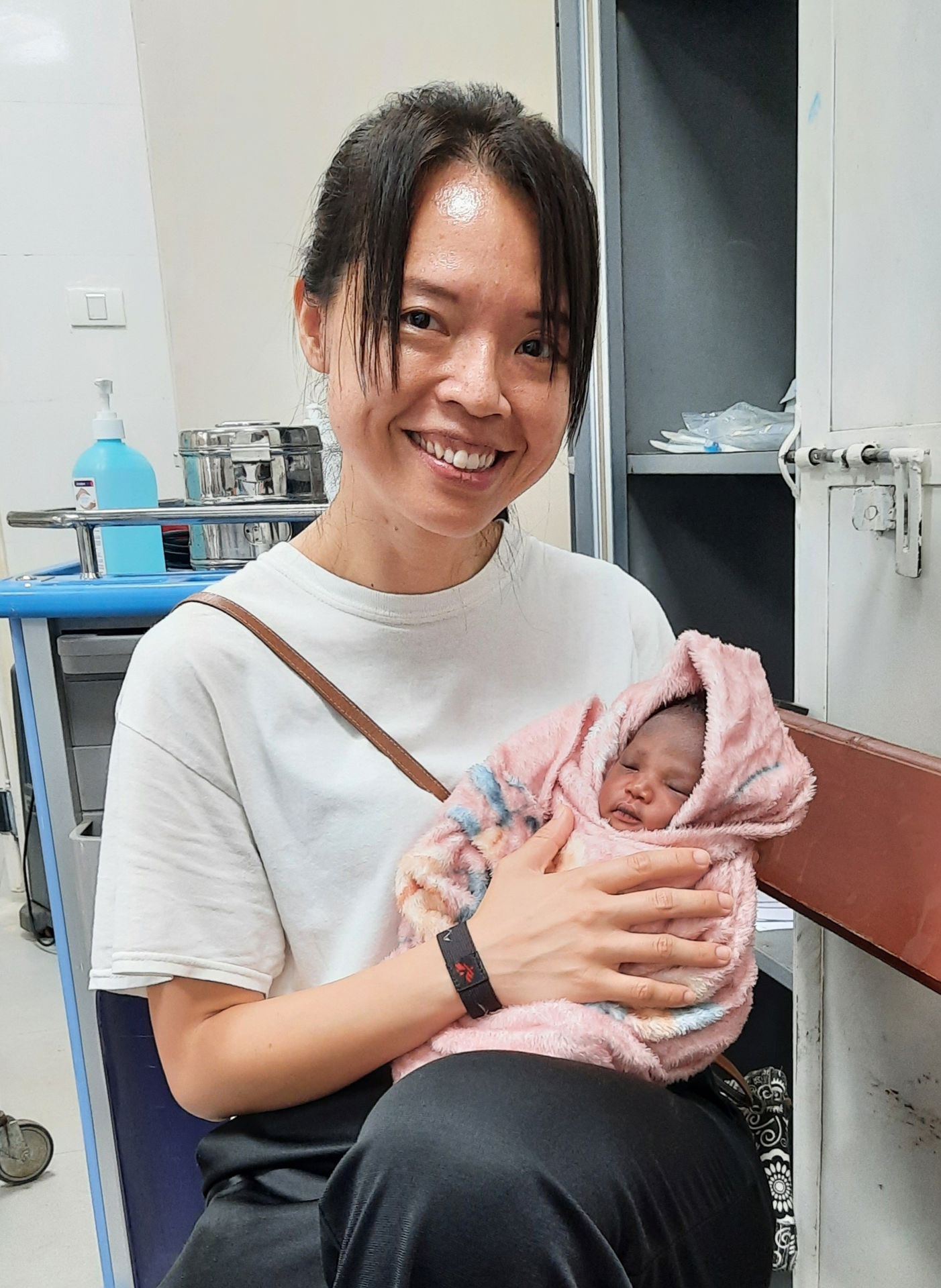
In 2023, Tobey, a nurse and midwife from Hong Kong, worked as MSF’s midwifery activity manager in Kule, supporting the maternal health programme and witnessing firsthand the challenges faced by pregnant women in a crisis setting. One case, remains unforgettable.
Tobey and her colleagues were assisting a woman giving birth to twins. The first baby was delivered smoothly, but the second did not appear as expected — though normally it should within half an hour. Tobey realised something was wrong: “I felt through the belly that the baby was in the wrong position, stuck sideways in the womb.” The hospital had no doctors, no operating theatre, and no equipment for a caesarean section. Under normal circumstances, the team would urgently transfer the mother to a city hospital with surgical capacity. “But at that time, tribal clashes had broken out nearby, and the only road to the hospital was often under fire. MSF had suspended all referrals,” she explained.
The situation was critical. Any delay meant that not only the second baby might never take its first breath, but the mother’s life could also be at risk. Tobey recalled a rare procedure she had read about in the medical literature: reaching into the womb through the birth canal, grasping the baby’s leg, and pulling the baby out. “I had never seen anyone do it, nor practiced it myself, but it was the only and final option," she said.
She inserted her forearm into the mother’s birth canal and managed to grasp the baby’s foot. With her other hand pressed on the mother’s abdomen to help rotate the baby's position. Coordinating with the mother’s pushing, the team finally delivered the baby and immediately began resuscitation.
The effort was exhausting, and Tobey admitted she was nearly drained afterward. “The entire delivery lasted over an hour. We expected the baby to be in poor condition, and breech births carry higher risks. But fortunately, the baby came out lively, crying loudly, and the mother was safe.” That day, Tobey and her team narrowly averted tragedy, successfully safeguarding the first breaths of two newborns — a deeply fulfilling moment.
Malnutrition Care Amid Chad’s Food Crisis
Protecting Shallow Breaths
"I was almost in despair, because he was severely swollen and unable to urinate."
Chad has long struggled with food insecurity, worsened by displacement crises, climate shocks, and economic hardship. By the end of last year, an estimated 5.7 million people were malnourished, including 3.6 million facing severe food insecurity. Children, pregnant women, and breastfeeding mothers are most affected. Among them, 1.8 million children under five were suffering from acute malnutrition, with 700,000 classified as severe cases. To respond, MSF launched nutrition treatment programmes in Salamat, Massakory, and N’Djamena.
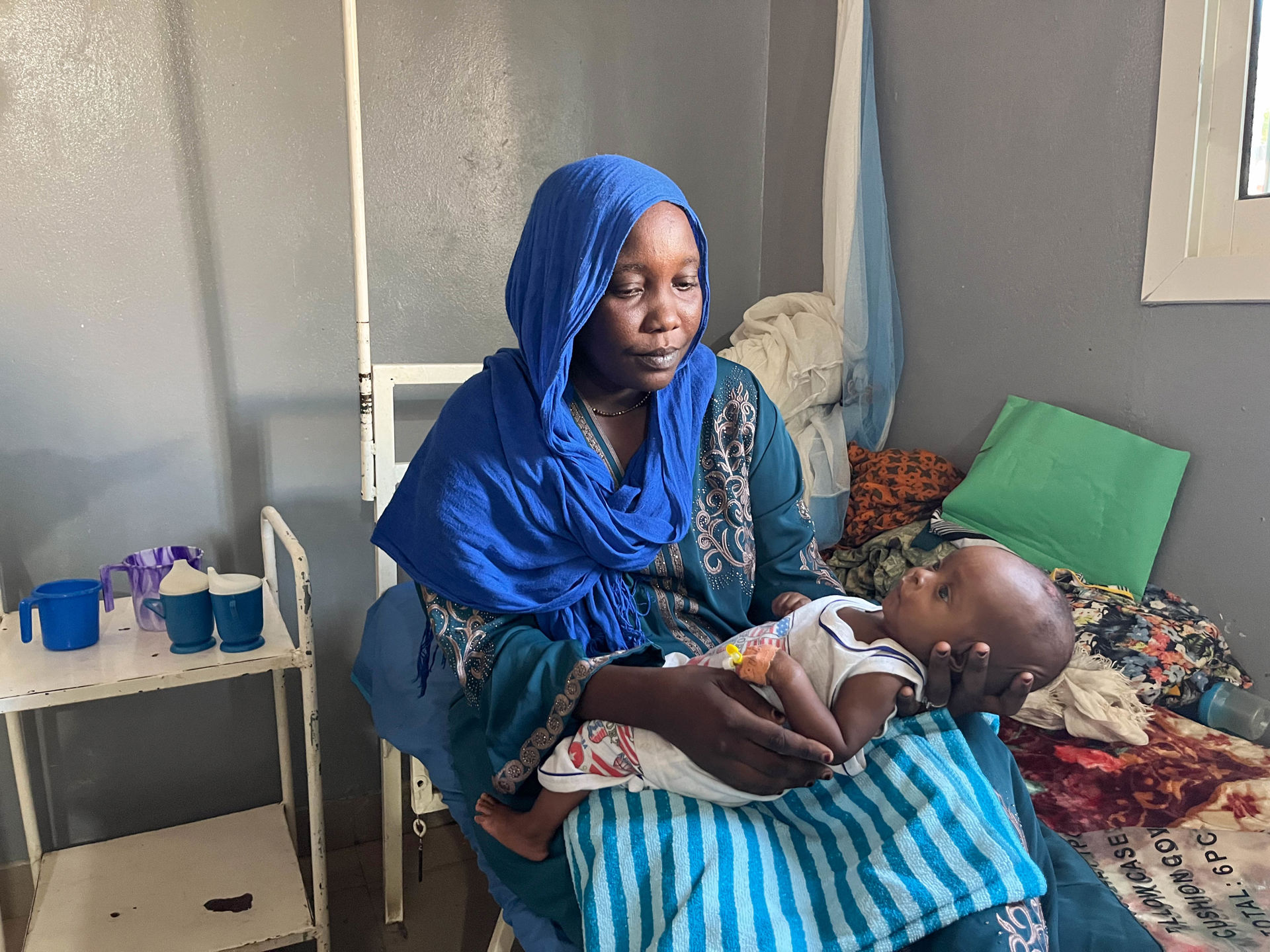
In Massakory, Zara, whose crops had been destroyed by elephants, brought her 3-month-old son Mahamat to MSF’s inpatient feeding centre in November. “When we first arrived, I was almost in despair, because he was severely swollen and unable to urinate.” This condition is common in patients with extreme protein deficiency and requires urgent nutritional support.
Malnourished patients are often too weak to breathe easily, let alone eat and digest food. Even MSF’s standard peanut based ready to use therapeutic food cannot be used in such cases, so the medical team provides specially formulated therapeutic milk. Mahamat needed continuous feeding with this milk for eight days before he could be weaned.
Massakory lies in a remote area where access to healthcare is extremely limited. Living 50 km east of Massakory, Zara only decided to come after hearing another mother’s story of how her child had recovered with MSF’s care. “I met her at the market. She told me there was a very good hospital in Massakory, so the next day I took a car and came,” she recalled.
MSF is committed to holistic care, considering not only patients but also caregivers. “Since I arrived here, I’ve seen the medical team caring for us day and night. And I haven’t paid a single cent, yet the care is so comprehensive. Beyond medical treatment, they even gave me food, without me asking,” Zara said. “I’ve advised the women in my village to come here for treatment.”
AMSF has also launched a pilot physiotherapy project in N’Djamena to treat children suffering from the psychomotor consequences of malnutrition, aiming to reduce long term impacts. The goal is not only to safeguard their fragile breathing, but also to help them grow strong and thrive.
Psychological Support Amid the Russia-Ukraine War
Protecting Trembling Breaths
"When exhausted or anxious, I sometimes lose speech entirely or stutter; my right leg suddenly weakens, causing me to fall without warning."
More than four years of war have taken a severe toll on people's mental health in Ukraine. According to WHO data, the most common health problems in the country last year were related to mental health, affecting nearly half the population. MSF responds to urgent needs across Ukraine, focusing especially on the most vulnerable groups: those living near the frontlines, people directly exposed to war (the severely injured and their families), internally displaced persons, and those grieving the loss of loved ones.
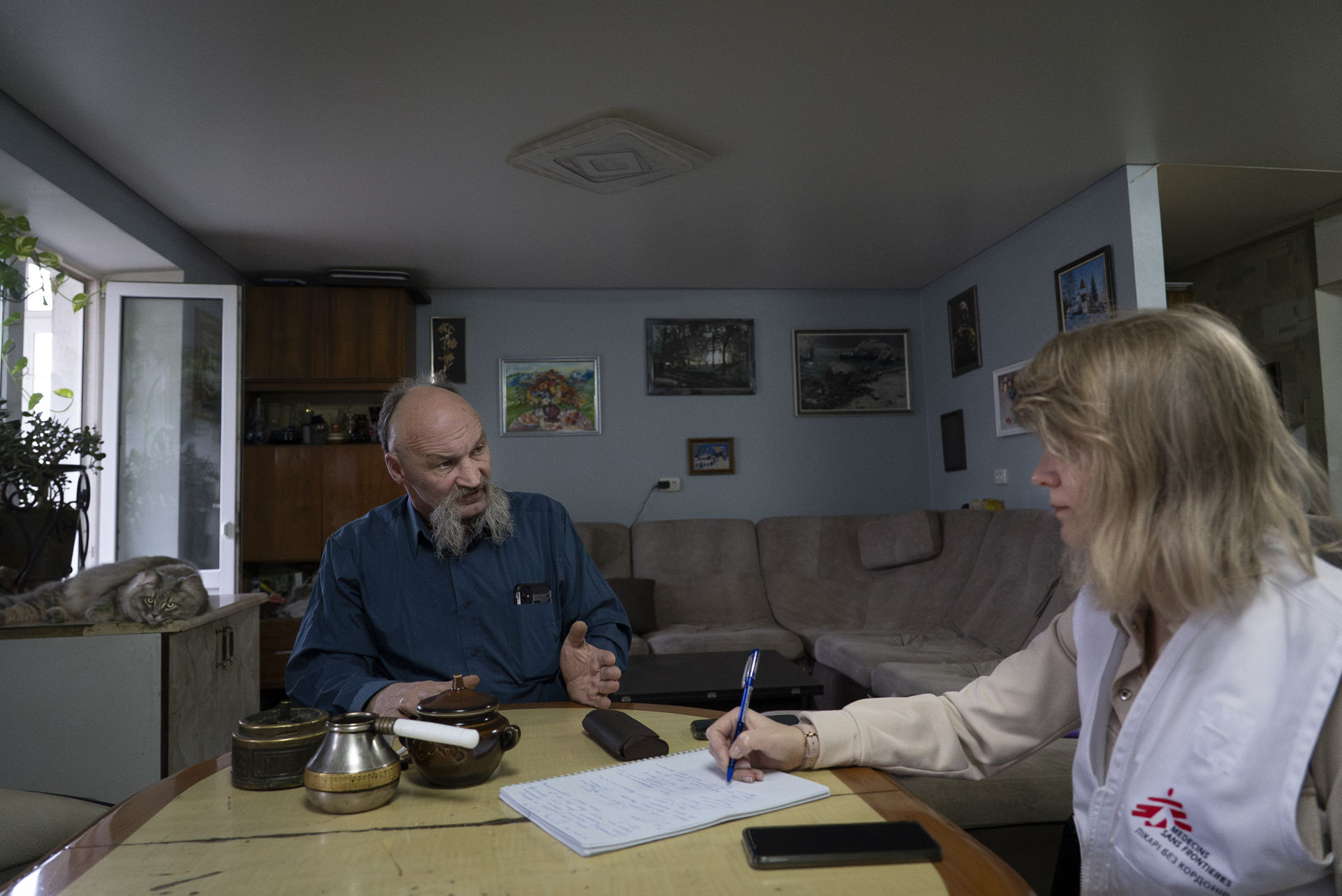
Oleksii Lohanov, 58, is a veteran of multiple wars, from the Soviet Afghan conflict in the 1980s to the current war. MSF psychotherapist Liudmyla Honcharuk explained that he suffers from complex post traumatic stress disorder built up over 40 years of trauma, with the present war reopening old psychological wounds.
When Lohanov arrived at MSF’s psychological support centre in Vinnytsia, he was struggling with motor impairments, severe stuttering, cognitive fatigue, and sleep disorders. He explained that trauma from landmine explosions had damaged his neural connections: “That is the root of most of my physical symptoms — limited movement in my left arm; when exhausted or anxious, I sometimes lose speech entirely or stutter; my right leg suddenly weakens, causing me to fall without warning; my blood pressure also fluctuates drastically.”
Honcharuk and her team applied multiple therapeutic approaches to help him. After 37 sessions, his psychological state has largely stabilised. “His condition has improved significantly, his sleep quality has greatly increased, and there has been real progress. For cases like his, full recovery may not be possible, but the focus is on restoring resilience and improving quality of life,” she explained.
Lohanov himself says: “A year ago, I could only concentrate for about an hour each day. Now, after six months of MSF treatment, I can manage two to two and a half hours daily. I’ve also learned not to rush. Recovery takes time.”
In conflict, physical wounds are often visible, but psychological trauma — just as deep, yet harder to detect, and more difficult to treat — is often overlooked. MSF continues to provide psychological support in conflict and crisis zones worldwide, helping those whose lives have been disrupted to regain emotional stability, breathe more freely, and face upheaval with resilience.