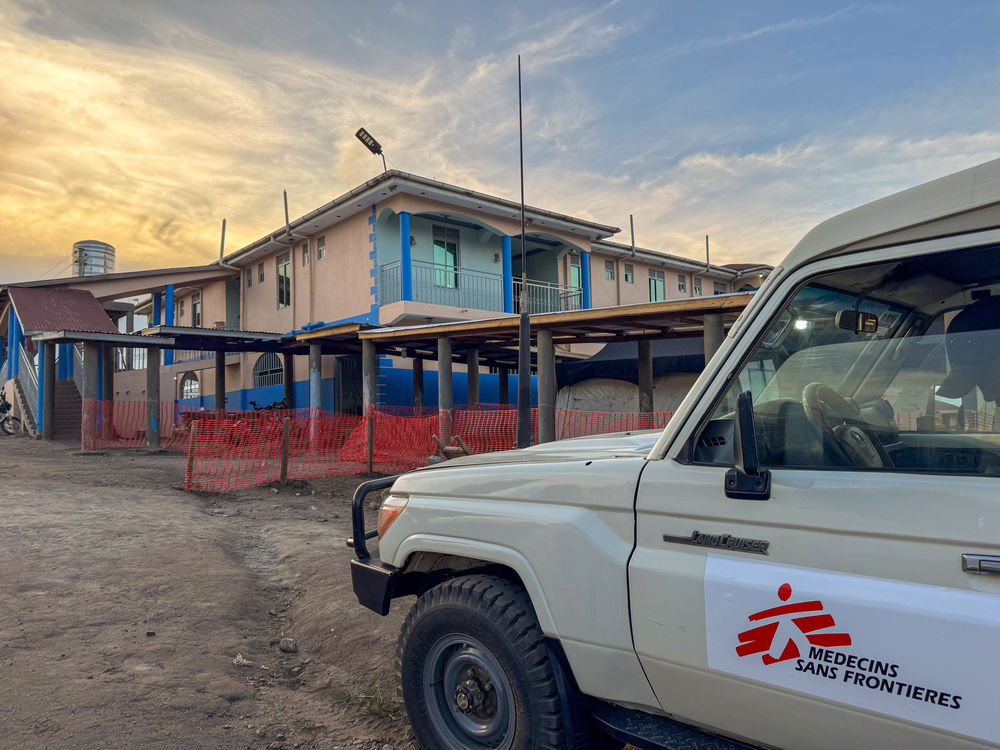

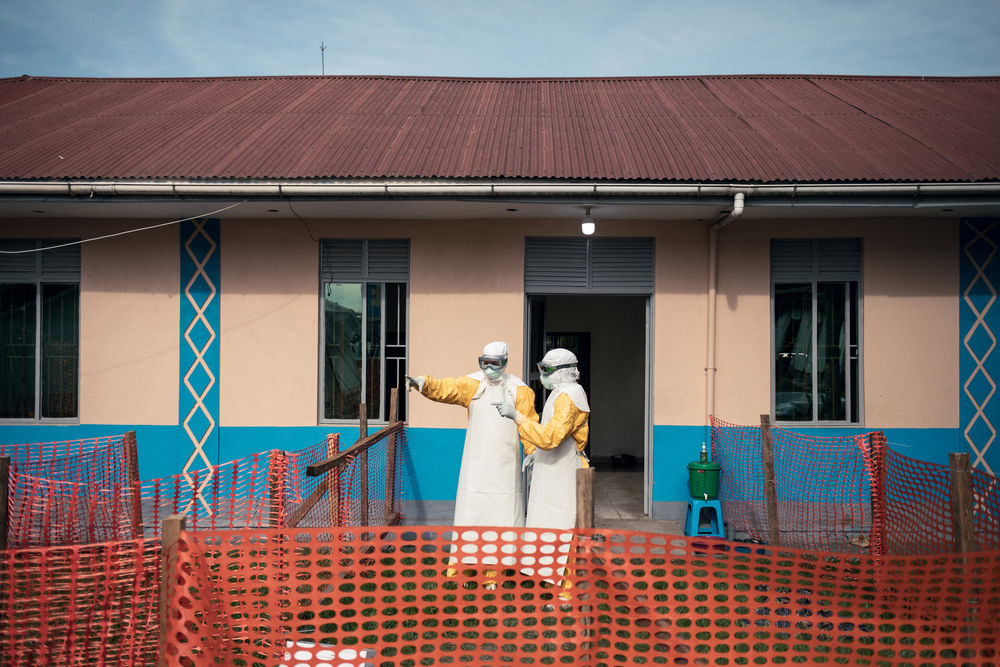
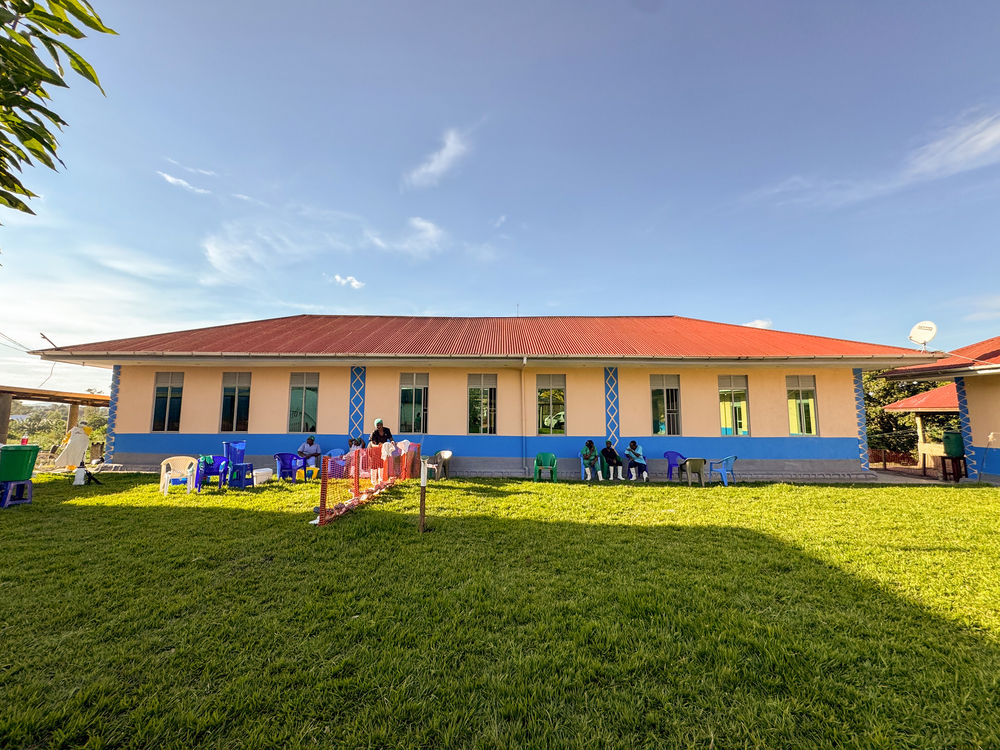
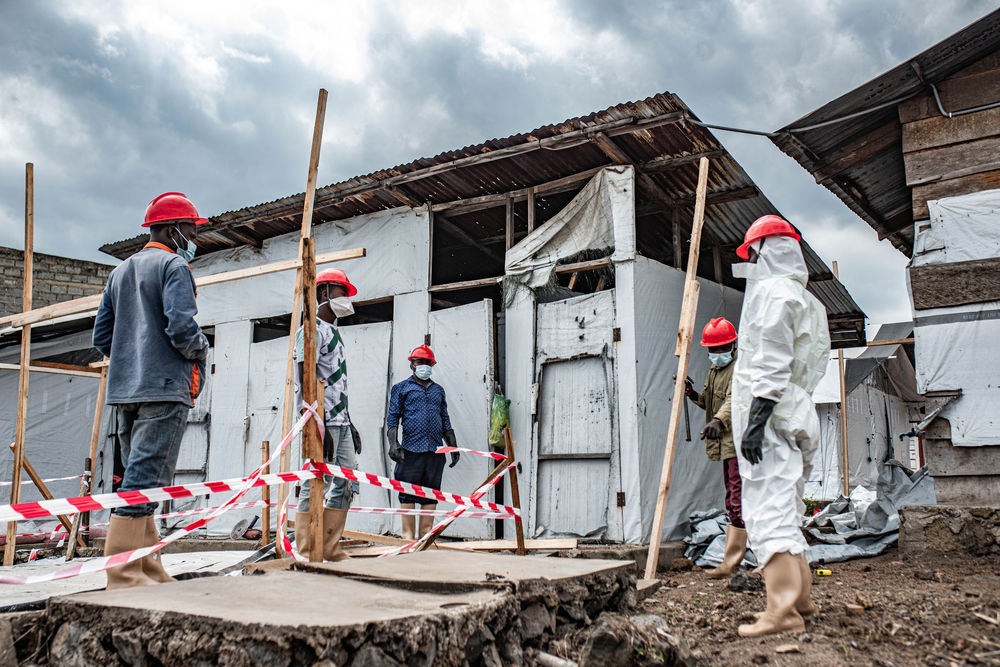
On 30 May, MSF teams opened the ETC in Bunia at the epicentre of the current outbreak in the Democratic Republic of Congo (DRC). The ETC provides isolation and care for patients with suspected and confirmed Ebola disease. Facilities like this are structured to manage patients at different stages of diagnosis, ensuring safe triage, isolation, and treatment.
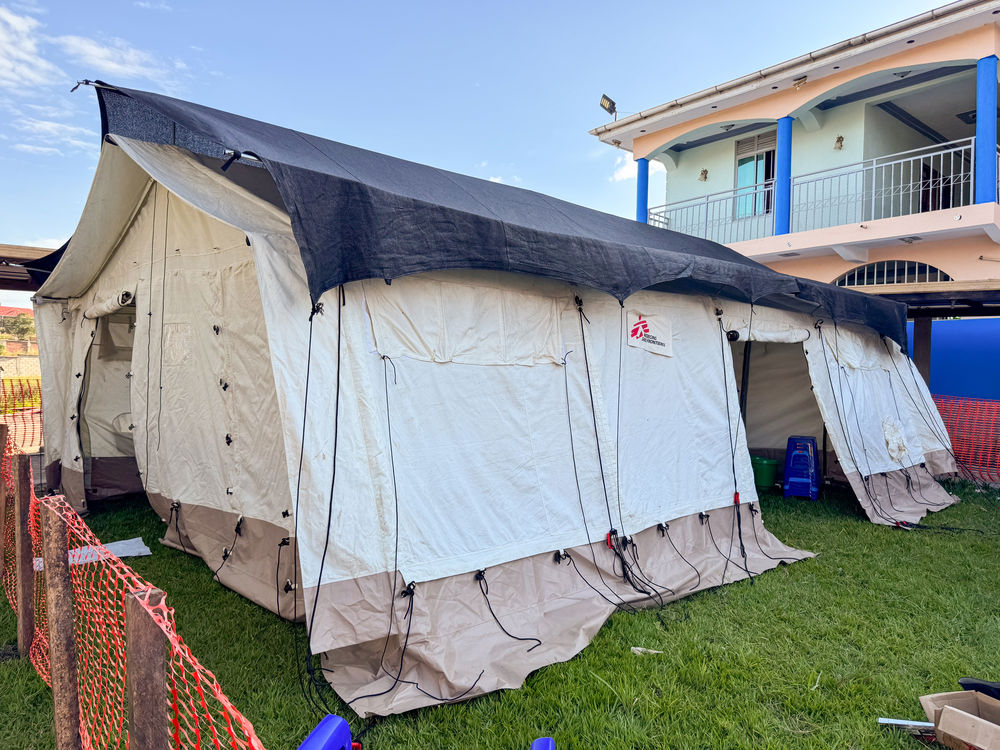
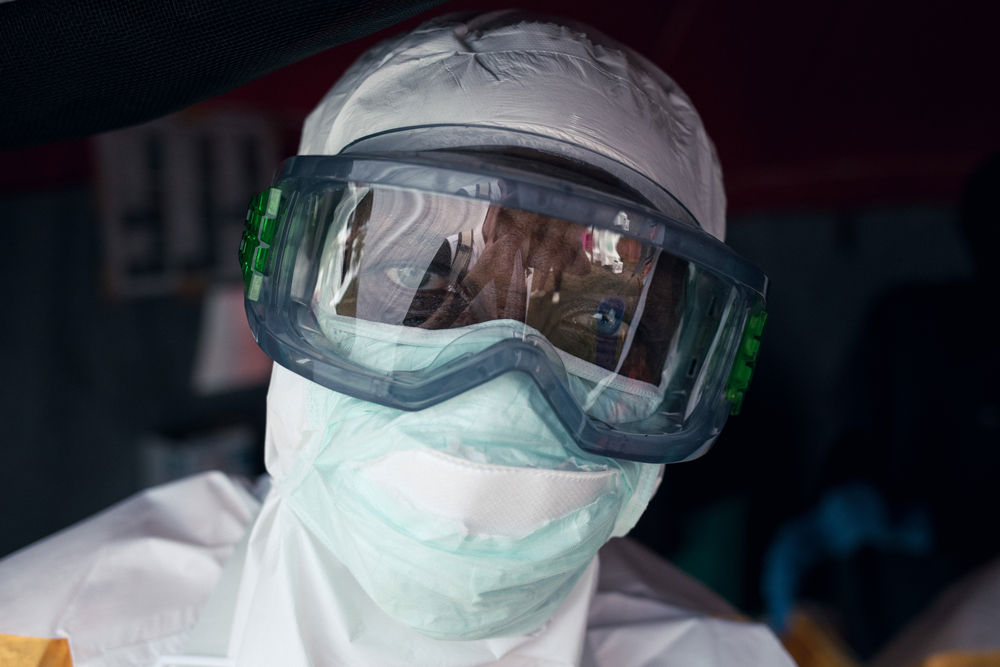
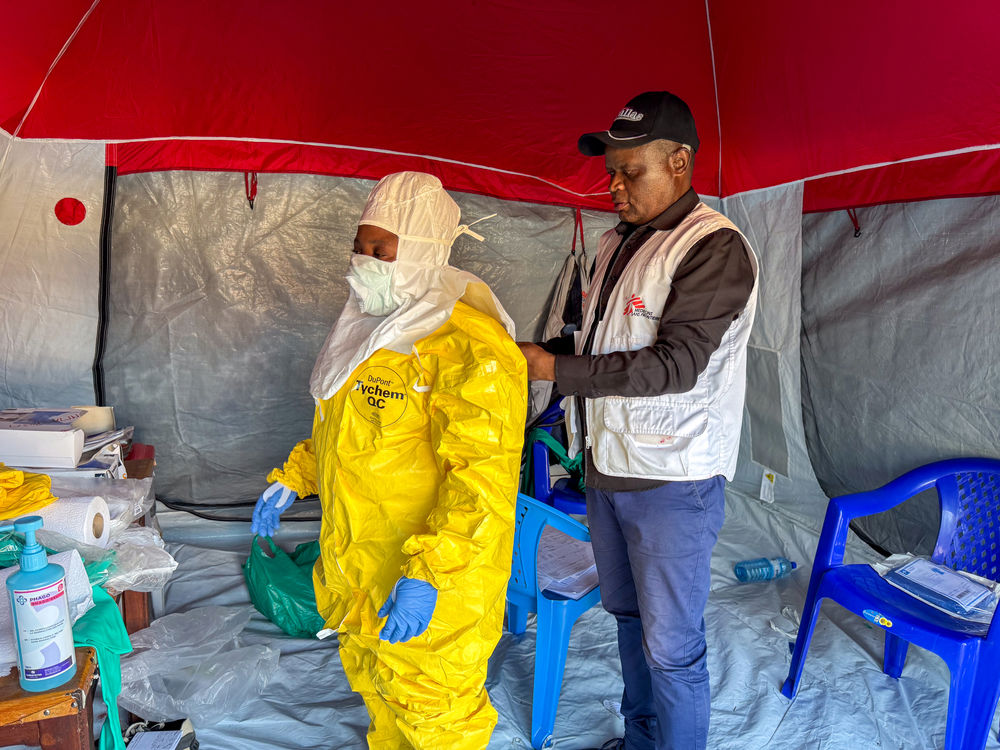
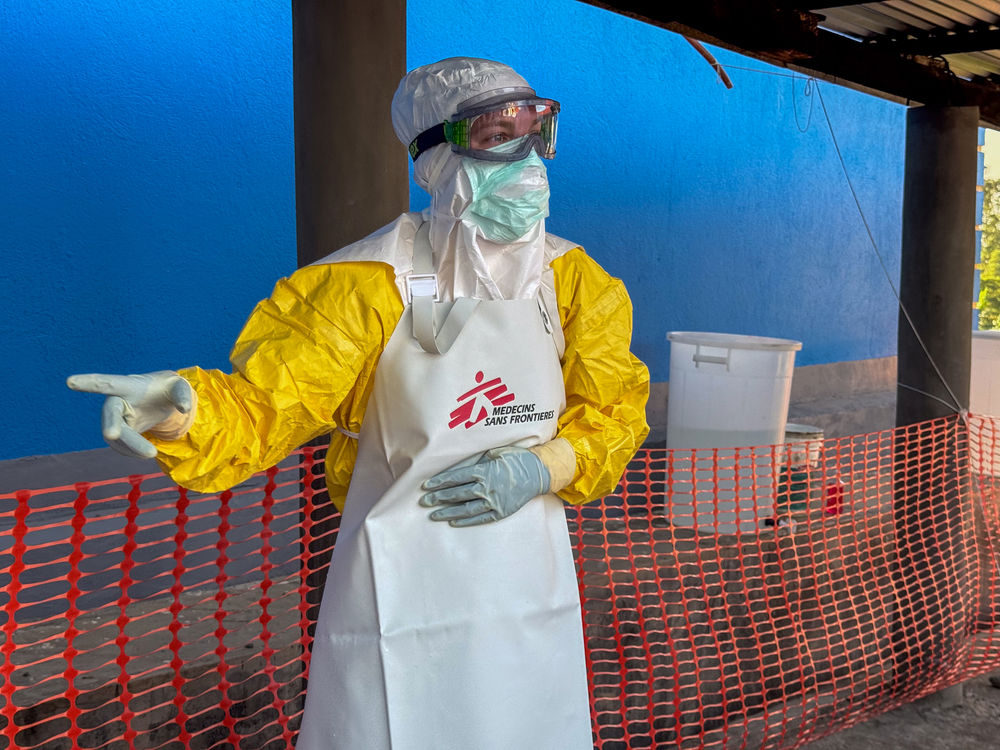
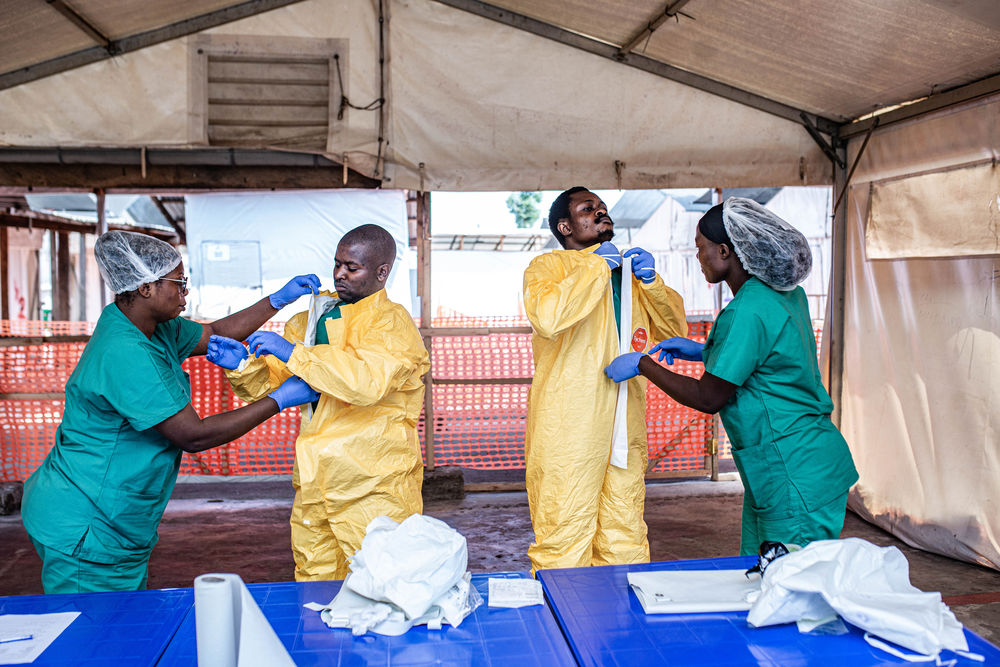
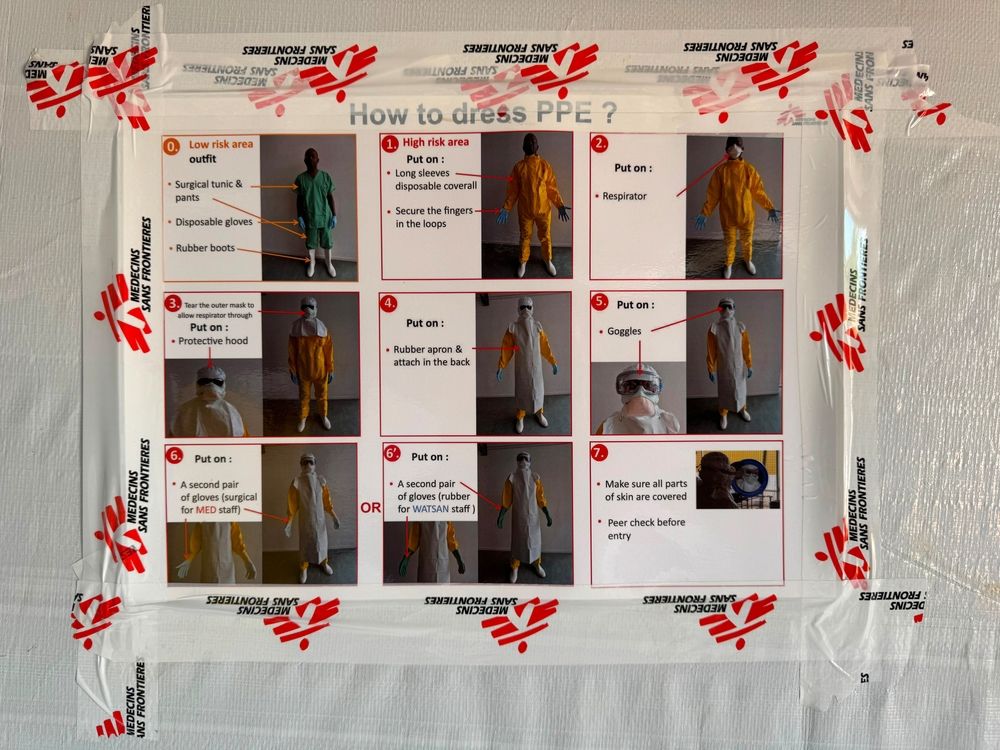
In addition to treatment, ETCs are designed to safely separate patient flows and implement strict infection prevention and control measures to protect both patients and healthcare workers. This including assisting them when putting on full personal protective equipment (PPE) in a designated area of the ETC.
The first patients were admitted MSF’s ETC in Goma on 28 May. MSF teams are preparing the centre to make sure it’s working at maximum efficiency to support its capacity of 80 patients.
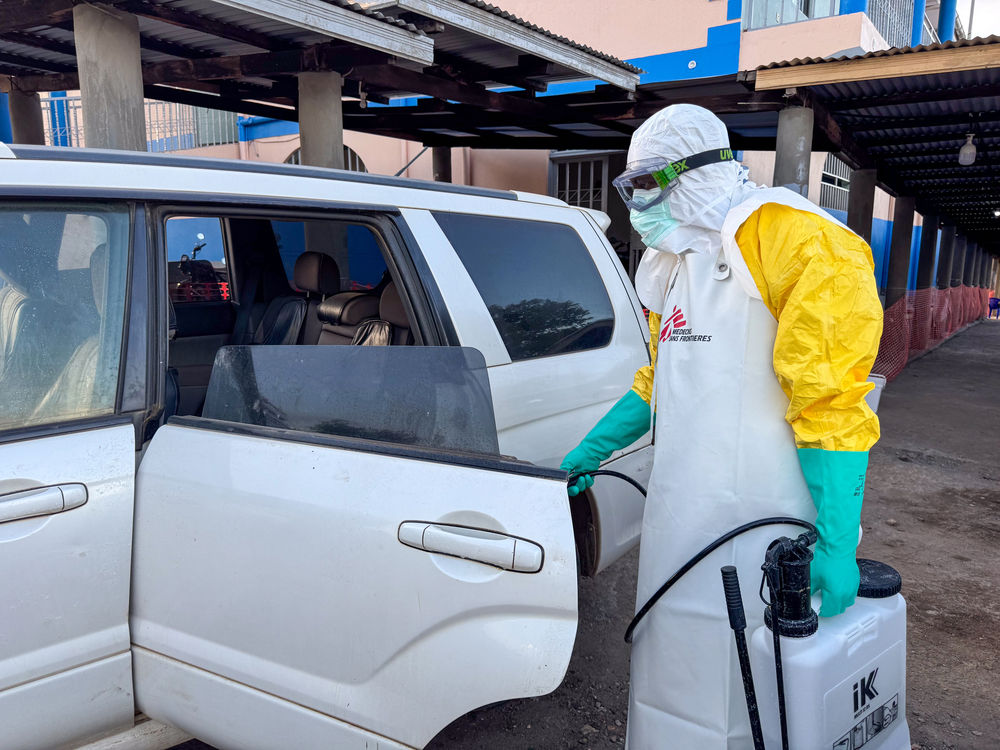
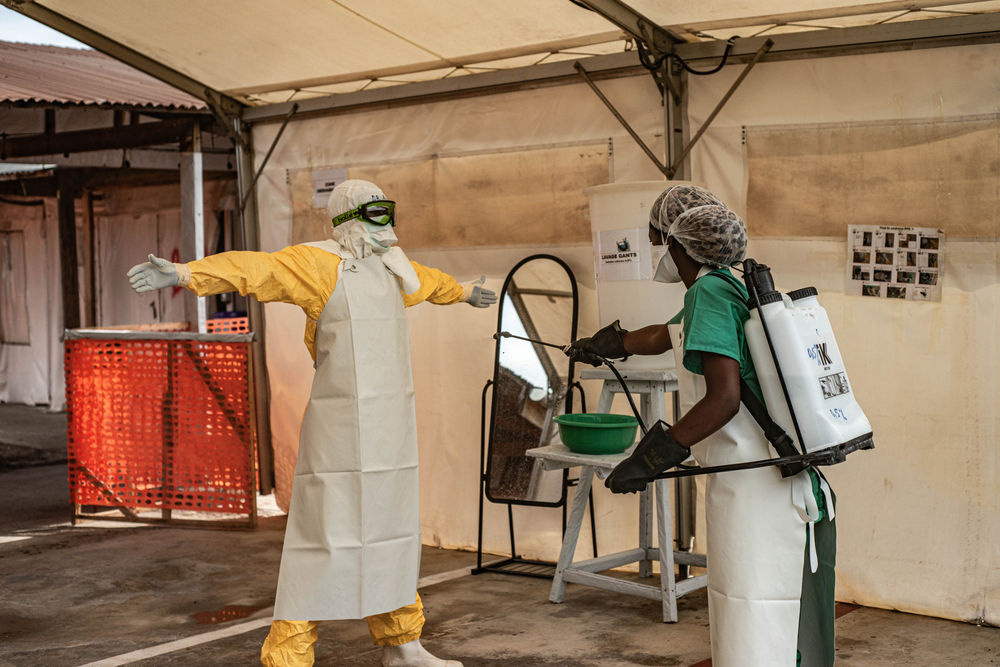
After receiving a patient with suspected Ebola disease, healthcare workers are assisted by colleagues with decontamination procedures, including disinfecting protective suits, boots, gloves, and goggles. The entire process follows strict infection prevention and control protocols to reduce the risk of contamination after exposure.
MSF teams are running a 52-bed ETC within the General Referral Hospital of Mongbwalu in Ituri province.
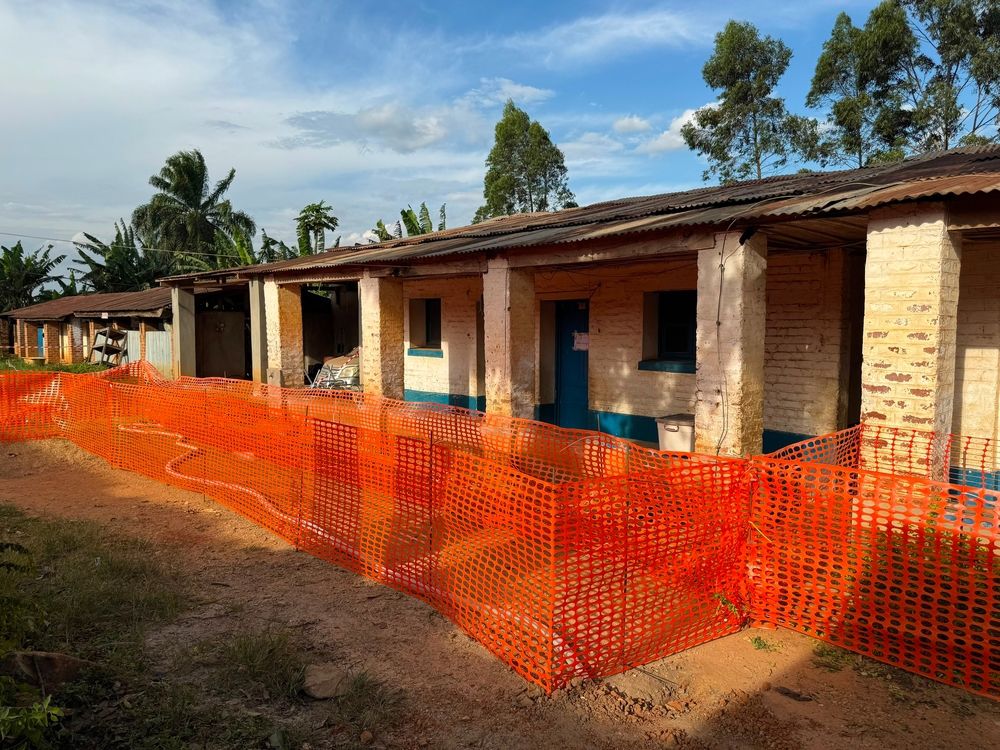
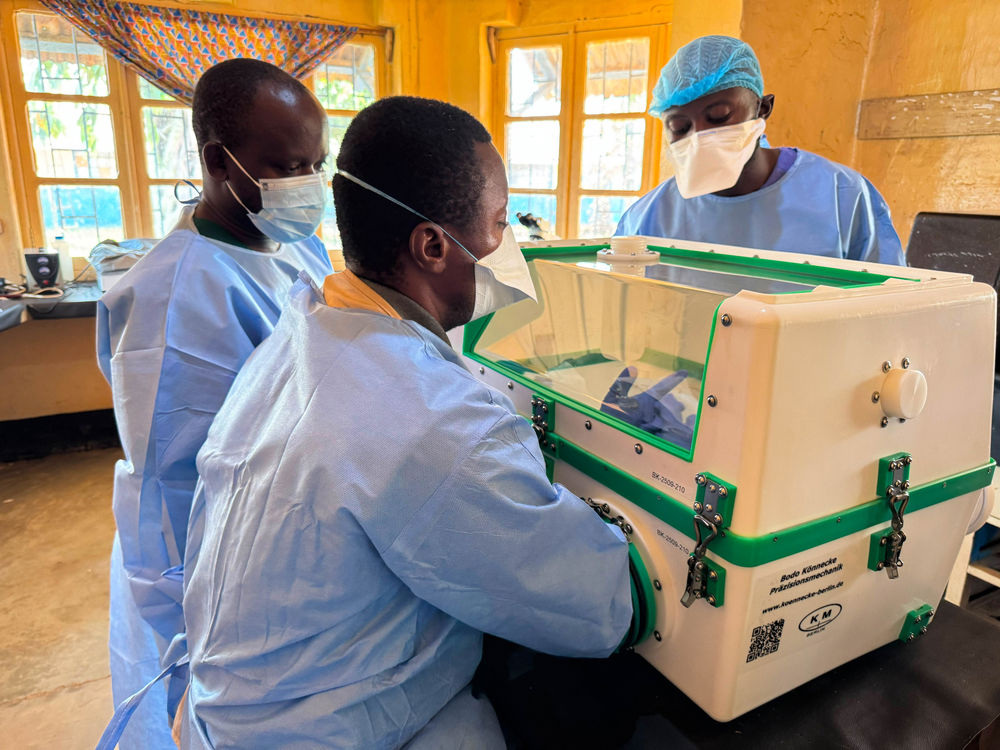
Improving local testing capacity is critical to enabling faster diagnosis and response. New equipment allows samples to be analysed locally, rather than being transported to Bunia, helping to reduce delays and strengthen the overall response.
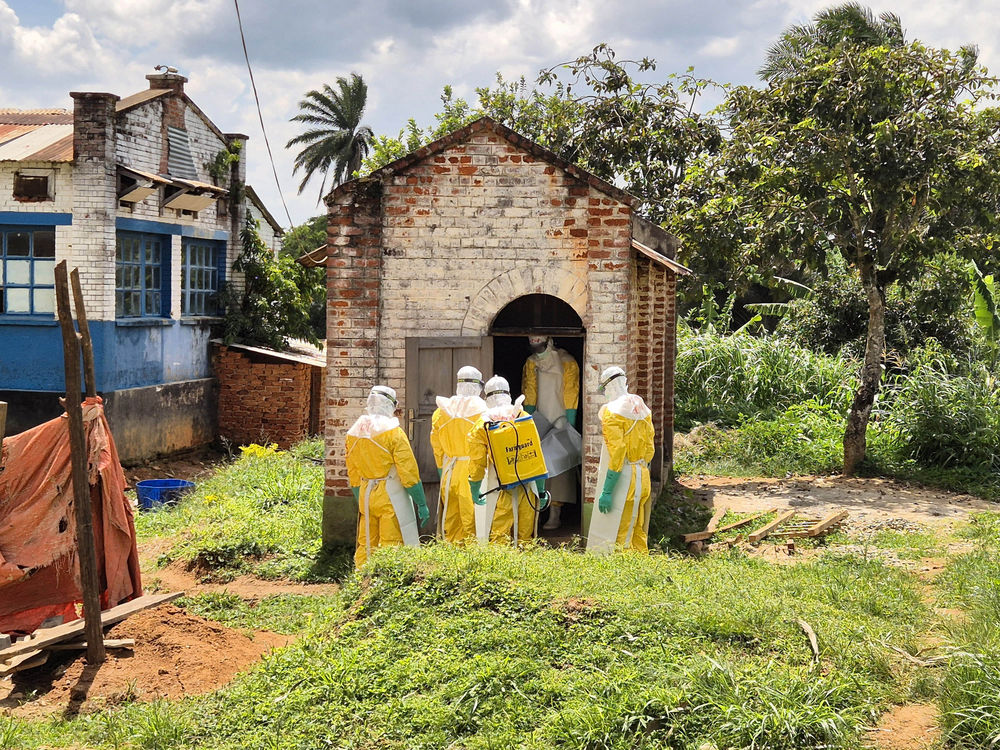
Safe and dignified burials are crucial for preventing further transmission of Ebola disease as the bodies of people who have died from the illness remain highly infectious.