
Author : Seinn Seinn Min : Deputy Project Coordinator , EGPAA , South Sudan
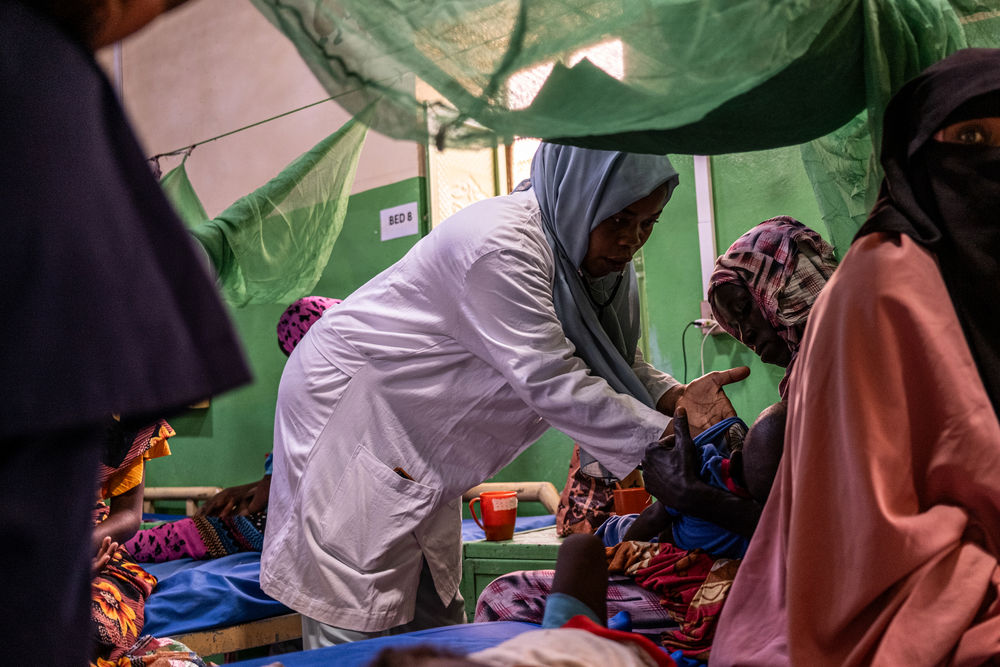
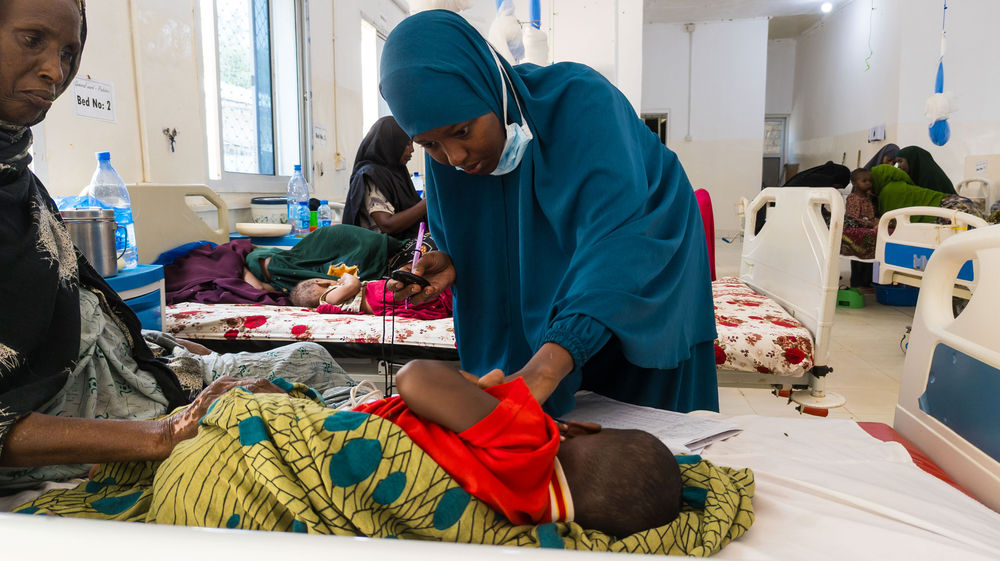
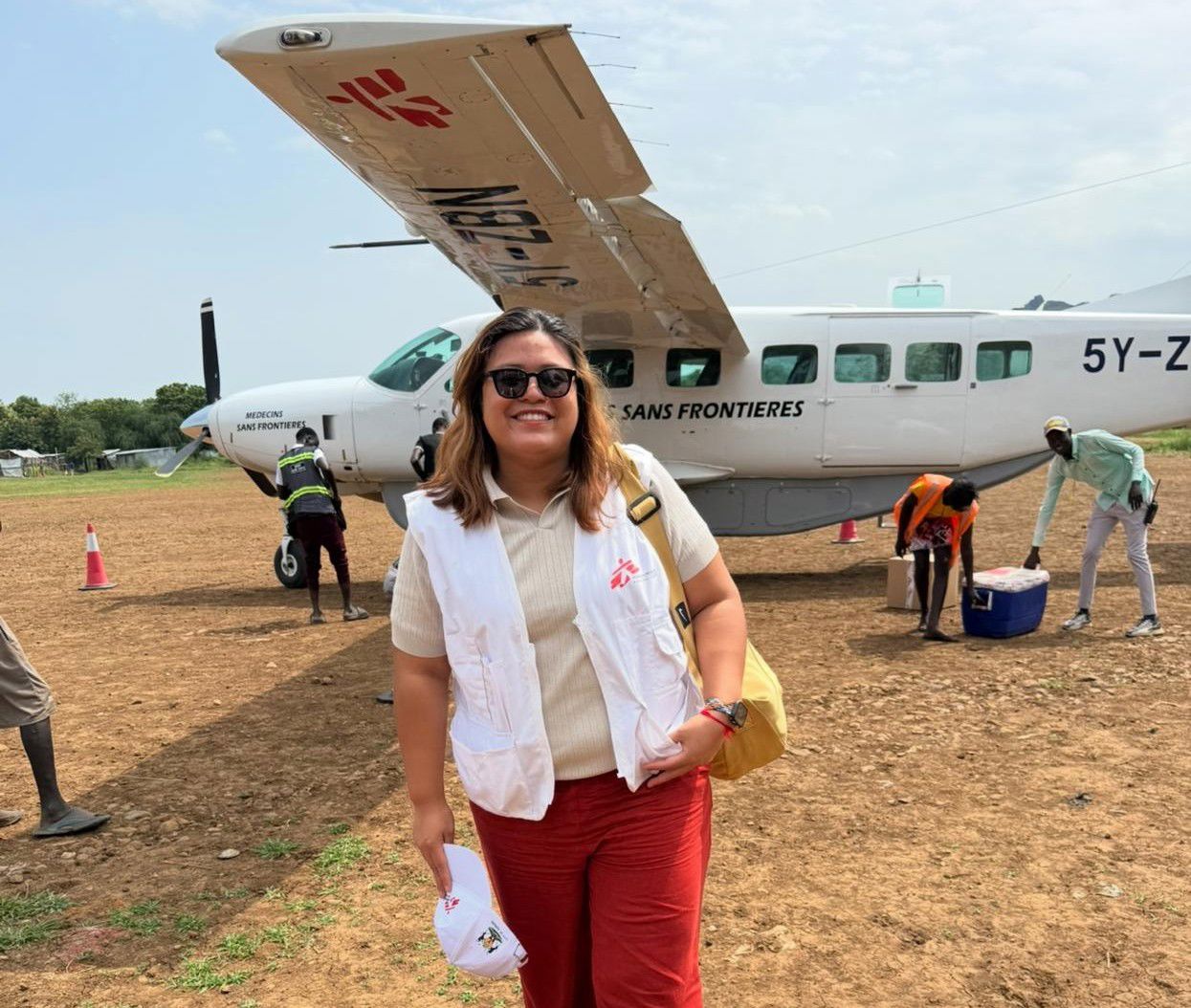
When I first landed in South Sudan four months ago, I didn’t imagine how much this mission would change me. I came here as Deputy Project Coordinator for the EGPAA project with MSF—EGPAA stands for Eastern Greater Pibor Administrative Area.Our project runs across two sites. In Maruwa, the team manages a primary health care unit along with maternity services. In Boma, where I am based, we provide secondary care paediatric OPD and IPD, health promotion, and environmental health activities. Together, the two locations cover a wide range of needs. On the map, Maruwa and Boma look close—just 50 to 60 kilometres apart. But here, distance is not measured in kilometres. With no roads, rivers to cross, and grass taller than you, the journey feels far longer than what the map suggests.
Although I’ve worked with MSF for years as an epidemiologist and health promotion manager, this is my very first time stepping into an operational role. Suddenly, I am responsible not only for medical activities, but also for HR, logistics, supply, safety, and security.
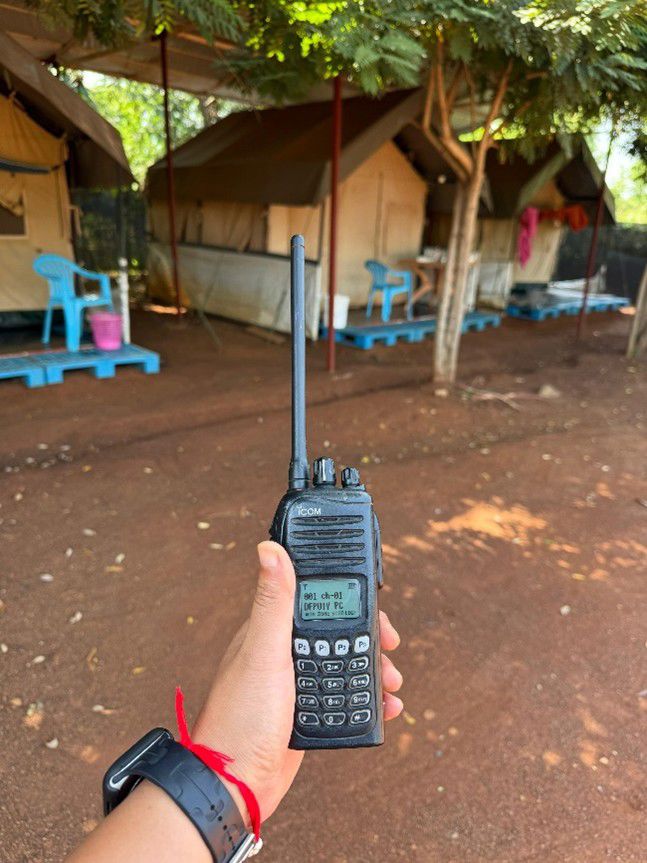
Life here doesn’t follow office hours. In the middle of the night, I keep my radio switched on so we can all stay connected across the compound. Sometimes, half-asleep, I think I’m dreaming—until the static crackles to life.
“Gate One watchman, calling Deputy Field Co…”
“Copy, this is Deputy Field Co. Go ahead.”
“Generator is down. Can you come?”
“Received. On my way.”
I rush out from my tent, not because I know how to fix a generator, but because I can hand over a car key so the team can use the car battery for a manual start with the generator or connect the right people in logistics. Here, the generator is not just a machine—it is life. It powers oxygen for children, protects the pharmacy’s cold chain, and carries the weight of survival.
Some moments cut so deeply they stay with you forever. I once had to arrange the burial of a child transferred from Maruwa who passed away in Boma.
The mother had arrived with her little one, full of hope but ended up losing her hope. She knew no one here—no family, no relatives—and there was no funeral. We had to hire daily workers to dig and bury her child. She handed over her scarf to cover the little one—the last act of love she could give. She came with a child. She left with empty arms. The memory of that loss, the lullaby never sung, and the love left behind—it is impossible to forget.
But there are brighter moments too.
One woman had been bleeding for a week in a cattle camp before she was brought to us. Blood donation here is complicated tied to cultural and tribal boundaries. Blood donations are meant for family members and one tribe rarely donates for another. For me, coming from Asia where blood drives are simple, this was difficult to grasp.
Thankfully, one of our local staff members was a match and donated. The woman survived and delivered healthy twins. Twins and triplets are common here. I often visit those babies when I need a reminder of why we are here. Their small breaths remind me of our bigger goal: to reduce suffering and save lives in places where healthcare is almost out of reach.
Outreach and mobile clinic here is like an adventure. There are no roads. We drive straight through grass, never knowing what lies beneath—mud, hidden rivers, or holes. For safety, we always travel with two vehicles—so if one gets stuck, the other can pull it out. Even with this precaution, every journey is a test of patience, skill, and resilience.
Our drivers are incredibly skilled, but I often think: how can we promote stronger health-seeking behaviour when reaching care itself is nearly impossible? Imagine being a pregnant woman, in labor, needing urgent help. Walking 50 km across rivers and mud is impossible. Sometimes volunteers from the village carry patients on stretchers, but reaching in time is never certain.That is why we train community health workers in villages, to treat malaria, diarrhea, and other illnesses close to home. This way , people don’t always have to face the impossible journey just to receive care.
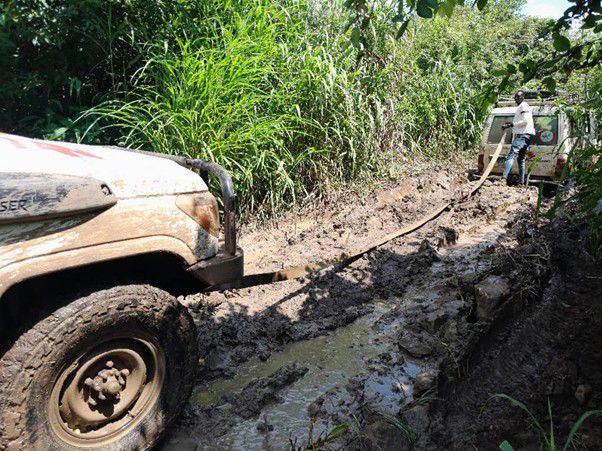
And still, challenges keep surprising us. Cars get stuck in the mud. Tractors brought in to rescue them sink too. During the rainy season, patient transfers are delayed for days. At times, the only option is to fly emergencies out on MSF planes or reaching out to other organization to do emergency patient referral with helicopter. Here, infrastructure alone could save countless lives. Sometimes I wish I could just build a road for them with my own hands.
Despite the hardships, every day teaches me something new—lessons no classroom could ever offer. What keeps me going are my colleagues and the patients: their quiet strength, their laughter, and their resilience in the face of so many challenges. As my mission slowly draws to a close, I find myself savouring each day more deeply. Every MSF journey leaves its mark, shaping me in ways I could never have imagined. I may not be able to change the world, but the world is quietly changing me—one moment, one story, one life at a time.
This is my journey—
SS in SS.