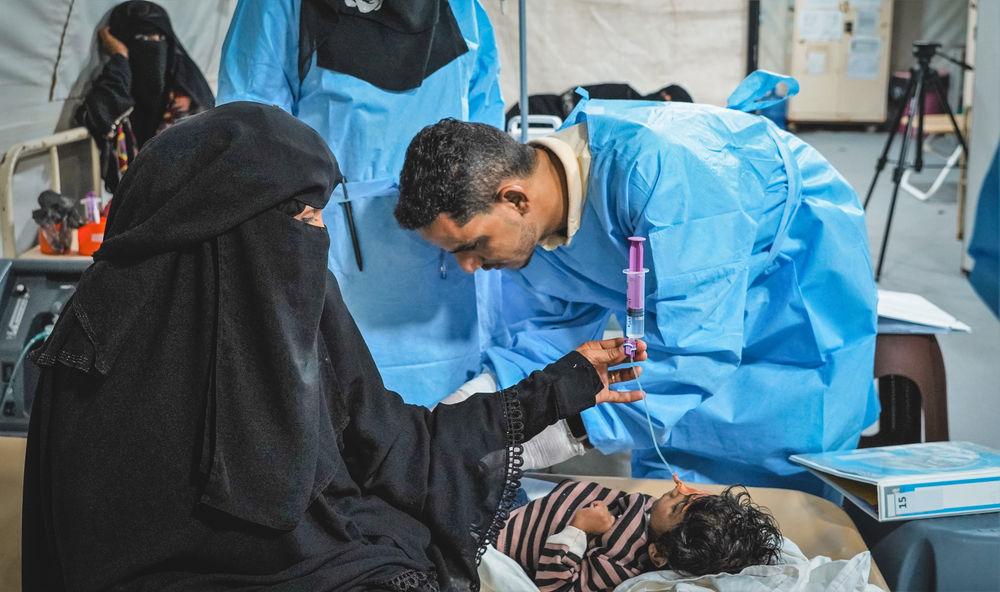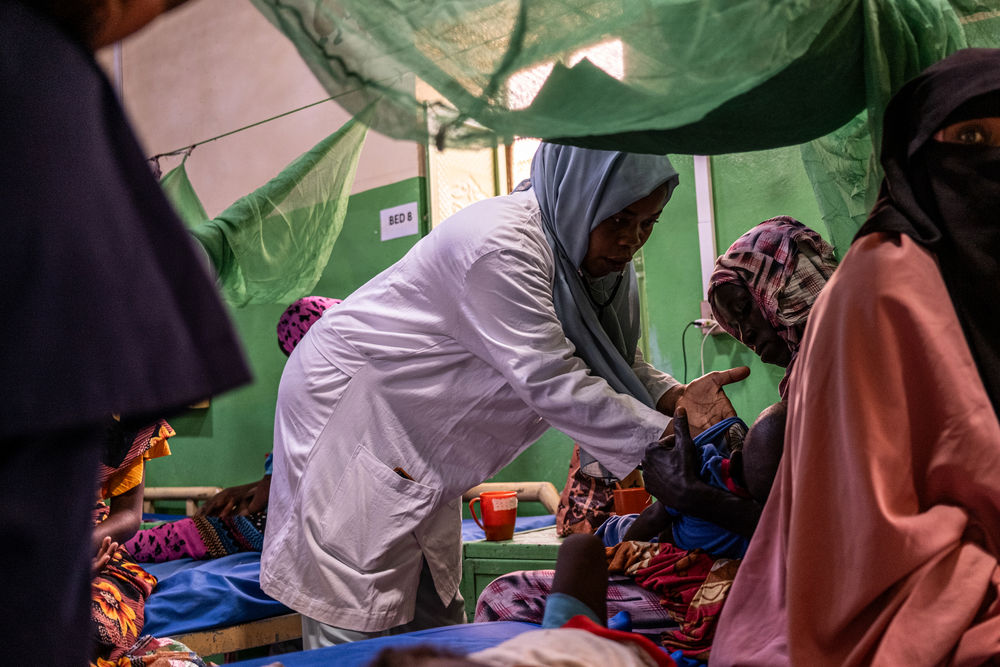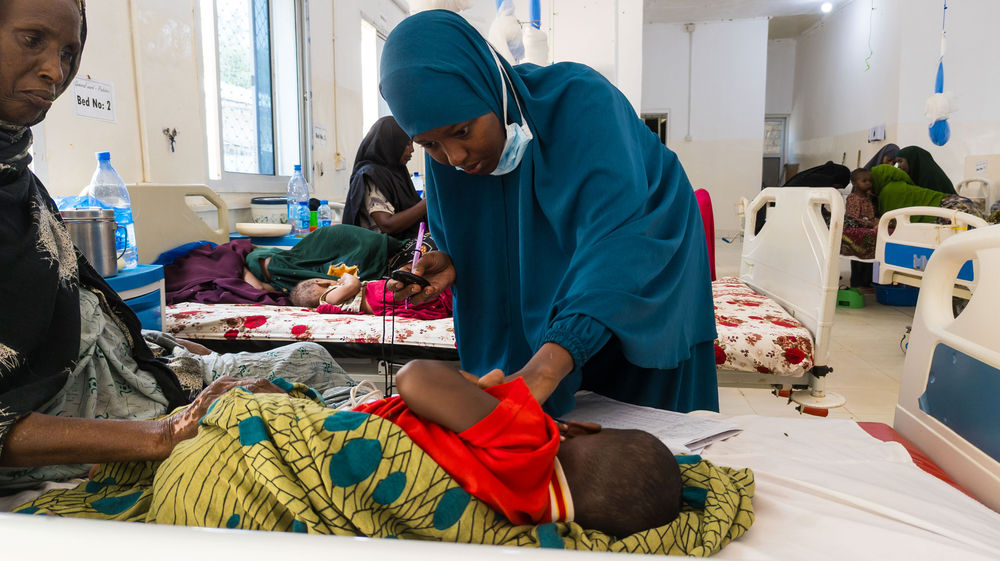

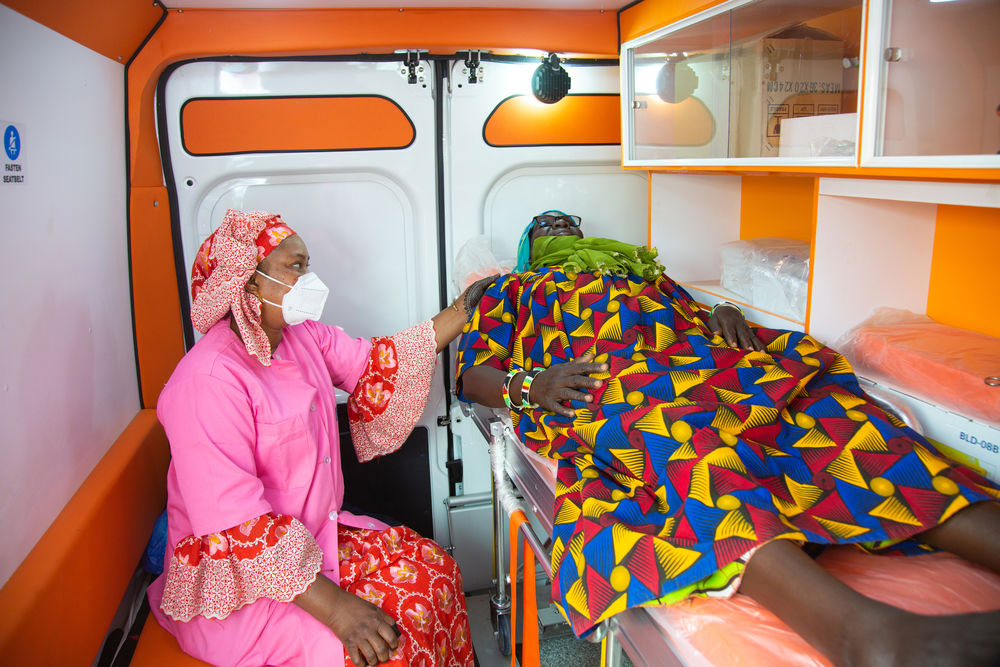
Cancer increasingly affects people living in fragile, humanitarian and low-resource settings. Yet delivering cancer care is still often considered too complex, specialised or resource-intensive in these contexts. Women in particular face multiple barriers to accessing care, including late diagnosis, disrupted health services, poverty, stigma, long and costly journeys to treatment centres, and limited treatment options. The challenges extend throughout the care pathway. Patients often encounter difficulties accessing diagnostics, essential medicines, radiotherapy and specialised healthcare workers. Health systems meanwhile face constraints in financing, procurement and workforce capacity. These are among the realities that MSF teams confront as they work to develop context-adapted models of cancer care that are patient-centred, multidisciplinary and supported by operational research and innovation.
Over the past decade, MSF has supported cancer care projects in countries including Malawi, Mali, Papua New Guinea, Kyrgyzstan, Eswatini and Zimbabwe. Building on decades of experience treating HIV-related cancers such as Kaposi's sarcoma, MSF has gradually expanded its work in breast and cervical cancer, two of the leading causes of cancer deaths among women in many countries where the organisation works.
Our activities cover different parts of the care pathway, from prevention and screening to diagnosis, treatment support, palliative care and psychosocial support, while working closely with national health systems. Our operational experience challenges assumptions about the feasibility of cancer care in resource-constrained settings, particularly for breast and cervical cancer.
Since 2018, MSF teams in Malawi have worked to improve access to cervical cancer screening, early diagnosis, treatment and palliative care.Malawi faces one of the world's highest cervical cancer mortality rates. The challenge is compounded by high HIV prevalence, as women living with HIV have a significantly increased risk of developing cervical cancer linked to human papillomavirus (HPV) infection.
To address these challenges, MSF supports cervical cancer screening using point-of-care HPV testing and provides treatment for women with pre-cancerous lesions through thermal ablation. For women diagnosed with invasive cervical cancer, MSF offers surgery, supportive care and palliative care, while strengthening referral pathways to ensure access to specialised treatment when required.
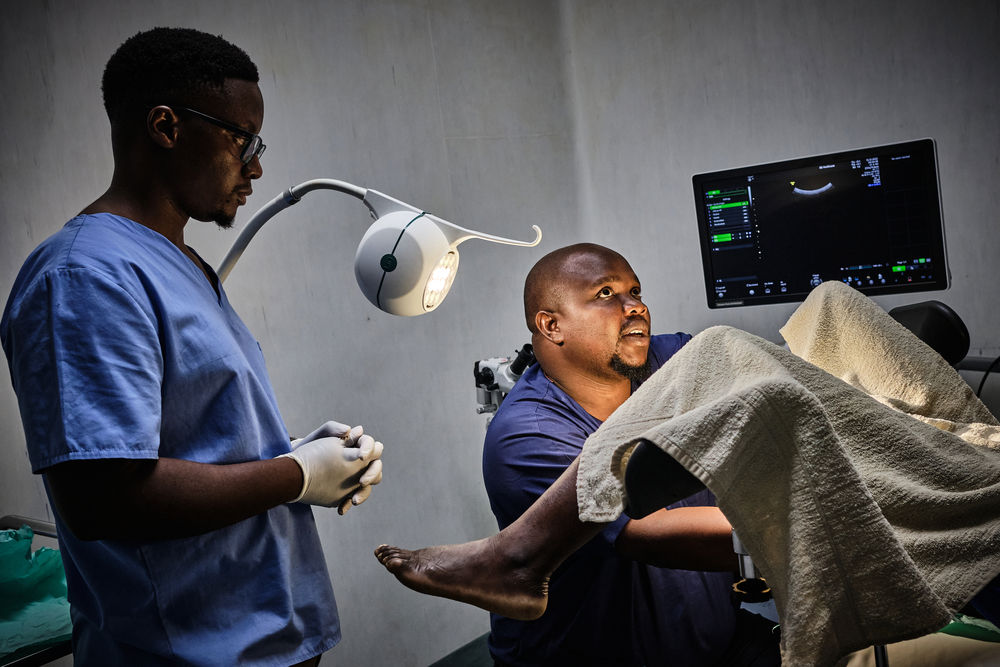
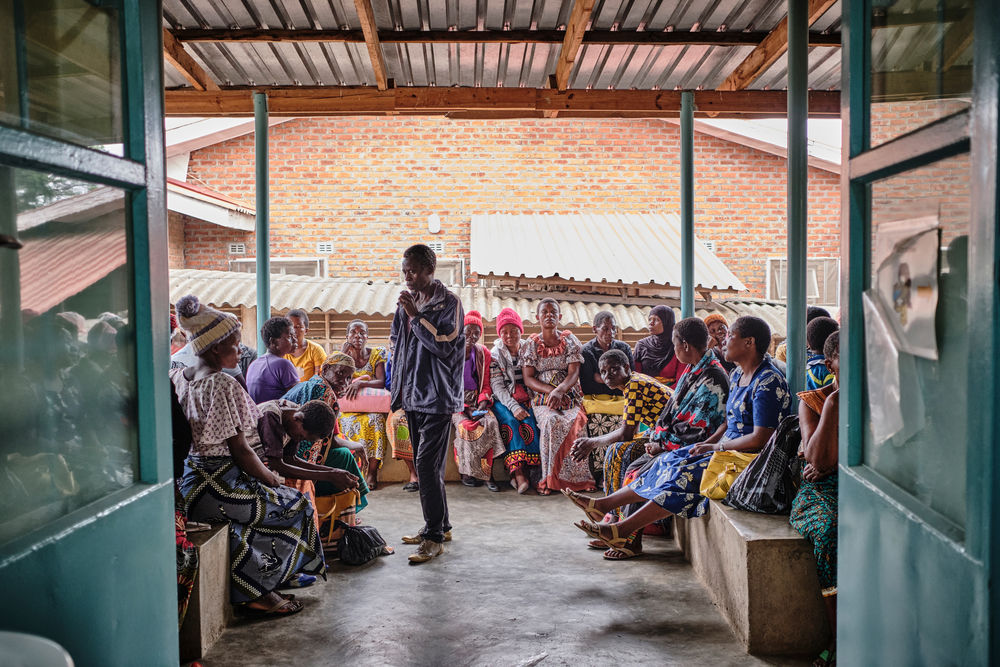
The programme extends beyond hospital-based services. Nurse-led initiatives at health centres have improved the feasibility of HPV-based screening and the early identification of pre-cancerous lesions. These efforts have contributed to significant progress. Coverage of cervical cancer screening in MSF-supported catchment areas increased from 40 per cent in 2019 to nearly 60 per cent in 2025 in Blantyre, while screening coverage in Chiradzulu rose from 39 per cent to more than 76 per cent over the same period. Between 2021 and 2025, MSF cared for 3,340 cervical cancer patients, carried out more than 1,000 interventions for pre-cancerous lesions, referred 249 patients for radiotherapy and provided nearly 8,800 palliative care consultations.
Alongside service delivery, MSF is also involved in operational research with academic partners to explore more effective and affordable screening approaches suitable for resource-limited settings.
In Mali, people living with cancer often face major obstacles in accessing diagnosis and treatment. For a population of around 22 million people, the country has only five oncologists and one radiotherapy unit. Access to pathology services is also limited, making timely diagnosis difficult.
Since 2018, MSF has worked with health authorities in Bamako to improve access to breast and cervical cancer care, including screening, diagnosis, treatment, palliative care and patient support.[SL9.1] One key innovation has been the creation of a liaison unit that helps patients navigate complex care pathways. The unit supports women through diagnosis, referrals and treatment, helping them overcome some of the practical barriers that often prevent patients from completing care.[SL10.1] MSF has also supported pathology services to improve access to timely diagnosis, while facilitating access to surgery, chemotherapy and radiotherapy.
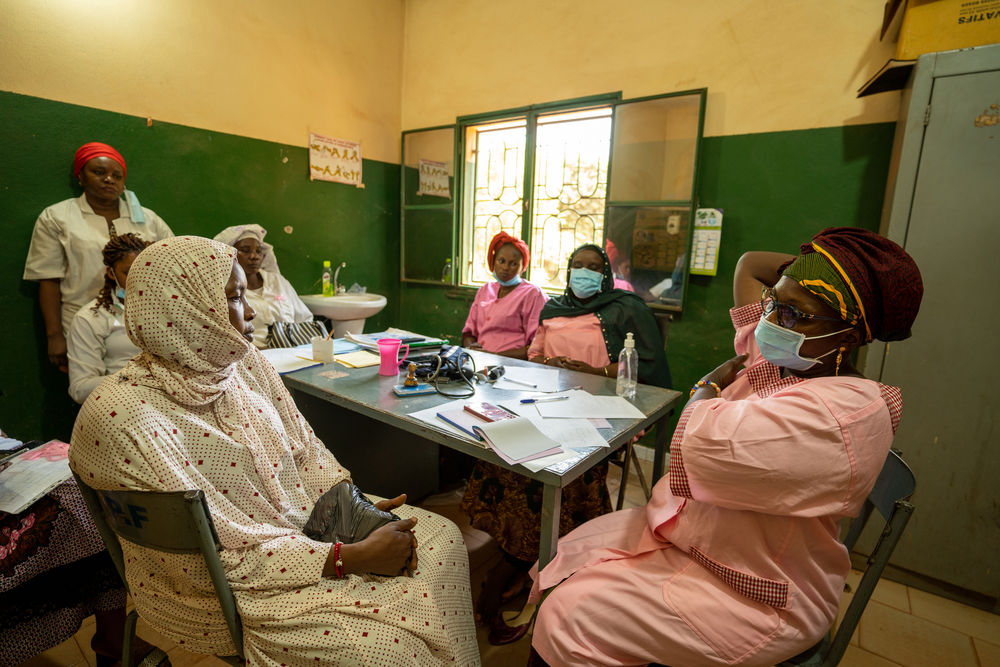
Despite ongoing security constraints, interruptions to radiotherapy services and other operational challenges, progress has been made. A retrospective study found that the proportion of women diagnosed with cervical cancer at an early stage doubled between 2019 and 2025, rising from 14 per cent to 28 per cent.
Between 2021 and 2025, MSF teams in Mali cared for 1,386 patients with breast cancer and 968 patients with cervical cancer. Alongside diagnosis and treatment, teams provided an average of 2,100 chemotherapy sessions each year, as well as 9,352 palliative care consultations and 1,793 home visits, highlighting the importance of continued support throughout a patient's care journey.[
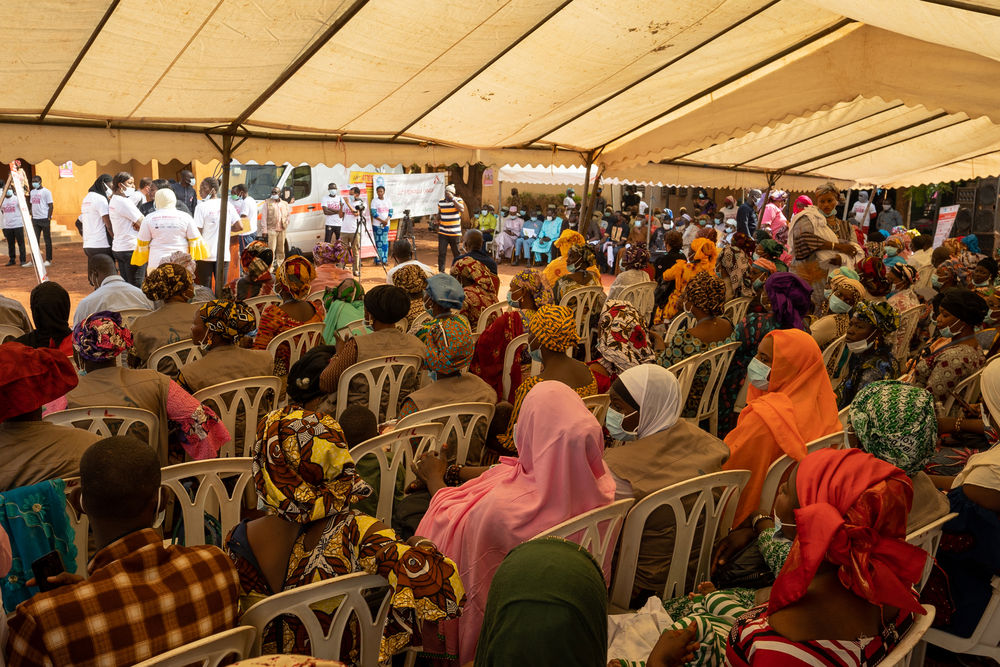
Cancer care remains out of reach for many people living in low-resource settings. But the experience of MSF's projects in Malawi and Mali suggests that this does not have to be the case. With adapted services, sustained support and stronger access to essential diagnostics and treatment, more patients can receive the care they need before it is too late.